Biopesticides have become a vital component of contemporary agricultural practices because their environmental and human health safety make them superior to chemical pesticides. The products are typically derived from natural materials that include microorganisms, plants, and specific minerals. Farmers worldwide are beginning to utilize biopesticides, which help them decrease soil pollution while safeguarding the natural environment.
-
Maintaining Stability and Shelf Life
The primary difficulty in biopesticide formulation development centers around product stability maintenance. Biopesticides contain living bacteria and fungi, which lose their effectiveness when they age. The microorganisms experience survival challenges because their performance depends on three factors, which are temperature, humidity, and storage conditions.
Scientists must design formulation systems that provide microorganism protection while ensuring their active status for extended durations. Farmers will distrust the product if it has a brief shelf life because they believe its effectiveness will diminish before they can use it. The primary research focus in biopesticide development centers on enhancing product stability through protective carriers and packaging systems and preservative agents.
-
Sensitivity to Environmental Conditions
Biopesticides demonstrate extreme reactions to environmental elements, which include sunlight, heat, and rainfall. The sun’s ultraviolet (UV) rays destroy many microbial pesticides within a short time. The product washing away through heavy rain before it contacts pests creates an identical problem.
Scientists need to create field-tested formulations that will endure all different environmental conditions because of this environmental sensitivity. Scientists frequently employ special coatings together with encapsulation technologies and protective ingredients.
-
Achieving Consistent Pest Control
The first challenge that bio-pesticides face in their field performance testing is to achieve reliable results. Chemical pesticides create fast effects that produce certain outcomes, but biopesticides require more time to develop their effects. The effectiveness of these solutions depends on both environmental factors and the existing number of pests.
Scientists must perform multiple tests on different formulations to determine their ability to effectively control specific pests while protecting beneficial organisms. Researchers need to conduct multiple studies that test various methods until they determine the correct concentration, delivery system, and application timing. Farmers will delay their adoption of biological pest control methods because they need to see stable results before they will stop using chemical pesticides.
-
Large-Scale Production Difficulties
The commercial production of biopesticides on a large scale presents multiple challenges. The production of most biopesticides requires scientists to grow specific microorganisms, which include bacteria, fungi, and viruses, within specialized growth facilities. The process needs expensive resources to maintain both quality standards and product purity during the scaling process.
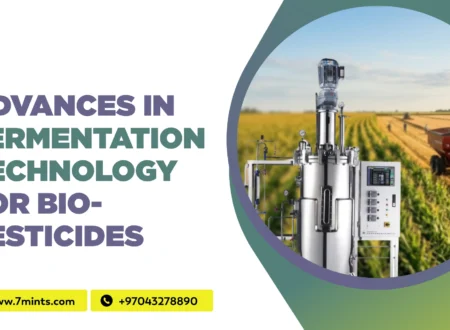
To achieve affordable biopesticide production, scientists and manufacturers need to create effective fermentation methods and production processes. The production process creates the potential for contamination, which leads to decreased product quality and effectiveness. The successful commercialization process for products needs manufacturers to implement strict quality control measures throughout their large-scale production activities. Check out our latest blog post on How Bio-Pesticides Reduce Water Contamination in UAE
-
Formulation Compatibility and Application Methods
Bio-pesticides must work with current agricultural methods and their corresponding machinery. The formulation needs to create water-soluble components that maintain their properties throughout the spraying process because farmers use sprayers and irrigation systems to distribute pesticides. Certain bio-pesticides will create equipment blockages because their combination with specific chemicals results in diminished product performance.
Scientists develop agricultural formulations that enable farmers to use their products together with fertilizers and integrated pest management methods. The product requires precise carrier and surfactant and additive selection to prevent any negative impact on its biological components.
- Regulatory and Approval Challenges
Biopesticides require multiple regulatory tests before they can enter commercial distribution. Governments need comprehensive product evaluations that determine whether the product poses any danger to humans, animals, crops, and the natural environment. The approval process requires many years to complete and demands substantial financial resources, despite the value of these regulations.
Conclusion
Biopesticides present an effective solution that promotes sustainable farming practices and provides environmentally safe methods of controlling pests. Scientific research and real-world implementations need to overcome multiple obstacles before developing successful products. Contact us as the process becomes challenging because of multiple factors, which include product stability, environmental responsiveness, production at a commercial scale, and obtaining official permissions.
Scientists are developing better biopesticide formulations through their research and technological breakthroughs despite the existing challenges they face. The development of biopesticides into a dependable and widely adopted substitute for chemical pesticides will enable safer agricultural practices and healthier ecosystem protection in the coming years.