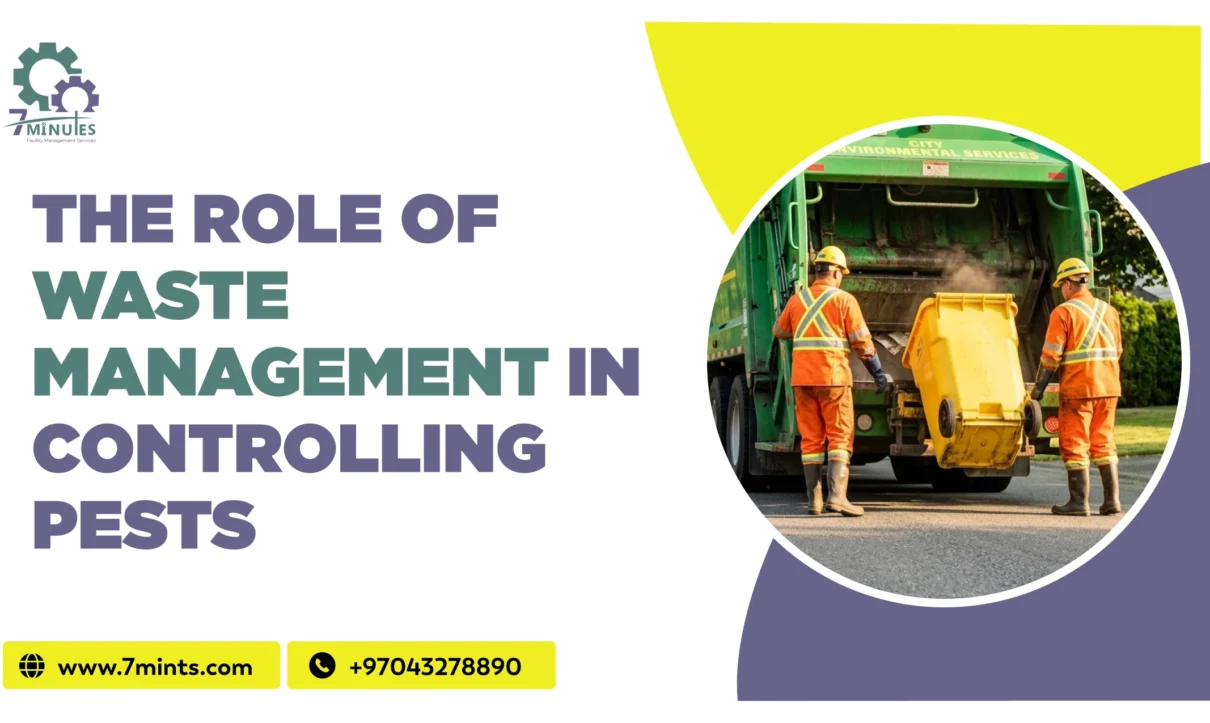
The process of waste management serves as a fundamental component that establishes public health protection while ensuring clean environments. The improper handling of garbage leads to the creation of environments that attract numerous pests, including rats and cockroaches, flies, and mosquitoes. The pests require food, water, and shelter, which they typically discover in areas where waste remains uncollected. The accumulation of waste material results in rapid pest population growth, which becomes unmanageable. Therefore, waste management needs to function effectively to stop pest infestations while maintaining safe and hygienic conditions.
How Poor Waste Management Attracts Pests
The practice of poor waste management establishes conditions that make it easy for pests to enter controlled spaces. The open garbage bins and the lack of routine waste disposal create situations where pests can easily access food materials. Pests find optimal feeding conditions in leftover food, organic waste, and decomposing materials.
Food waste in garbage piles serves as an attraction for rats and cockroaches because these pests feed on organic matter. The pests establish their settlement area next to the waste site after discovering a dependable food supply. The population of pests increases until it reaches nearby residences and commercial and institutional structures. The connection between inadequate waste disposal methods and the creation of major pest problems explains why these two factors are linked.
Reducing Food Sources for Pests
The elimination of pet food access stands as one of the best methods for pest control. The management of waste needs to establish procedures that create sealed storage containers for food waste and eliminate waste materials promptly. The presence of accessible food accumulation makes it easier for pests to establish themselves in an area and reproduce there.
The use of tightly sealed garbage bins stops ants and cockroaches from accessing waste materials through the entry points of garbage bins. The routine process of collecting garbage helps stop waste accumulation, which creates conditions that draw in pests. The organization of waste management operations enables the system to function effectively through its operations.
Preventing Pest Breeding Grounds
Many pests find their best breeding places when people dispose of waste incorrectly. Pests find their best breeding conditions when organic waste and wet garbage create areas with stagnant water. Waste sites create dangerous conditions because they enable pests to multiply and infest nearby areas.
Flies and mosquitoes find breeding sites in garbage piles and wet waste because they need moist and dirty environments to lay their eggs. After the eggs hatch, pests start to multiply at a fast rate during the first few days. The development of breeding sites can be stopped through proper waste segregation and drainage systems, together with scheduled cleaning operations for waste areas.
Improving Sanitation and Public Health
Effective waste management systems lead to better sanitation results while they protect public health by stopping harmful pests from entering communities. Many pests carry bacteria and pathogens that can spread serious diseases to humans. The increase in pest populations directly leads to higher chances of diseases spreading to humans.
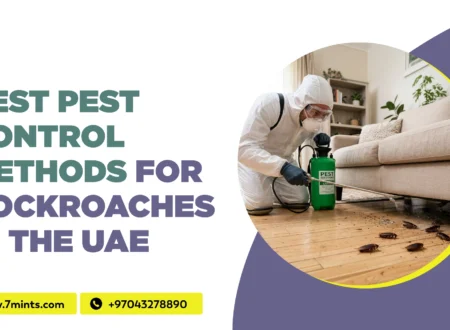
Rats transmit the leptospirosis disease through their contaminated urine and feces, which they spread on surfaces and through water. Mosquitoes transmit harmful diseases, which include dengue and malaria, to humans. The proper disposal of waste helps communities in two ways because it decreases pest populations and creates a safer environment. Check out our latest blog post on Best Pest Control Methods for Cockroaches in the UAE.
Supporting Integrated Pest Management (IPM)
Integrated pest management and other modern pest control methods see waste management as an important part of the process. This method prevents pest infestations through environmental control methods that do not depend on chemical solutions. The best approach to handling pest problems needs to start with prevention because it works better and promotes long-term pest control.
The proper management of waste causes pest control because pests lose their food sources and their sheltering areas. The use of pesticides needs to remain below safe levels because pest populations will stay small. This approach enables the protection of human health and environmental resources while allowing permanent pest management.
Practical Waste Management Tips to Prevent Pests
The implementation of basic waste management techniques establishes an effective method for controlling pest populations. All garbage bins should have secure lids that prevent pests from accessing the contained waste materials. The placement of this single element dramatically decreases the attraction of pests that exist around residential areas and commercial buildings.
The second step requires people to throw away their waste materials on a scheduled basis, which stops waste from building up in one area. The third step requires people to divide organic waste from other trash materials, which must be properly disposed of or composted. Waste storage locations require regular cleaning, drying, and maintenance to protect against pest infestations, which require suitable breeding grounds.
Conclusion
Waste management serves as the primary method to keep homes and public spaces free from pest infestations. The waste disposal process eliminates food sources and breeding sites, which pests use to survive. Contact us as pests deem it extremely difficult to live and breed when waste management systems treat all waste materials responsibly.
People who practice proper waste management will experience a decrease in rat, cockroach, and mosquito infestations. The process keeps the environment clean while it protects public health by reducing exposure to diseases carried by pests. To achieve a safe and healthy environment that has no pests, waste management needs to be performed in an effective way.