


Construction projects use MEP commissioning as an established and systematic course of action to ensure mechanical, electrical, and plumbing systems work as intended. New buildings contain highly complicated and interconnected MEP systems, so teams cannot simply check them; they must occupy the building only after testing and certifying the systems. Even when commissioned systems appear to function, they may still fail to deliver the intended efficiency, comfort, and safety
When teams raise the issue of a building’s post-occupancy energy evaluation, they invariably uncover numerous installation errors in air conditioning, power, and plumbing, along with user dissatisfaction. MEP commissioning acts as a root cause analysis technique that identifies barriers to building performance in time and ensures systems operate fully before the client takes possession of the building.
In this article, we will dive into MEP commissioning, elaborating on its importance, extent, parties involved, steps, and benefits. Understanding this process will help the construction team (including the owners, architects, and engineers) to make sure that the building is not only safe but also energy-efficient and durable.
What Is MEP Commissioning?’
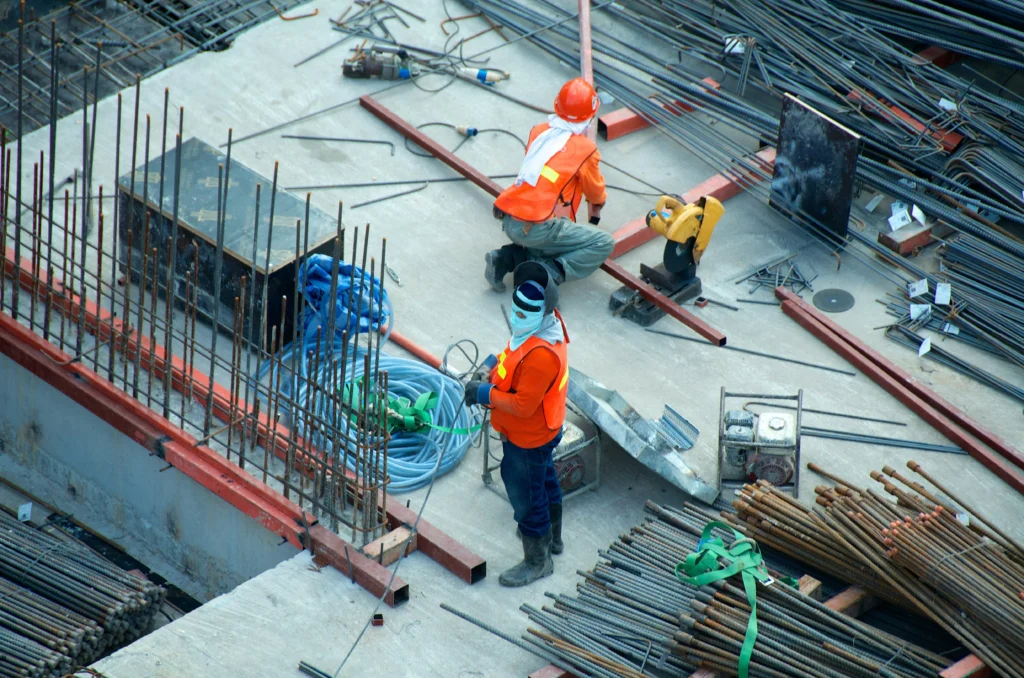
MEP commissioning refers to the activities that cover all steps from design through to construction of the mechanical, electrical, and plumbing systems in the building, such that they operate in compliance with the performance specifications. It is a much wider process than mere acceptance testing, since it is set in the new construction project owners’ minds even before the actual project takes place.
The purpose of commissioning is to make sure that different systems behave as a single unified system. An example of such interaction is the communication between HVAC systems and electrical controls, sensors, and automation logic that should be precise. If the systems are not properly coordinated, the building may still have performance issues, but installation of the individual components will not be the reason for that.
To put it simply, MEP commissioning is the answer to the question if the building actually performs in the manner it was claimed. It is a guarantee that the systems will work with reliability, efficiency, and safety after the building is occupied.
The Role of MEP Commissioning
-
Guarantees the right System Performance
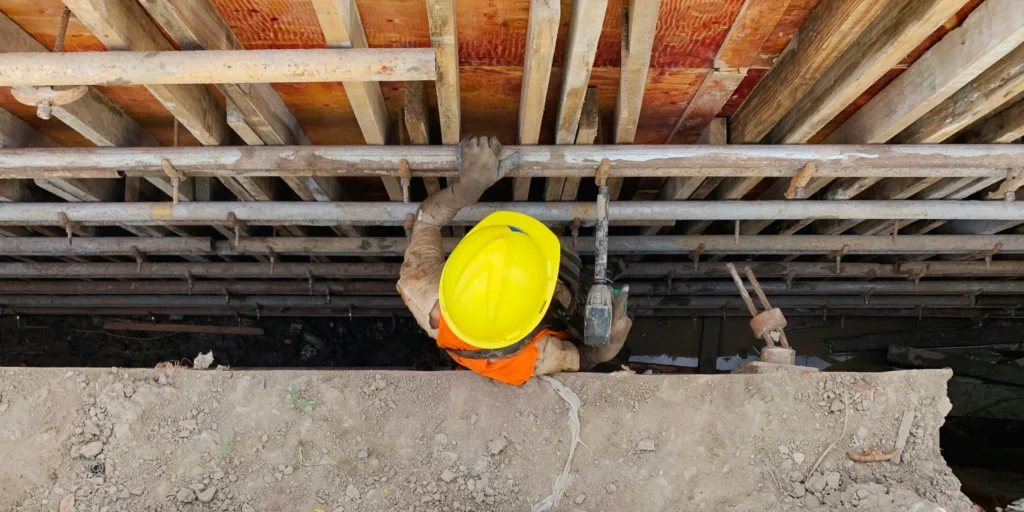
The MEP systems in the building take care of the heating, cooling, lighting, power supply, and water distribution. Commissioning ensures proper operation at their designed capacity and consistent performance even under varying load conditions. It confirms airflow rates, electrical loads, temperature controls, and water pressure levels.
In the absence of commissioning, systems might operate at a fraction of their capacity but then fail during peak or adverse weather conditions. Commissioning teams test systems under conditions that closely resemble real life. This process helps them discover hidden defects that installation alone might miss.
-
Enhancement of Energy Efficiency
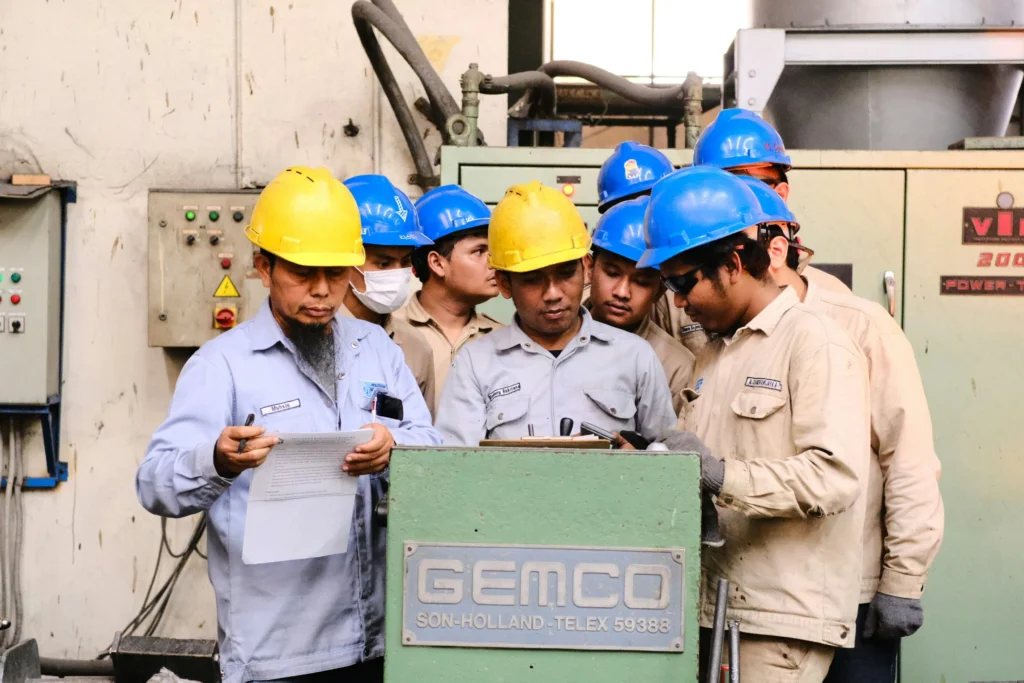
Designers of present-day buildings prioritize energy efficiency. Improperly commissioned systems often generate huge energy bills. Commissioning teams first examine a system and its components—HVAC units, lighting systems, pumps, and controls—and then perform the process correctly to prevent energy waste. They check scheduling, automation logic, and sensor accuracy to ensure optimal performance.
Over time, even minor setup mistakes can result in considerable energy waste. However, commissioning not only detects these problems at an early stage but also guarantees that the systems run on the best settings. As the cost of energy continues to increase and the requirements for sustainability are becoming more stringent, commissioning becomes a major factor in the reduction of operating costs for the long term.
-
Elevates the Comfort of the Occupants

The comfort of the occupants largely depends on the stable indoor temperature, the quality of air, and the reliability of utilities. Through commissioning, HVAC systems are capable of delivering even cooling and heating throughout the entire building. Furthermore, the system periodically checks that the ventilation system is supplying enough fresh air circulation.
4. Guarantees Safety and Compliance
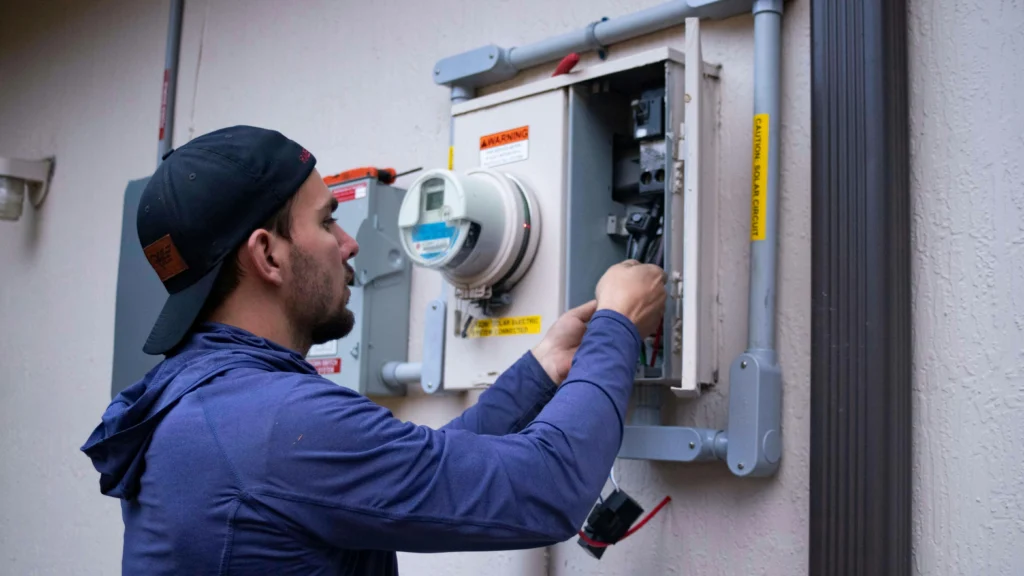
Various safety measures, such as fire alarms, smoke extraction, emergency lighting, and backup electricity, must be in perfect working order during emergencies. Besides, commissioning ensures that these systems are functioning correctly and under simulated emergency conditions. It also makes sure that the alarms are activated promptly and the emergency power systems operate without any failure.
Conformance to regulations is a major issue that causes a lot of concern. The process of commissioning helps to verify that the systems follow the local building codes, safety rules, and environmental regulations.
Systems Included in MEP Commissioning
Plumbing Systems
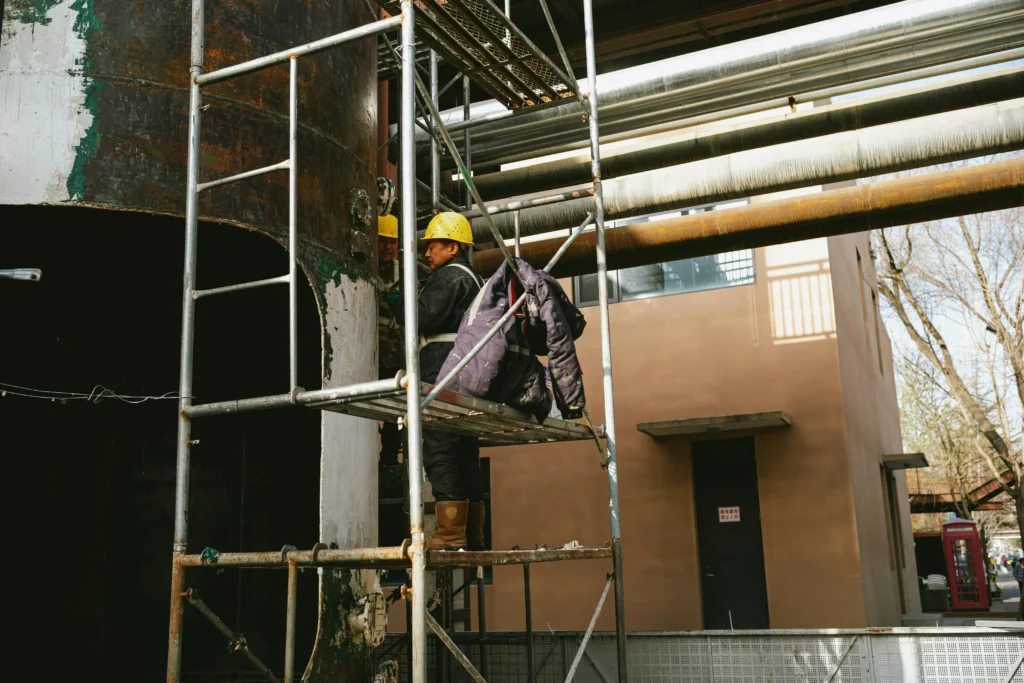
Plumbing commissioning is a process that assures the installation and functionality of water supply, drainage, and wastewater systems according to the design specifications.
A variety of plumbing systems, including those dispensing fire sprinklers, water treatment units, and sewage systems, form part of the plumbing commissioning. Proving the reliability of such systems is not only a condition for compliance but also a big factor in safety and hygiene. Check out our latest blog post on Basic Role of MEP Engineers in Building Construction,
Stages of MEP Commissioning
-
Pre-Design Stage
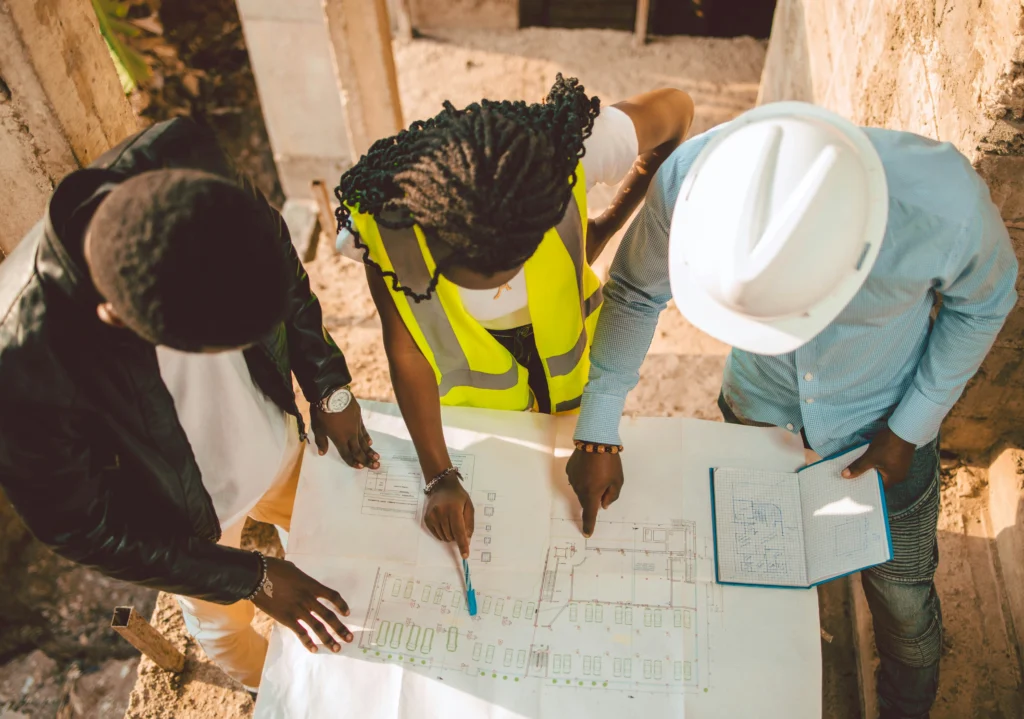
The pre-design stage can very well be termed the ground base for the entire MEP commissioning process. The first step of this stage consists in giving a clear definition to the owner’s project requirements (OPR), thereby stipulating the areas where performance, energy efficiency, safety, and maintenance are to the highest standards. Those requirements will be like the fruit that the project will bear throughout the different stages of the activity, feeding designers, contractors, and commissioning professionals with their constant demand for quality.
At this point in the project, teams decide the goals and scope of commissioning. They assign responsibilities for commissioning specific systems and determine the level of testing required. Early planning integrates commissioning into the project schedule and budget, ensuring it receives proper attention and resources.
Design Review Stage

At the design review stage, commissioning agents thoroughly examine the MEP drawings, associated calculations, and specifications. They confirm that the designs meet the owner’s project requirements and remain feasible for operation and maintenance. After the initial review, teams submit the MEP drawings with corrections for design inconsistencies and coordination problems.
The main areas considered within this review are the sizing of the system, the control strategies, the accessibility for maintenance, and the whole energy efficiency aspect. Systems that are badly designed can, however, successfully operate for a time but eventually not deliver their full performance. That’s why commissioning through the design stage is there to help.
The design review stage is where problems are caught at their source and, hence, less expensive changes can be made during the construction process. It also makes the mechanical, electrical, and plumbing systems more interoperable, thus making on-site operations easier and more efficient.
Construction Stage
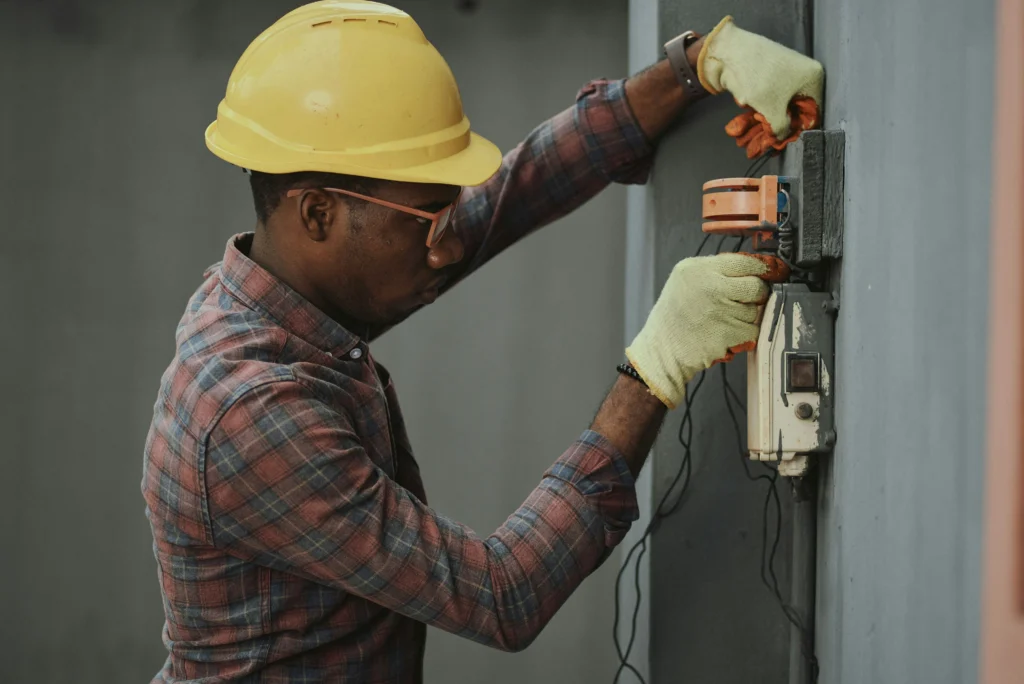
The commissioning activities in the construction stage target the verification of the MEP systems’ compliance with the installation of the approved drawings and specifications. Teams perform site inspections to verify correct equipment placement, pipe routing, wiring connections, and overall workmanship. They record and rectify any differences between design and installation.
Labeling, supporting, and making all system components maintenance accessible are assured in this stage. Improper installation of even minor components can bring about a negative impact on the system’s total performance. If such a problem is faced at that stage, the testing process is not delayed and goes smoothly after the resolution.
Handover and Training Stage

The package contains everything from test reports to as-built drawings, operation manuals, and maintenance schedules. These are the documents that the facility management teams will use for their long-term reference. A properly conducted handover means that the transition from construction to operation is smooth. It keeps the system performance and efficiency throughout the building’s entire lifecycle.
Conclusion
MEP commissioning is a systematic and critical process that guarantees building systems are energy-efficient, safe, and trustworthy. Working through plumbing systems to the final handover, every phase carries out a vital function in the high-quality building delivery.
A meticulous commissioning process facilitates project teams in preventing operational failures, reducing energy use, and enhancing the comfort of the people occupying the space. Besides, it contributes to the owner’s protection against the investment by decreasing the costs for long-term maintenance and repairs. Contact us as In present-day buildings, MEP commissioning is still subject to the need for making buildings eco-friendly and high-performance ones; it would be just a waste of money.




1 Comment
Comments are closed.