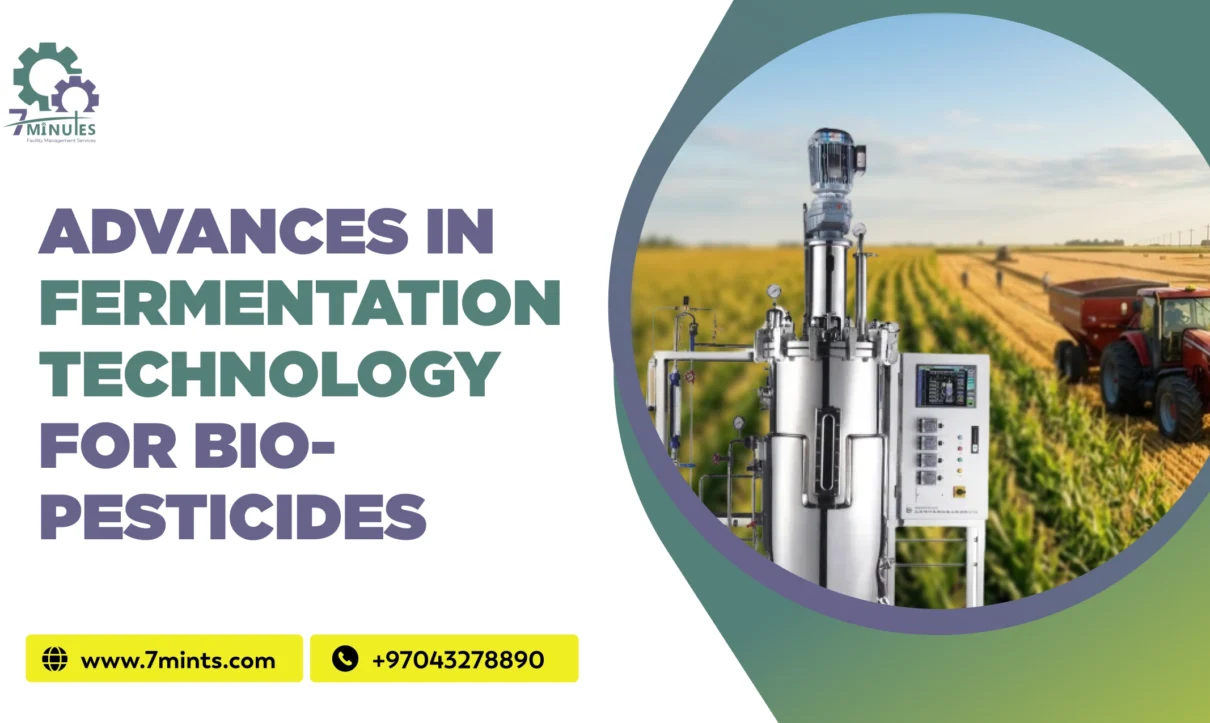
The rising alarm about chemical pesticide dangers to both the environment and human health has driven researchers to study biopesticides as viable solutions. These environmentally friendly alternatives, which exist as natural organisms, receive operational enhancements through advanced fermentation technology. The blog examines current fermentation technology developments that transform biopesticide production methods to create environmentally sustainable agricultural solutions.
-
Understanding Bio-Pesticides and Fermentation Technology
The categories of these substances include microorganisms, which include bacteria and fungi; viruses; and natural compounds that originate from plants and animals. The fermentation process enables researchers to grow these microorganisms or manufacture bioactive compounds in industrial quantities. The conventional use of fermentation dedicated itself to manufacturing antibiotics, alcoholic beverages, and various other products, but recent technological breakthroughs revealed new applications for fermentation in biopesticide production.
The development of better fermentation technology enables better bio-pesticide production through higher yield levels and greater product uniformity. Scientists use optimization techniques to control nutrient media, temperature, and fermentation duration, which enables them to produce large amounts of effective biopesticides without needing dangerous synthetic chemicals.
-
Improved Strain Selection and Genetic Engineering
The fermentation industry has made its greatest progress through developments that have enhanced microbial strains that produce biopesticides. Genetic engineering plays a vital role here. The scientists utilize genetic modification techniques to create microorganisms that possess stronger capabilities for controlling pests.
The bacterium Bacillus thuringiensis functions as a common biological pesticide that scientists can genetically modify to enhance its insect-killing power or to expand its ability to combat different types of pests. The engineered strains maintain their performance across multiple fermentation environments, which results in increased production levels and effective pest management.
-
Automation and Process Control for Scalable Production
The fermentation industry received another major advancement through the development of automated systems, which handle fermentation operations. The present-day process control systems enable operators to track and manage essential factors, which include pH levels and temperature control, oxygen concentration, and nutrient distribution. The systems guarantee operational efficiency during the fermentation process, which leads to optimal microorganism development and maximum bioactive compound output.
Automation has led to better production results because it has decreased human mistakes and established standardized procedures that support larger-scale production operations for biopesticide manufacturing. The automated fermentation systems enable biopesticide manufacturers to produce large quantities because these systems eliminate the need for manual operations, which allows companies to satisfy their customers’ increasing demand for environmentally friendly farming products.
-
Microencapsulation for Enhanced Stability and Delivery
Bio-pesticides face two main problems because their products have short shelf lives and their performance depends on heat, light, and moisture environmental conditions. Microencapsulation technology functions as a solution that operates within the fermentation process. The process requires a protective coating that surrounds bio-pesticide active ingredients, which protects them from degradation while maintaining their stability during storage and transportation.
Microencapsulation enables biopesticide active ingredients to be released in a controlled manner, which allows efficient delivery to the targeted pests. The biopesticide application needs less frequent use because this method increases its effectiveness for farmers while decreasing their costs.
-
Sustainable Raw Materials and Waste Reduction
Bio-pesticide production needs sustainable raw materials, which serve as a fermentation base, because these materials determine the production process of bio-pesticides. Fermentation traditionally used agricultural by-products and synthetic chemicals to create nutrient media. The present fermentation technology now develops sustainable production methods that harness organic waste and renewable resources instead of synthetic materials.
Contemporary fermentation methods emphasize two main goals, which include reducing waste and recycling by-product materials. The fermentation process generates residue, which serves as biofertilizer and animal feed, thus establishing a circular economy system that reduces waste and environmental damage. The sustainable agricultural method matches current market demand for eco-friendly practices while it strengthens the future role of biopesticides in modern agriculture. Check out our latest blog post on CRISPR and the Future of Biological Pest Control
-
Real-Time Monitoring and Data-Driven Innovations
Data analytics and real-time monitoring systems work together with the fermentation process to create smarter and more efficient fermentation operations. Scientists can create better bio-pesticide production methods by monitoring fermentation conditions and microbial performance because they can modify production parameters during active system operation.
Fermentation process outcomes become predictable through advanced analytics tools, which include machine learning and artificial intelligence, while these tools assist in developing new biopesticides. Manufacturers use these technologies to conduct their operations based on data, which results in higher efficiency, better product quality, and consistent output while decreasing expenses.
-
Regulatory and Market Outlook
Biopesticides have gained market success because consumers now demand environmentally friendly agricultural products. Global regulatory authorities are developing positive attitudes toward biopesticide usage by creating simplified product approval methods that apply to products that fulfill safety and environmental requirements. The future of biopesticide production depends on fermentation technology development because it enables companies to create products that satisfy both regulatory requirements and maintain safety and effectiveness and international market pricing standards.
The demand for biopesticides will increase because organic farming becomes more popular and sustainable food production methods gain traction. As consumers become more conscious of the impact of chemical pesticides on their health and the environment, biopesticides will likely play a key role in shaping the future of agriculture.
Conclusion: A Promising Future for Bio-Pesticides
Worldwide housing demand exists because population growth establishes a primary relationship that determines housing requirements. Cities need to build additional residential units and enhance their infrastructure systems when their population numbers increase. The housing system needs proper planning because proper housing management enables economic development while protecting against housing shortages and controlling property costs.
The three parties that need to collaborate include government agencies, property developers, and city design experts to build enough homes that will match the needs of growing populations. Contact us as the housing requirements of increasing populations can be met when cities concentrate on developing budget-friendly housing options through building sustainable communities and constructing environmentally friendly buildings.
The relationship between population growth and housing demand needs to be studied because it will lead to better urban design, which will provide future generations with improved living conditions.