

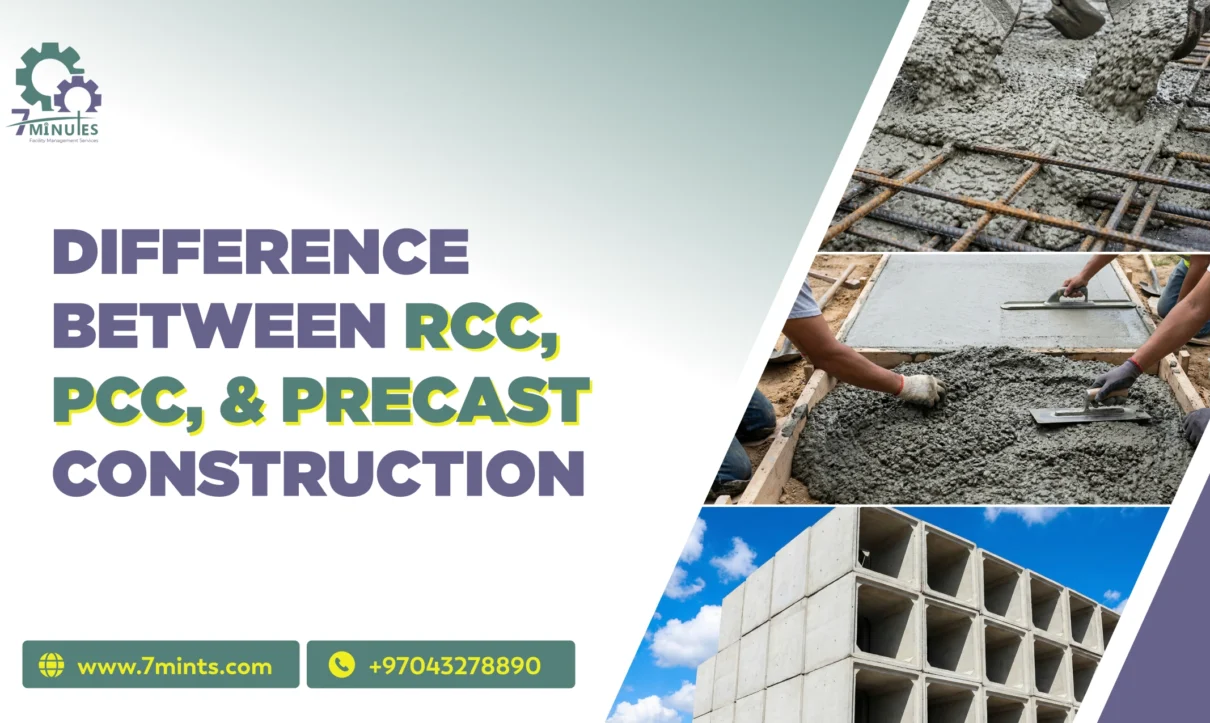
When it comes to building, the comprehension of differences among different methods is important for making the setting of right decisions. Plain Cement Concrete (PCC), Reinforced Cement Concrete (RCC), and Precast Construction are among the methods that are most commonly seen together in the construction process. Each one has its own properties and bonuses that fit them to different ends.
This blog will clarify the discrepancies between these methods and help you to make up your mind about which one is the best, depending on your project’s requirements.
So, what actually is PCC (Plain Cement Concrete)?
Definition
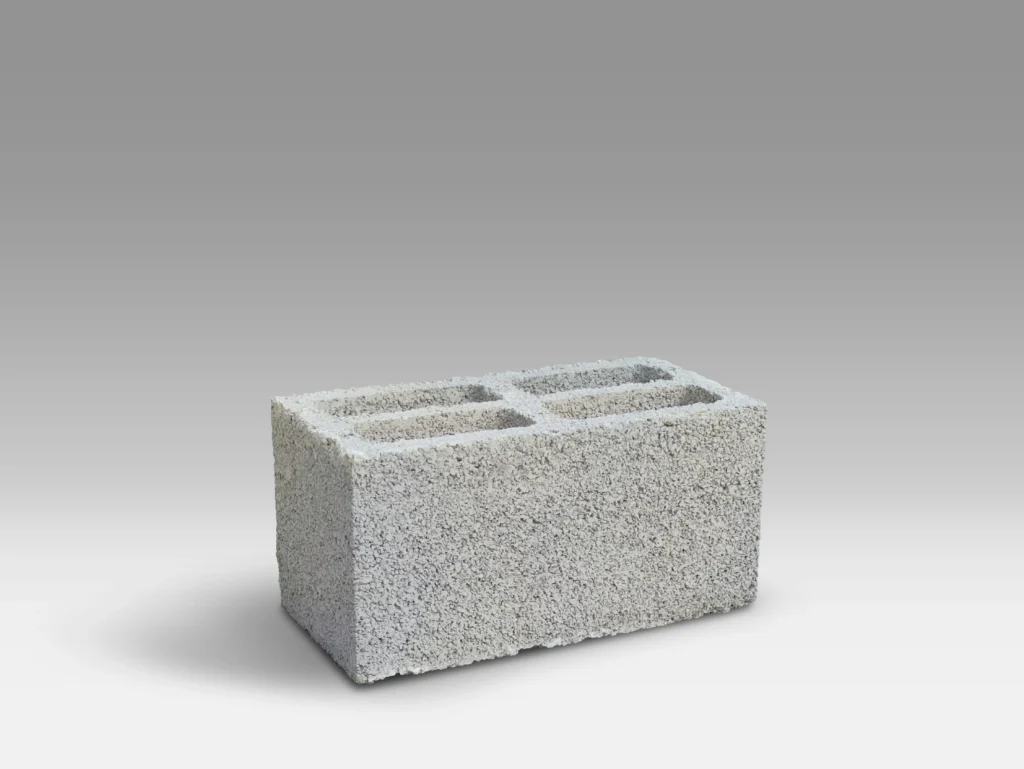
Plain Cement Concrete (PCC) is nothing more than a very basic form of concrete, which at the same time does not have any support in terms of steel. It is usually designated for non-structural applications where the very strengths of high or tension-withstanding qualities in place are not desirable. While being non-reinforced, PCC is not as strong as reinforced concrete; however, it is a simple and economical solution for several constructions.
Materials Used
PCC consists of simple and cheap materials that are limited to simple cement, sand, coarse aggregates, and water. Cement is the main bonding agent, whereas sand takes the place of the void, and aggregates build the volume of the mixture. Water is a must for the cement’s chemical reaction to complete, and hence, hard concrete is made. Since there is no steel made available for the reinforcement, the material is considered to be non-reinforced.
Where PCC Is Used
The use of PCC is mainly as a base layer in the foundation to provide a smooth and even surface for building further. It is also very often used in making floors and leveling beds and roads in places where the strength of the structure is not important.
As a further use, PCC is frequently placed below the reinforced concrete structures as an underneath layer that negates moisture coming from the soil below and gives a firm base to the above structures.
Advantages of PCC
One major benefit of PCC is its low cost since it is simple and does not require any reinforcement, making it non-structural work. It grants a level and smooth surface, which is very necessary for the foundations and laying floors.
PCC also functions as a moisture barrier; thus, Mother Nature cannot penetrate water, and this is a great advantage, especially in foundation and ground-level applications.
Limitations of PCC
On the downside, the lack of reinforcement disqualifies PCC from being used in the structural applications of tensile strength since it cannot support tension. Being free of steel, it can also crack more easily in cases of heavy load or stress.
Moreover, its limit of strength makes it unfit for very high-load-bearing applications like the structural parts of buildings and infrastructures, i.e., beams, columns, or slabs.
What is RCC (Reinforced Cement Concrete)?
Definition
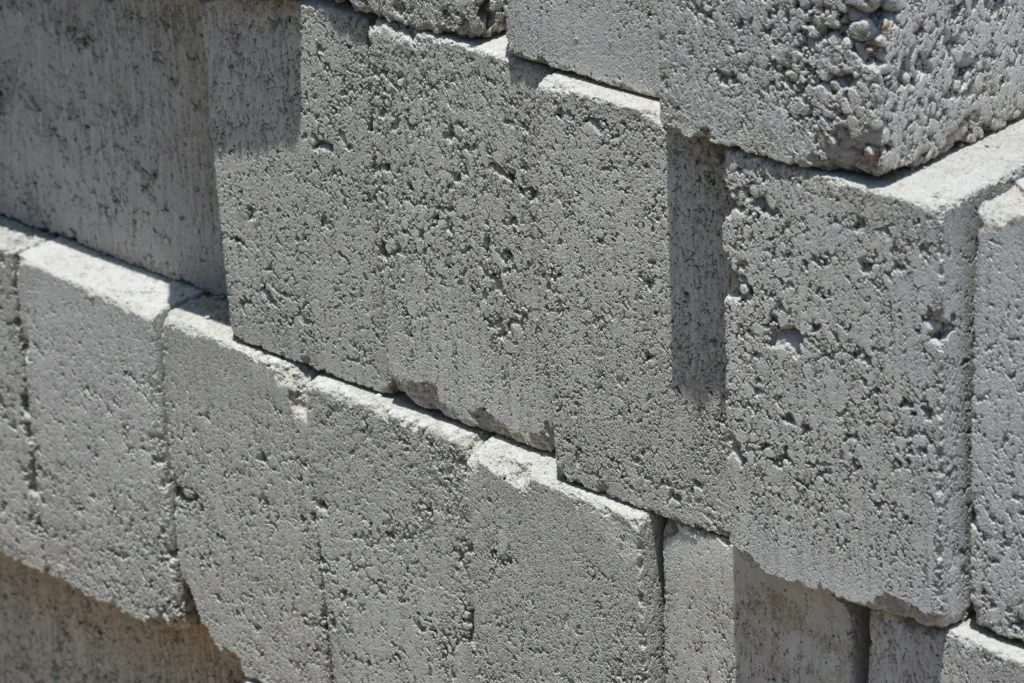
Reinforced Cement Concrete (RCC) is a composite material in which concrete is associated with steel reinforcement to improve its strength and ability to bear tensile forces. Concrete by itself is strong in compression but weak in tension, and the use of steel reinforcement allows RCC to withstand both compression and tension, making it fit for use in the construction of buildings and infrastructure.
Materials Used
RCC comprises cement, sand, coarse aggregates, water, and reinforcement steel (rebars). The steel bars are incorporated in such a way that they take the tensile stresses, while the concrete carries the compressive forces.
The mix is done in certain ratios as per the strength of the final product that is required. The steel reinforcement is the main reason that allows RCC to be a robust and long-lasting material.
Where RCC Is Used
RCC Advantages
RCC is recognized around the world as the strongest and most durable material in the construction industry, which is why it is mainly used for structural purposes.
Unquestionably, the insertion of steel bars increases the material’s capacity to withstand both pulling and pressing; thus, it has an admirable weight-carrying ability. Besides that, it is noncombustible and can bear high temperatures, thus offering extra safety in building. It is a durable material, and if done right, extremely low maintenance is needed.
RCC Limitations
Even if RCC provides extreme power, its application is much longer and necessitates more manpower when compared to PC. It needs experienced personnel for the accurate positioning of the steel and the right hydration of the concrete. The price of RCC is also greater because of the reinforcement materials and the complicated construction process. Furthermore, the long period for curing concrete is an additional hurdle to the overall project timeline.
What is Precast Construction?

Definition
Precast construction is defined as a process in which concrete elements like beams, columns, slabs, and walls are made in a controlled factory environment before being carried to the construction site for assembly. This technique is incredibly effective for large-scale construction projects that need quickness, uniformity, and quality assurance since the components are made in a controlled environment and not at the site.
Precast Elements Types
Common precast elements are structural elements such as beams, slabs, columns, stairs, and boundary walls, which are precast. The factory directly produces these components, where they undergo a process, the outcome of which is uniformity and quality finishing.
After manufacturing, the precast elements are then taken to the site and assembled, thus greatly speeding up the construction process, which is particularly true for projects that require many identical components.
Applications
Precast construction is the main method in commercial buildings, high-rise apartments, and industrial projects, besides infrastructure like bridges, metro stations, and warehouses.
The method is extremely efficient in repetitive designs and standardized elements. For example, huge residential complexes or modular office buildings have been built with precast construction.
Also, precast construction is common in mass housing projects where the rapid assembly of uniform components is a good way to cut labor costs and construction time.
Advantages of Precast
Among the many benefits of the precast construction technique, the speed of execution is the most important. You get faster project completion or earlier site construction if the elements are made off-site.
Besides that, the factory produces precast elements under strict conditions that guarantee quality and accuracy. Furthermore, the precast method is more economical in the long run, as it causes on-site labor reduction and less construction waste. Check out our latest blog post on How Civil Engineers Help in Disaster Management
Limitations of Precast
Precast construction, although beneficial, still has a set of drawbacks. The transport of ready-to-use big precast components to the building location might not be easy, especially if the location is a crowded city area or hard to reach.
The starting cost for precast plants can be very expensive, thereby making it a costly affair at the very beginning. Adding to that, the production of precast elements can be limited, as the process in the factory is done quickly and made for standardization rather than custom designs.
Key Differences Between RCC, PCC, and Precast Construction
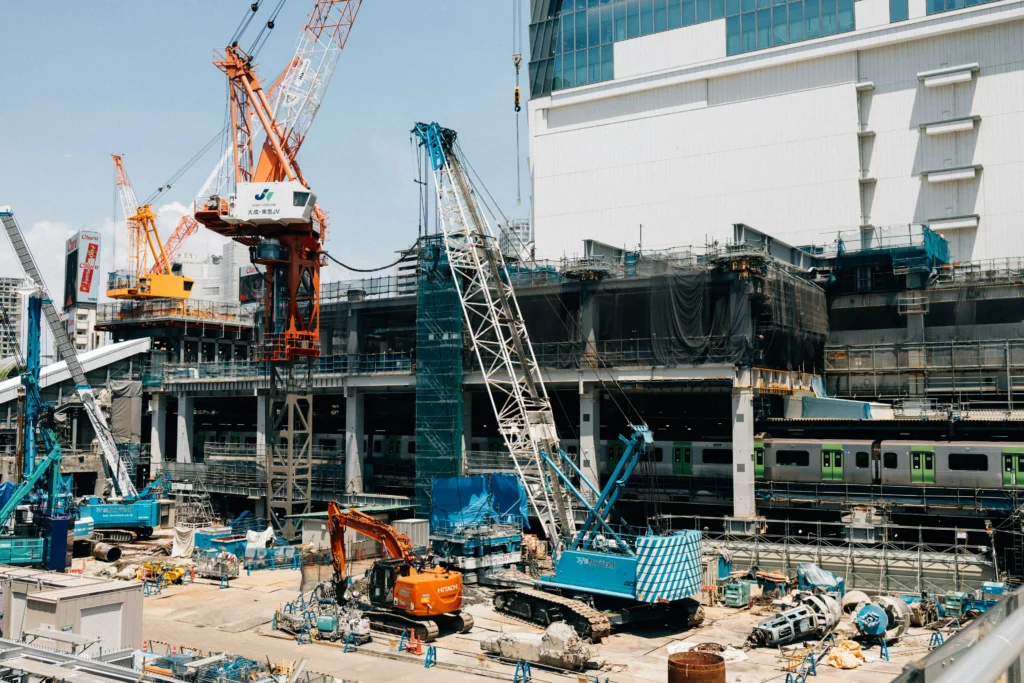
Purpose: The main application of PCC is non-structural, e.g., base layers, while structural applications like beams, columns, and slabs require RCC. Precast construction comes in for the big projects where standard components are quickly and easily assembled.
Strength: RCC tops the list, the biggest reason being the presence of steel reinforcement, followed by precast, which uses high-strength concrete. PCC is the least strong and is only used when structural strength is not an issue.
Construction Time: RCC and PCC need on-site mixing, pouring, and curing, which, of course, takes a lot of time. The precast elements, though, are made off-site, which drastically reduces the time needed for on-site construction and thus speeds up the whole project.
Cost: Among these, PCC is the least expensive, followed by RCC, which requires the cost of both materials and labor. Precast construction has a higher initial cost due to factory setup, transportation, and installation but can save on labor costs during construction.
Customization: PCC and RCC give a lot more opportunities to customize on the construction site and are still more flexible according to the specific project needs than precast construction, which limits the use of standard elements produced in large quantities.
Which One Should You Choose?
The choice of PCC, RCC, or Precast construction is entirely based on the features of your project. For instance, PCC is most suitable for non-structural and low-strength applications such as flooring and foundation layers. Precast construction is most suitable for large-scale, rapid completion, and standardization with high-quality control in commercial buildings and infrastructure.
Conclusion
A complete understanding of PCC, RCC, and Precast constructions is the first step towards the right decision for your project. Taking into account the strengths and the peculiarities of each method and when to use them can efficiently lead to your project being completed within the budget and with lasting results. Contact us as Whether it is a small residential house, a large infrastructure project, or anything in between, the right construction method will always be the decisive factor in success.






1 Comment
Comments are closed.