

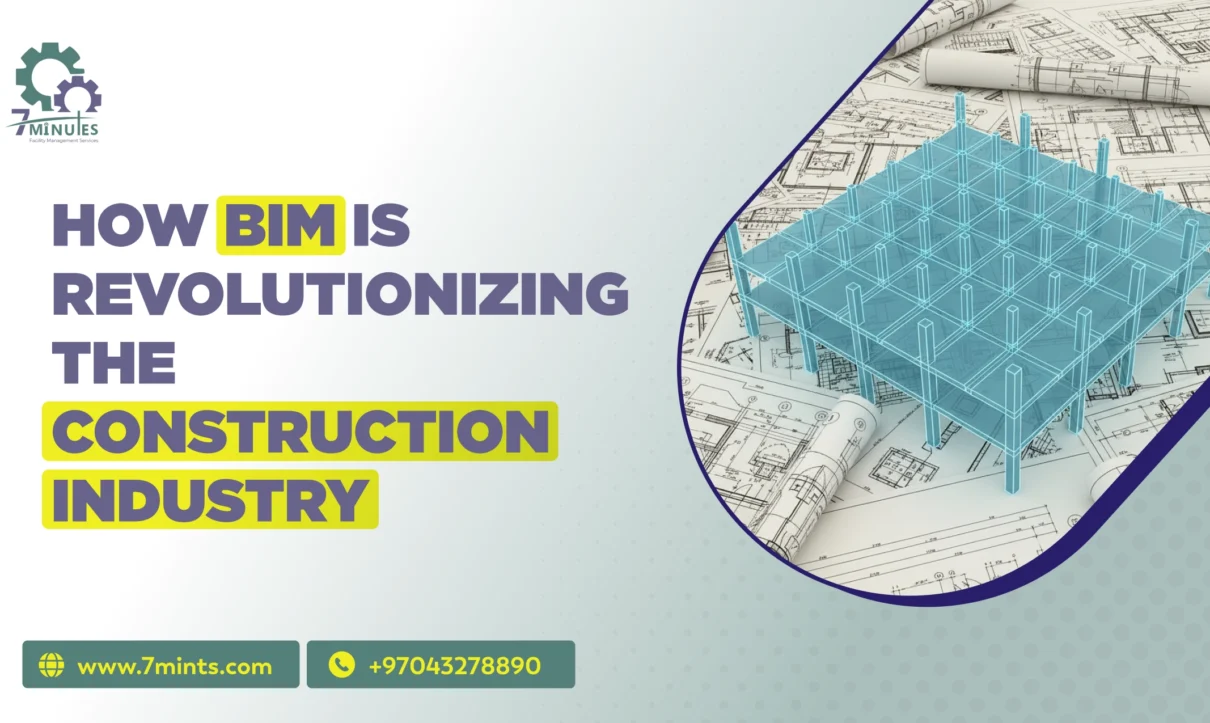
The construction industry in the United Arab Emirates is experiencing rapid growth, driven by ambitious infrastructure projects, smart cities, commercial developments, and sustainable building initiatives. As construction projects become more complex, companies are adopting advanced technologies to improve planning, coordination, cost management, and project delivery. One of the most important innovations transforming the sector is Building Information Modeling (BIM).
Building Information Modeling UAE has become an essential part of modern construction, helping architects, engineers, contractors, and developers manage projects more efficiently. From designing high-rise buildings in Dubai to developing large-scale infrastructure across Abu Dhabi and other emirates, BIM is changing how construction professionals plan, design, and execute projects.
What Is Building Information Modeling (BIM)?
Building Information Modeling is a digital process that creates detailed 3D representations of buildings and infrastructure. It combines architectural, structural, and mechanical, electrical, and plumbing (MEP) information into a coordinated digital model.
Unlike traditional construction drawings, BIM provides a shared information platform where project stakeholders can access updated project details throughout the building lifecycle.
The growing demand for Building Information Modeling Dubai reflects the UAE construction industry’s increasing focus on digital transformation, accuracy, and efficient project execution.
How BIM Is Transforming the Construction Industry in the UAE
The adoption of BIM technology is improving construction processes across residential, commercial, industrial, and infrastructure projects.
1. Improved Project Planning and Design
Traditional construction planning often involves separate drawings and documents, which can lead to design inconsistencies and communication problems. BIM brings different project disciplines together through a coordinated digital model.
With BIM architecture Dubai, architects can develop detailed building designs, visualise layouts, evaluate design alternatives, and identify potential issues before construction begins.
This approach helps developers make informed decisions and reduces costly design changes during the construction phase.
2. Better Collaboration Between Project Teams
Construction projects involve multiple professionals, including architects, structural engineers, MEP consultants, contractors, and project managers.
BIM services UAE support better collaboration by providing a centralised digital environment where stakeholders can share project information and coordinate their work.
This improves communication, reduces misunderstandings, and helps teams work with consistent project information.
3. Accurate 3D Visualisation
One of the major benefits of BIM is its ability to create realistic digital representations of construction projects.
3D BIM modeling UAE allows developers and construction professionals to visualise building structures before physical work begins. It helps stakeholders understand building layouts, architectural elements, structural components, and interior spaces.
This is particularly useful for large residential developments, commercial towers, hotels, and infrastructure projects across Dubai and Abu Dhabi.
4. Better Scheduling Through 4D BIM
Time management is essential for successful construction project delivery. Delays can increase labour costs, material expenses, and overall project budgets.
4D BIM construction UAE integrates 3D building models with project schedules. It allows project managers to visualise construction activities according to their planned timelines.
By understanding the construction sequence, teams can identify scheduling conflicts, improve resource allocation, and monitor project progress more effectively.
5. Improved Cost Estimation With 5D BIM
Managing construction budgets is another major challenge for developers and contractors.
5D BIM modeling connects digital building models with cost information, helping professionals estimate material quantities, labour requirements, and project expenses.
It supports more accurate budgeting and allows project teams to evaluate how design changes may affect overall construction costs.
This makes BIM particularly valuable for large-scale UAE construction projects where financial planning and cost control are essential.
The Role of BIM Technology in Dubai’s Construction Growth
Dubai is recognised for its advanced infrastructure, modern architecture, and large-scale real estate developments. As construction projects continue to evolve, BIM technology Dubai is becoming increasingly important for improving project coordination and digital planning.
BIM supports the development of complex structures by helping professionals manage architectural designs, structural systems, MEP installations, and construction schedules within a coordinated environment.
The use of digital construction technology UAE also supports the wider industry shift towards smarter, more connected, and data-driven construction processes.
How BIM Improves Engineering and Construction Accuracy
Engineering accuracy plays an important role in construction quality and safety. BIM provides engineers with detailed digital information that helps them coordinate building systems and identify design problems.
BIM engineering UAE supports structural analysis, MEP coordination, design validation, and construction planning.
For example, engineers can evaluate how electrical systems, plumbing networks, ventilation ducts, and structural components interact within the same building model.
This improves design accuracy and reduces the possibility of costly modifications during installation.
BIM Clash Detection: Reducing Construction Errors
One of the most valuable applications of BIM is clash detection.
BIM clash detection UAE helps identify conflicts between different building components before construction begins. For example, an HVAC duct may overlap with a structural beam, or a plumbing pipe may interfere with an electrical installation.
Using BIM coordination services Dubai, project teams can identify these issues during the design stage and resolve them before they create delays on-site.
Early clash detection helps reduce rework, minimise material waste, and improve coordination between contractors and consultants.
The Importance of BIM Software in UAE Projects
Modern BIM workflows depend on specialised software that allows professionals to create, manage, and coordinate digital building models.
BIM software UAE is used by architects, engineers, consultants, and contractors for different stages of construction planning and execution.
Popular tools include:
- Autodesk Revit: Used for architectural, structural, and MEP modelling.
- Autodesk Navisworks: Supports model coordination and clash detection.
- Autodesk BIM Collaborate: Helps teams coordinate designs and project information.
- Autodesk Civil 3D: Used for civil engineering and infrastructure design.
- Graphisoft Archicad: Supports architectural design and BIM workflows.
Professional Revit BIM services Dubai help construction companies develop detailed models, coordinate building systems, and improve design documentation.
Key Benefits of BIM in Construction
The adoption of BIM provides several advantages for construction companies and developers.
Some important benefits of BIM in construction include:
- Reduced construction errors: Early identification of design conflicts helps prevent costly mistakes.
- Improved project coordination: Different teams can collaborate using shared project information.
- Better cost management: Accurate quantity take-offs and cost estimation support budget control.
- Time savings: Improved planning and scheduling help reduce project delays.
- Enhanced visualisation: 3D models make complex designs easier to understand.
- Reduced material waste: Better planning helps minimise unnecessary material usage.
- Improved facility management: Digital building information can support maintenance and operations after project completion.
These advantages make BIM a valuable investment for construction companies operating across the UAE.
BIM Implementation in Construction: Challenges and Opportunities
Although BIM offers significant benefits, successful BIM implementation in construction requires proper planning and investment.
Some common challenges include the cost of software, employee training, data management, and resistance to adopting new digital processes.
Construction companies can overcome these challenges by:
- Providing BIM training to architects and engineers.
- Selecting appropriate BIM software and digital tools.
- Establishing clear project coordination standards.
- Encouraging collaboration between design and construction teams.
- Implementing consistent data management practices.
- Working with experienced BIM consultants.
With the right strategy, companies can integrate BIM into their workflows and improve long-term project performance.
The Future of BIM in the UAE Construction Industry
The future of BIM in construction industry is closely connected to artificial intelligence, cloud collaboration, digital twins, automation, and smart infrastructure.
As the UAE continues investing in advanced infrastructure and sustainable urban development, BIM will play an increasingly important role in construction planning and asset management.
Future developments may include AI-powered design optimisation, real-time construction monitoring, improved building performance analysis, and digital twins that connect building models with operational data.
The growing adoption of BIM will help construction companies improve efficiency, support sustainable development, and deliver more complex projects with greater accuracy.
Conclusion
Building Information Modeling is transforming the UAE construction industry by improving design accuracy, project coordination, cost management, and construction planning. From 3D visualisation and 4D scheduling to 5D cost estimation and clash detection, BIM provides practical solutions to many traditional construction challenges.
As demand for advanced infrastructure and modern buildings continues to grow, adopting BIM technology will become increasingly important for developers, contractors, architects, and engineering professionals.
Businesses investing in BIM today can improve project efficiency, strengthen collaboration, and prepare for the future of digital construction in the UAE.
Frequently Asked Questions
Q1. What is Building Information Modeling (BIM) in construction?
Building Information Modeling is a digital process used to create and manage detailed 3D building models containing architectural, structural, and engineering information throughout a construction project’s lifecycle.
Q2. Why is BIM important in the UAE construction industry?
BIM is important because it improves project planning, reduces design errors, supports collaboration, controls construction costs, and helps manage complex infrastructure and building projects.
Q3. What are the main benefits of BIM in construction?
The main benefits include better project coordination, accurate cost estimation, reduced construction errors, improved scheduling, 3D visualisation, and more efficient facility management.
Q4. Which BIM software is commonly used in Dubai?
Autodesk Revit, Navisworks, BIM Collaborate, Civil 3D, and Graphisoft Archicad are among the commonly used tools for BIM modelling, design coordination, and construction planning.
Q5. What is the difference between 3D, 4D, and 5D BIM?
3D BIM represents the physical building model, 4D BIM integrates construction scheduling and timelines, and 5D BIM adds cost information for improved budget management.
Q6. How does BIM clash detection reduce construction costs?
BIM clash detection identifies conflicts between structural, architectural, and MEP components before construction. Resolving these issues early reduces rework, material waste, and project delays.







2 Comments
Comments are closed.