

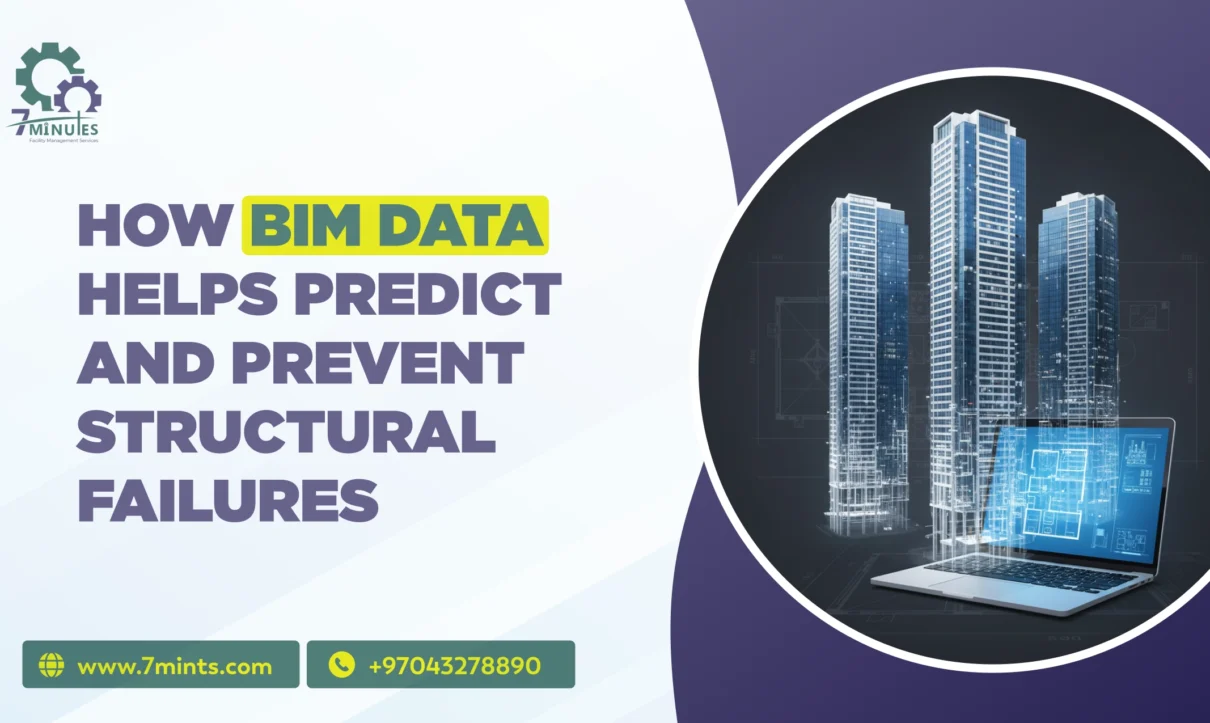
The construction industry is increasingly adopting advanced technologies to improve building safety, reduce project risks, and enhance structural performance. One of the most valuable technologies is Building Information Modeling (BIM), which allows construction professionals to create and manage detailed digital representations of buildings and infrastructure. Through effective BIM data analysis, engineers can identify potential structural problems, evaluate building performance, and make informed decisions before minor issues develop into serious failures.
Today, BIM is not limited to 3D modeling. It supports structural engineering, construction planning, asset management, and building maintenance. By combining engineering information, material specifications, design details, and performance data, BIM helps organizations improve structural failure prediction and develop more reliable construction projects.
1. Understanding the Role of BIM in Structural Engineering
Building information modeling is a digital approach that brings together architectural, structural, and construction information within a coordinated model. It provides engineers, architects, contractors, and project managers with access to relevant project data throughout the building lifecycle.
BIM for structural engineering helps professionals examine structural components such as columns, beams, foundations, slabs, and load-bearing walls. Engineers can review design information, assess material specifications, and identify potential coordination issues before construction begins.
Using BIM models alongside structural analysis software allows professionals to evaluate different design conditions and identify areas that may require additional attention. This improves design coordination and supports better decision-making during project development.
2. How BIM Data Analysis Supports Structural Failure Prediction
Structural failures can occur because of design errors, material deterioration, excessive loading, poor construction practices, environmental conditions, or inadequate maintenance.
Traditional inspection methods may identify problems only after visible damage appears. However, BIM data analysis provides a more structured approach to evaluating building information and identifying potential risks earlier.
Engineers can analyze several types of information, including:
- Structural design specifications and load calculations.
- Material properties and construction details.
- Historical inspection and maintenance records.
- Environmental and operational conditions.
- Sensor readings and structural performance data.
When these datasets are properly integrated, engineers can identify unusual patterns, evaluate potential weaknesses, and support more accurate structural failure prediction.
BIM does not automatically predict every structural failure. Its effectiveness depends on the accuracy of the model, quality of engineering data, appropriate analytical methods, and professional validation.
3. Early Detection of Structural Issues Through BIM
Identifying structural problems at an early stage can prevent expensive repairs and improve building safety. Early detection of structural issues is particularly important in large commercial buildings, bridges, industrial facilities, and infrastructure projects.
BIM supports structural defect detection by helping engineers compare actual construction conditions with approved design information.
For example, engineers can use BIM models to identify discrepancies involving:
- Incorrect structural component dimensions.
- Misaligned beams and columns.
- Improper reinforcement placement.
- Material specification differences.
- Potential clashes between structural and MEP systems.
These checks help teams address design and construction issues before they create larger problems. However, physical inspections and appropriate testing remain essential for identifying defects that cannot be confirmed through model information alone.
4. BIM-Based Risk Assessment for Construction Projects
Every construction project involves structural, environmental, and operational risks. Identifying these risks early helps project teams plan appropriate preventive measures.
BIM-based risk assessment allows engineers to examine structural components, construction sequences, and design information within a coordinated digital environment.
For example, a project team working on a high-rise building can use BIM to review structural connections, foundation information, load distribution, and construction sequencing.
This information supports construction risk prevention by helping professionals identify potential problems before they affect project progress or structural performance.
BIM-based risk assessments can also help teams evaluate construction-stage risks, coordinate safety planning, and document corrective actions.
5. Structural Health Monitoring and Predictive Maintenance
Buildings and infrastructure require regular inspections to maintain their structural condition. However, traditional maintenance practices often depend on scheduled inspections rather than actual asset performance.
Structural health monitoring improves this approach by using sensors and monitoring equipment to collect information about a structure’s condition.
Depending on the project, monitoring systems may measure:
- Structural movement and displacement.
- Vibration and dynamic response.
- Strain and deformation.
- Temperature variations.
- Crack development and settlement.
When monitoring data is connected to BIM, engineers can associate performance information with specific structural components.
This creates opportunities for predictive maintenance in construction, allowing maintenance teams to investigate unusual readings, prioritize inspections, and plan repairs before problems become more serious.
The combination of monitoring technology and BIM also supports better structural performance monitoring throughout a building’s operational life.
6. Digital Twin Technology and Predictive Analytics
One of the major developments in modern construction is digital twin technology. A digital twin is a digital representation of a physical asset that can be updated using information from sensors, inspections, and operational systems.
When combined with BIM, digital twins provide a more dynamic view of building performance.
For example, a commercial building can use sensors to monitor vibration, temperature, and structural movement. This information can be linked to the digital model to help engineers understand how different components are performing.
Predictive analytics in construction can further support this process by analyzing historical and real-time data to identify patterns, unusual changes, and potential maintenance requirements.
These capabilities can help organizations improve asset management, make informed maintenance decisions, and reduce unexpected operational disruptions.
7. BIM Data Management and Structural Integrity Analysis
Accurate information is essential for reliable structural assessment. Poor documentation, outdated models, and inconsistent project records can affect engineering decisions.
Effective BIM data management ensures that important project information is organized, updated, and accessible to authorized stakeholders.
This includes structural drawings, material specifications, inspection reports, maintenance records, and approved design changes.
Engineers can use this information for structural integrity analysis, which evaluates whether building components continue to meet relevant safety and performance requirements.
By maintaining reliable digital records, organizations can improve coordination between design, construction, inspection, and maintenance teams.
8. How BIM Improves Building Safety
BIM and building safety go beyond identifying structural defects. BIM can also support safer construction planning, better coordination, and improved facility management.
For example, contractors can use BIM models to review construction sequences, identify potential site hazards, and coordinate the installation of structural and building services components.
When used for BIM for failure prevention, digital models can help engineers evaluate design alternatives, investigate potential weaknesses, and communicate corrective measures.
These capabilities contribute to safer project delivery and more informed building management.
9. BIM for Smart Building Technology
Modern buildings increasingly use connected systems to improve energy efficiency, comfort, security, and operational performance.
Smart building technology combines building automation, sensors, monitoring platforms, and digital management systems.
Integrating BIM with these technologies allows facility managers to access detailed information about building components and their operational conditions.
For instance, maintenance teams can use BIM-linked information to locate equipment, review maintenance history, identify structural components requiring inspection, and organize service activities.
This creates a more connected approach to building management and supports long-term asset performance.
Conclusion
BIM is transforming how construction professionals manage structural information, assess risks, and maintain buildings. Through BIM data analysis, structural monitoring, predictive analytics, and digital twin technology, organizations can improve their ability to identify potential weaknesses and address problems before they become serious.
From BIM structural analysis and structural defect detection to predictive maintenance and digital asset management, BIM provides valuable information throughout the building lifecycle.
For construction companies, engineers, and facility managers, adopting an effective BIM strategy can support better structural decisions, improve building safety, and reduce long-term maintenance challenges. When combined with professional engineering assessments and reliable monitoring systems, BIM becomes an important tool for creating safer, more resilient, and sustainable infrastructure.






1 Comment
Comments are closed.