Concrete is by far one of the most utilized materials for construction around the globe, as it is the main constituent of buildings, bridges, dams, and many other infrastructures that you can see in everyday life. Its capability to endure and resist harsh weather has made it the very material of modern edifices. However, all these advantages hinge on a singular factor—the quality of the concrete used.
The blog will discuss the effect of poor-quality concrete on the structural strength, durability, safety, and performance over time, the reasons, and the prevention methods.
-
Weak Compressive Strength: The Root Cause of Structural Failure
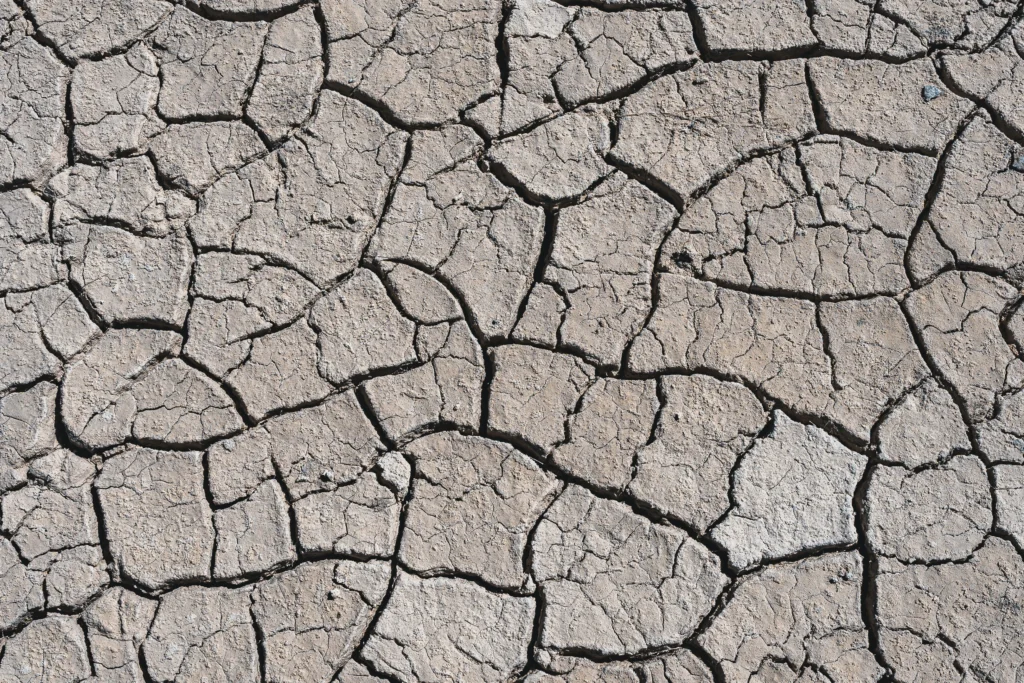
Engineers primarily judge the quality of concrete by its compressive strength. If the concrete mix contains the wrong ratio of cement, sand, aggregates, and water, the mix loses significant strength. This reduction weakens the loading capacity of columns, beams, slabs, and foundations, preventing them from withstanding the specified weight. Under normal load conditions, weak concrete eventually cracks, bends, or even collapses.
Poor-quality concrete is notorious for having a lot of water in the mix. This is done to make the concrete easier to pour, so workers add water. Alas, the excess water dilutes the cement paste that binds the aggregates, hence weak and porous concrete.
This non-strength construction material not only makes the structures weak but also fast-tracks the other problems that come with moisture infiltration and steel reinforcements rusting due to a lack of non-corrosive material around them. Weakened compressive strength is one of the earliest signs that a building will not be able to perform safely over time.
-
Faster Crack Formation and Spread
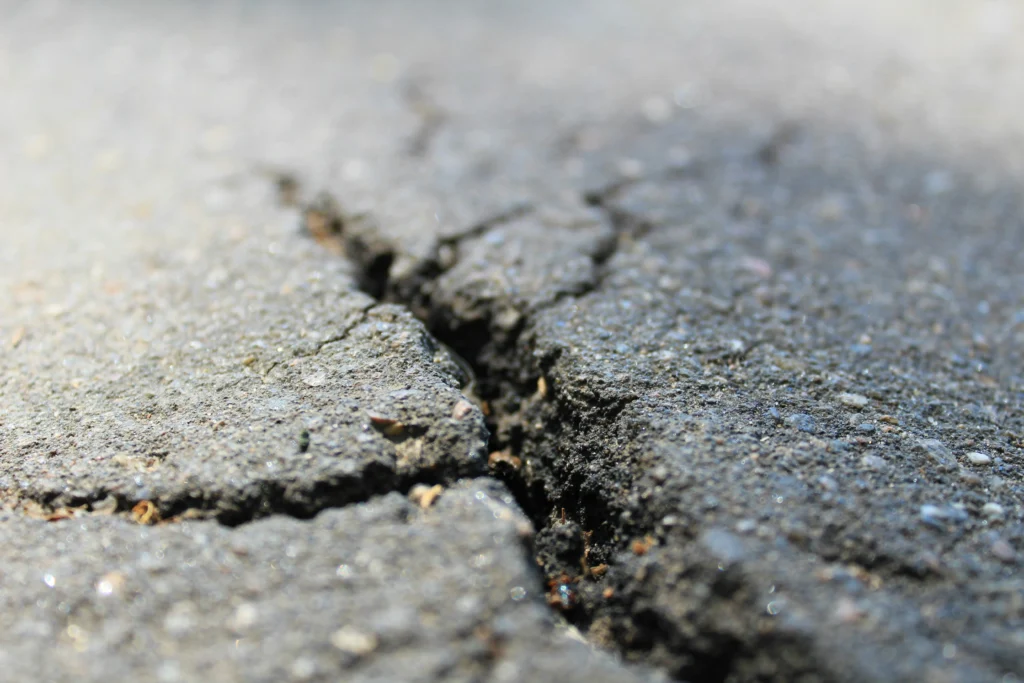
Concrete usually develops cracks, but if the concrete is of high quality, the cracks remain tiny and harmless. On the contrary, low-quality concrete develops cracks early, faster, and wider. In most cases, this is due to the concrete’s improper binding, low density, or shrinkage from incorrect curing. Such fractures allow water, chemicals, and air to intrude into the structure, making it susceptible to further damage.
When the cracks become wider, they affect the load-bearing parts of the structure, such as beams and columns. Their existence reduces the resistance of the structure to bending, compression, and tension forces. Eventually, even the slightest vibrations caused by traffic or wind can aggravate the situation.
-
Corrosion of Steel Reinforcement
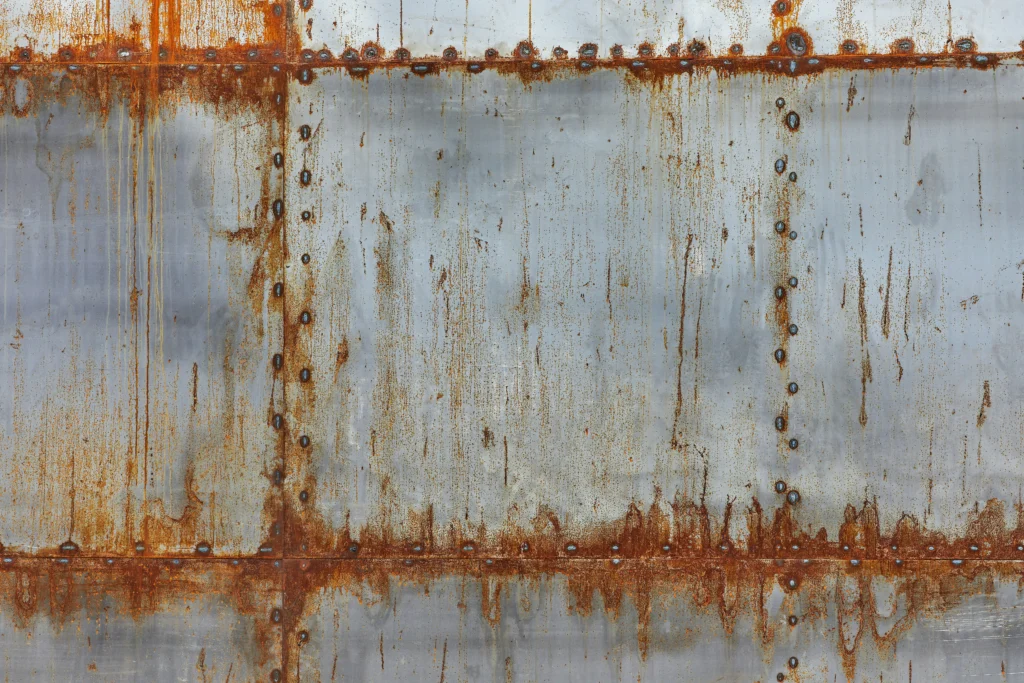
In the case of concrete and steel, they complement each other in the formation of reinforced concrete, but if the concrete is of poor quality, it fails to protect the steel bars inside it. Good concrete, on the other hand, naturally protects the steel reinforcement from corrosion due to the fact that it is dense and has a high pH value that hinders rusting. Poor-quality concrete, however, is very much like a sponge that absorbs water and chemicals easily; thus, the steel becomes subject to corrosion easily.
When steel rusts, it expands and pushes against the surrounding concrete, causing it to crack or fall apart. Engineers refer to this cracking and falling off of concrete as “concrete spalling,” a process that significantly weakens the structure’s load-bearing capacity. As the steel reinforcement rusts, it continues to lose strength, which further reduces the building’s overall stability. If corrosion remains unchecked for a long time, the steel reinforcement can render the structure unsafe. This unchecked corrosion often causes the early failure of houses and bridges.
-
Reduced Durability and Shortened Lifespan
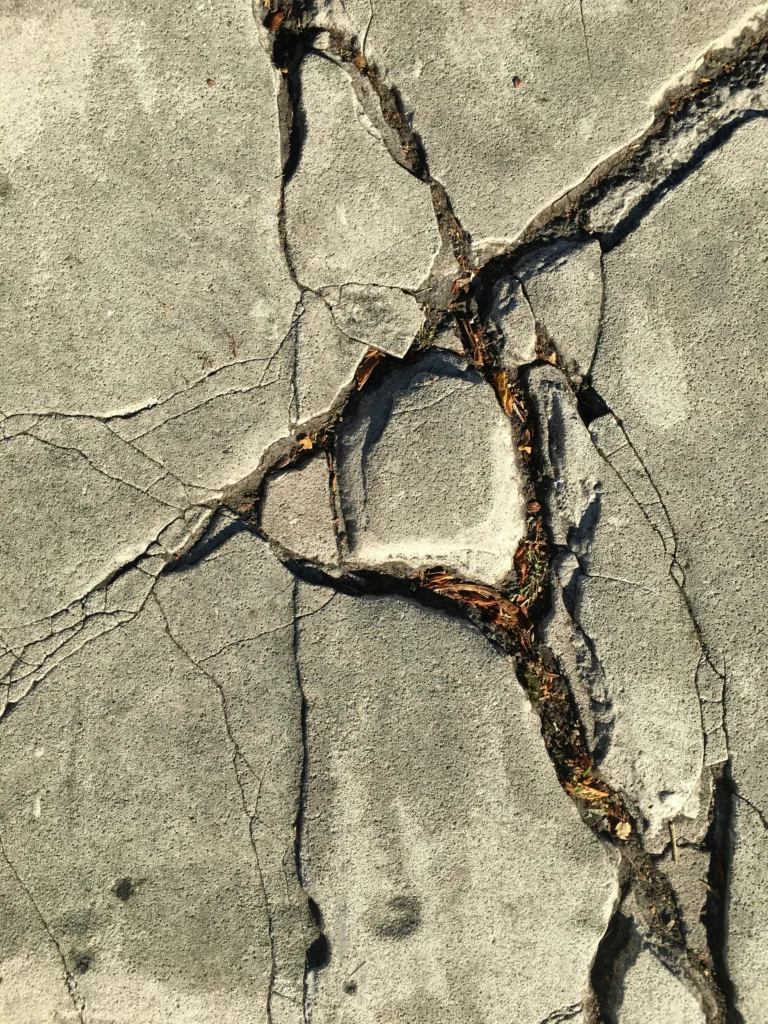
“Durability” is the term used to describe the structural capacity to withstand environmental and mechanical stresses for many years, given that the structure is fairly well managed. Bad-quality concrete ages fast in terms of its good qualities since it quickly loses durability to weather conditions, chemical exposure, and heavy loads. When concrete gets brittle before the end of its designed life, the life expectancy drops considerably. For instance, a structure marked for a 50-year lifespan may start displaying major problems within just 10-15 years.
Rain, heat, freeze-thaw cycles, and pollution cause poor-quality concrete to wear away faster. It becomes more susceptible to the effects of erosion, surface cracking, water leakage, and surface scaling. Consequently, the structure will necessitate frequent repairs, maintenance, and reinforcement work. In extreme cases, it may become unsafe for people and require the demolition of a part or the whole building. Therefore, bad concrete not only means unsafe structures but also incurs owners’ long-term costs.
-
Water Seepage and Moisture Damage

The concrete of good quality is made such that it is dense and water-resistant, thus keeping the water away from the structure inside. On the other hand, concrete of poor quality is very porous and allows water to come in very easily. The water, in turn, gets absorbed by the walls, slabs, basements, and foundations, which is the reason behind the existence of dampness, the peeling of paint, and the growth of mold. The water also leads to the continuous weakening of the concrete matrix, which in turn makes the building more fragile over time.
Water infiltration becomes very risky when it reaches the steel reinforcement. This is due to the fact that it speeds up the corrosion and structural damage. The water penetration in foundations can lead to soil softening, settlement issues, and uneven flooring. Water infiltration in high-rise buildings can quickly spread from one floor to another, and this will create safety and hygiene concerns. Continuous water exposure ultimately reduces the building’s lifespan significantly, thus making moisture control a crucial aspect to consider for concrete durability.
-
Poor Resistance to Environmental Stress
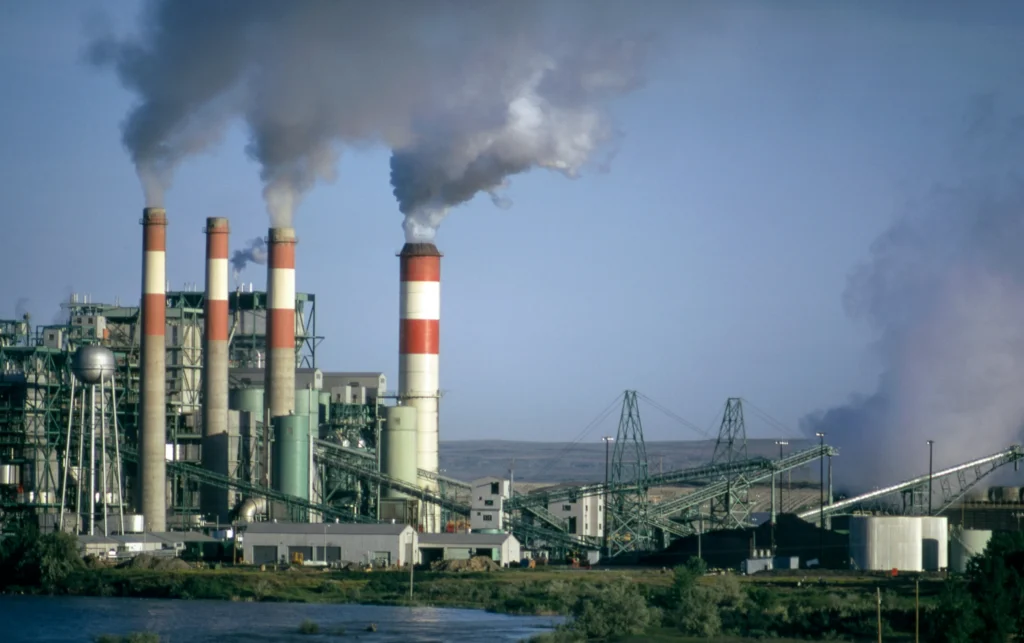
The concrete material is frequently subjected to extreme weather conditions like heavy rains, scorching sun, seawater, chemicals, and freeze-thaw cycles. The best quality concrete is made to withstand these kinds of pressures, but the bad quality concrete gives up much faster. The concrete surface might even be the first one to show signs of erosion, flaking, discoloration, and cracking, especially in industrial or coastal areas.
When concrete is unable to withstand environmental stress, its strength decreases with each passing year. The air and water in coastal areas’ salt will attack the concrete and the steel reinforcement much more vigorously. In places where there are extreme temperature differences, the low-quality concrete gets so much expansion and contraction that it causes structural wear. These environmental conditions, in the long run, inflict a lot of internal damage, which lowers the stability and service life of the structure.
-
Structural Instability and Risks Safety
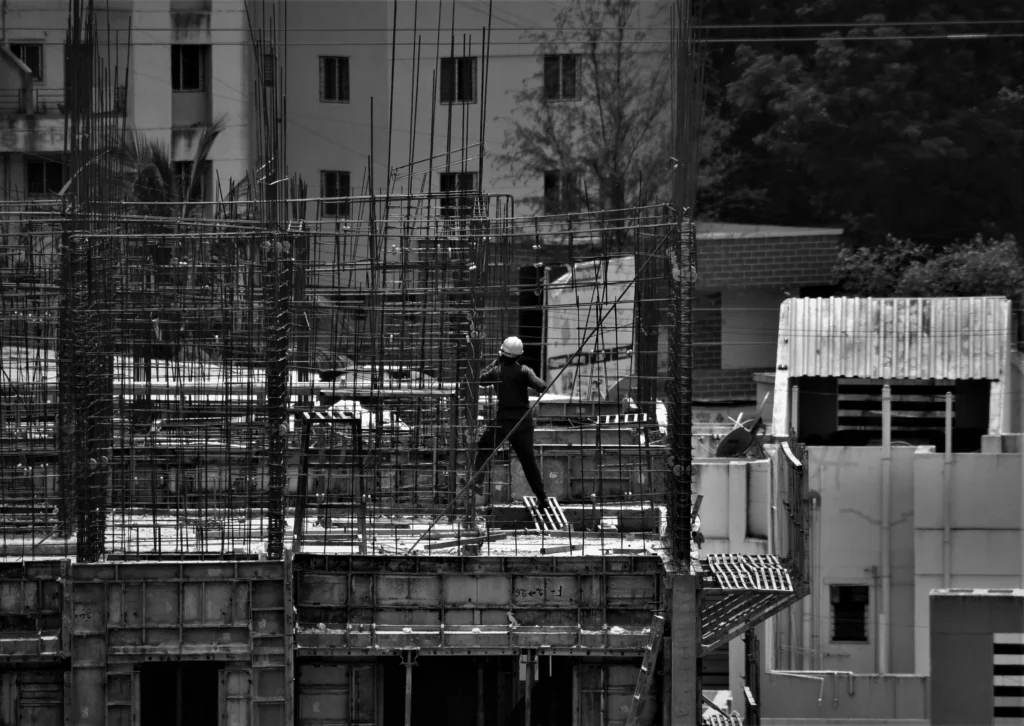
Ground floor and pile, column and beam concrete being of low quality, the whole building load path becomes unreliable, and hence, its uplift becomes overall structural instability. Thus, the building might not behave correctly under the stress of winds, earthquakes, or vibratory forces exerted on it. People, vehicles, or streams of people coming in and out of the building make even the daily loads start to cause instability in the building.
In extreme cases, poor-quality concrete can lead to the building of partial or total collapse of the structure. This is very dangerous and poses the risk of death to the workers, occupants, and even the public. Check out our latest blog post on Common Issues with Construction Materials and How to Avoid Them
-
Higher Repair and Maintenance Costs
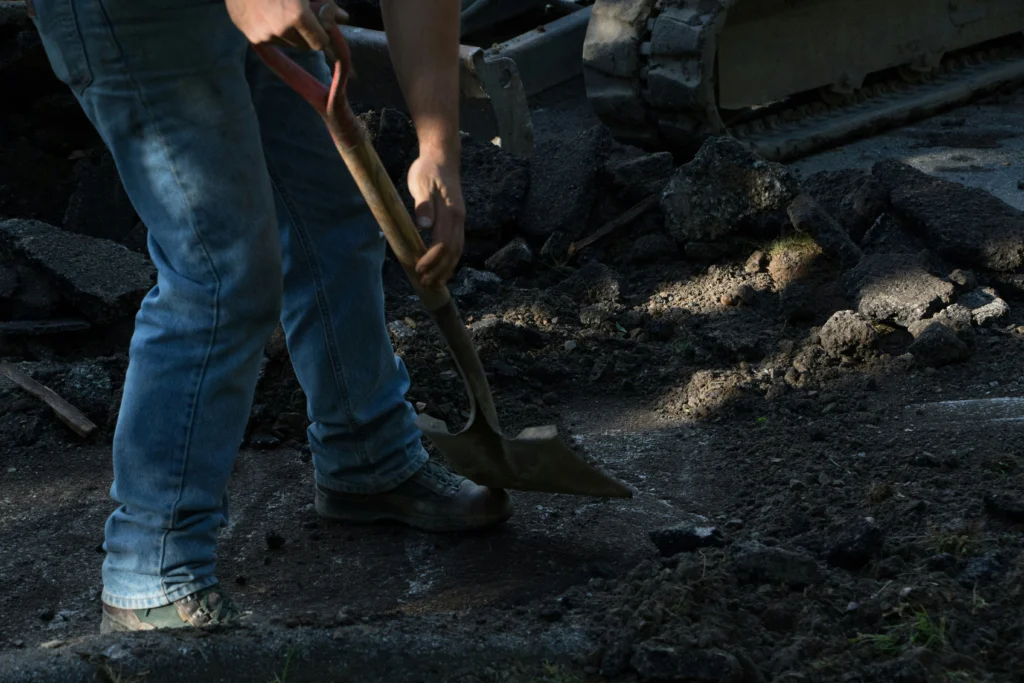
Buildings, which are made of low-quality concrete, have a major problem to face during their lifespan, which is frequent repairs. The cracks, corrosion, dampness, and surface defects coming up very early are a situation that the owners have to deal with. Owners spend money repeatedly to repair the same problems. Over a building’s lifetime, these cumulative repairs often exceed the cost of using quality construction materials in the first place
Moreover, when the structure is seriously damaged, it is not enough to just do minor repairs. Engineers may have to perform reinforcement works like jacketing, grouting, or retrofitting, which are costly and take a lot of time. In some scenarios, whole parts of the structure will have to be taken down and reconstructed. This, in turn, will raise the total cost of ownership of the structure dramatically. So, it is always better to invest in high-quality concrete initially than to go through that frugal and painful situation of nonstop repairs.
-
Causes of Poor-Quality Concrete
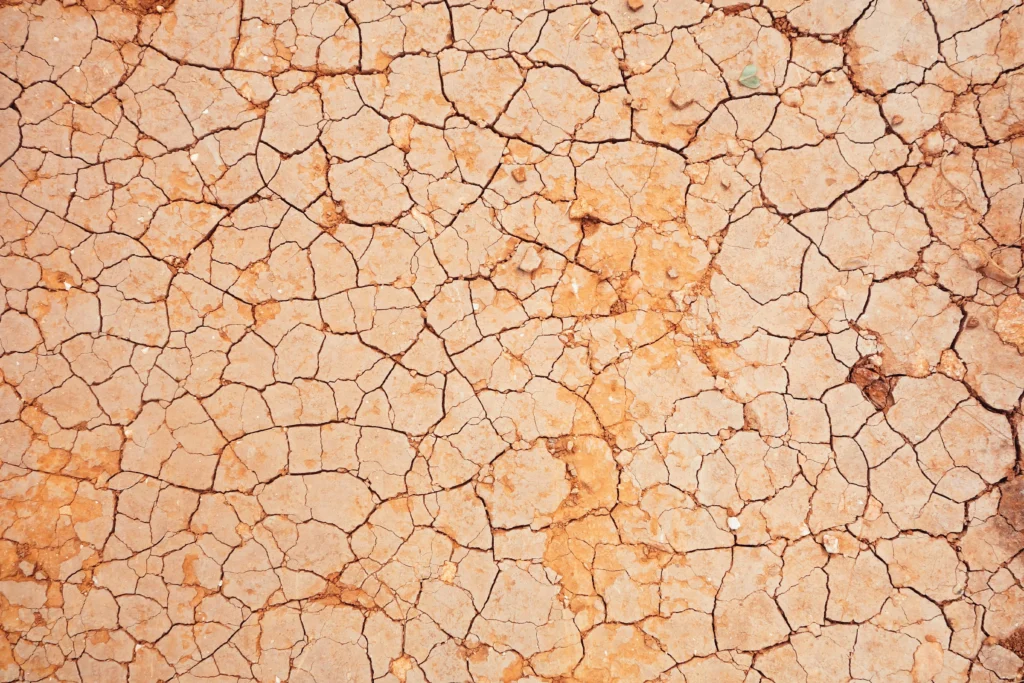
To know the factors that lead to concrete turning poor in quality is to know how to remedy these issues before they even come up. Among the typical causes is poor mix design, which is basically when the workers do not use the required ratio of cement, sand, aggregate, and water. Another factor that downgrades the performance of concrete is the use of inferior materials, such as sand with very fine particles or weak aggregates. Besides, one of the biggest onsite mistakes is to add excess water for the sake of workability.
Another major thing affecting the quality is not curing the concrete properly. Lack of skilled labor, poor supervision, and the use of outdated methods are other factors that affect the quality of concrete in production.
-
How to Ensure High-Quality Concrete
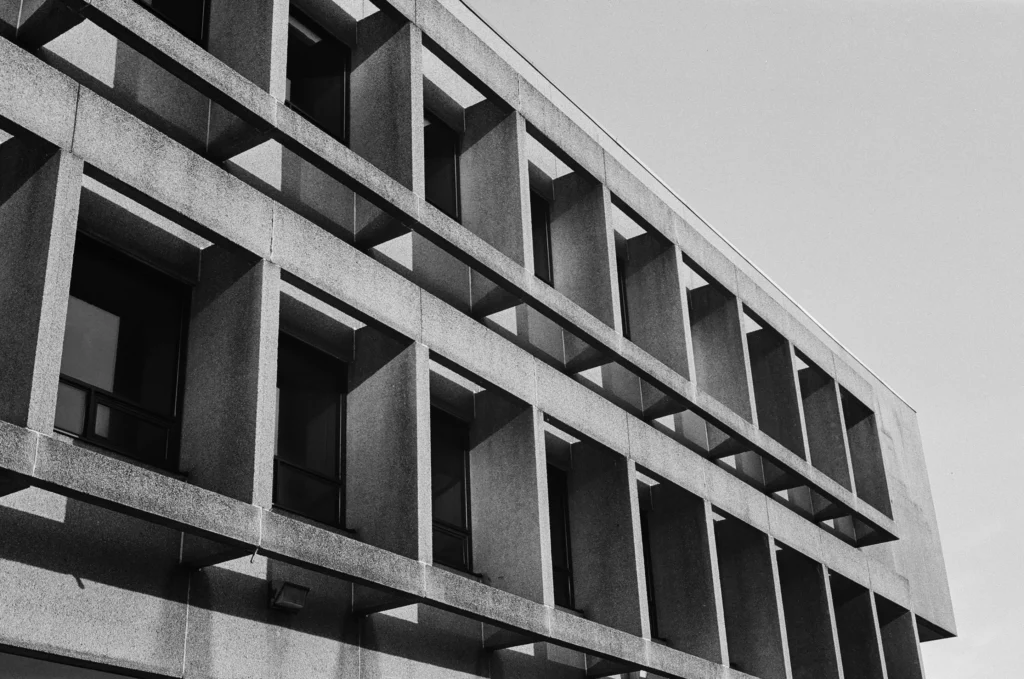
The beginning of concrete quality assurance is at the point when professional engineers or material specialists prescribe the exact mix proportions. The use of raw materials that have been certified, their precise measurement, and the restriction of water to a minimum are very crucial steps.
Proper curing plays a vital role in concrete strength. When builders keep the concrete moist for at least 7 to 14 days, they allow the chemical reaction that increases strength to continue without interruption. Regular site supervision, cube testing, and certified engineers’ monitoring further enhance the structure’s reliability. By following these practices, the industry secures long-lasting benefits in quality, safety, and control
Conclusion
Concrete of poor quality may appear to be an insignificant problem at first glance; however, its impact in the long run is serious in terms of both structural safety and the lifetime of the structure. It results in a universal decrease in the load-bearing capacity of the building, the fast spreading of cracks, the addition of reinforcement corrosion, and makes the entire structure open to environmental stress. This all eventually amounts to costly repairs, less durability, and even the non-existence of safety risks.
The provision of high-quality concrete is not simply a technical requirement—it is a moral obligation towards those who reside in, work in, and rely on such buildings every day. Contact us as with the right mix design, skilled labor, strict testing, and proper curing, buildings can develop the strength and durability necessary for a safe future.