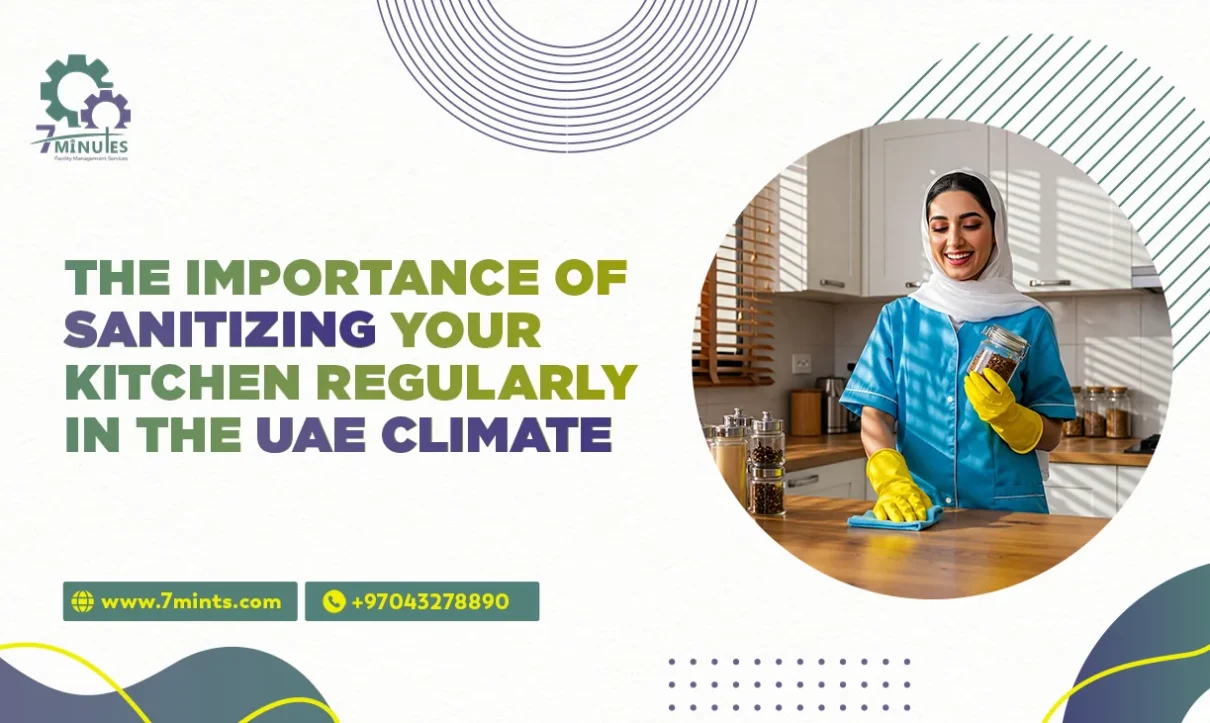
A clean and hygienic kitchen is essential for maintaining a healthy living and working environment. Whether it is a residential kitchen or a commercial food preparation area, regular cleaning and sanitization help prevent bacterial growth, eliminate unpleasant odours, and reduce the risk of food contamination. In the UAE, maintaining kitchen hygiene requires additional attention because high temperatures, humidity, and food preparation activities can create conditions that encourage microbial growth.
Understanding the importance of kitchen sanitization is particularly relevant for households, restaurants, hotels, cafeterias, and commercial kitchens across Dubai, Abu Dhabi, and other UAE cities. Regular cleaning removes visible dirt and grease, while proper sanitization helps reduce microorganisms on frequently touched surfaces.
Professional kitchen sanitization UAE services can help maintain hygienic cooking spaces through appropriate cleaning methods, suitable disinfectants, and systematic maintenance procedures.
Let’s explore why regular kitchen sanitization is important and how businesses and homeowners can maintain better kitchen hygiene in the UAE climate.
1. Why Is Kitchen Sanitization Important in the UAE?
The UAE experiences high temperatures during much of the year, and humidity can also increase in certain environments. These conditions make proper food storage, surface cleaning, and kitchen maintenance especially important.
The importance of kitchen sanitization goes beyond maintaining appearance. Food particles, moisture, grease, and improperly stored ingredients can contribute to contamination and attract unwanted pests.
Regular kitchen sanitization UAE practices help:
- Reduce bacteria and other microorganisms on kitchen surfaces.
- Prevent cross-contamination between raw and cooked food.
- Maintain cleaner food preparation areas.
- Reduce unpleasant smells.
- Support food safety and hygiene standards.
Maintaining kitchen hygiene UAE residents and businesses can rely on requires consistent cleaning rather than occasional maintenance.
2. Prevents Bacterial Growth and Food Contamination
Kitchen countertops, cutting boards, sinks, refrigerator handles, and cooking equipment are frequently exposed to food particles and microorganisms. Without proper cleaning, these surfaces can become potential sources of contamination.
Bacteria removal from kitchen surfaces is an important part of maintaining a safe cooking environment. However, cleaning and sanitization are different processes. Cleaning removes visible dirt and food residues, while sanitization reduces microorganisms to appropriate levels when the correct products and procedures are followed.
To improve kitchen germ prevention UAE households and businesses should:
- Clean countertops before and after food preparation.
- Wash cutting boards after handling raw meat and vegetables.
- Disinfect frequently touched surfaces using suitable products.
- Keep kitchen cloths and sponges clean and dry.
- Separate raw and ready-to-eat food preparation areas.
These simple measures help establish a safer food preparation environment.
3. Controls Grease and Food Residue Accumulation
Cooking activities generate oil splashes, grease deposits, food particles, and stubborn stains. If these residues are not removed regularly, they can accumulate on stovetops, exhaust systems, cabinets, tiles, and kitchen equipment.
Grease removal and kitchen cleaning Dubai services focus on removing stubborn grease from surfaces and hard-to-reach areas.
Excessive grease accumulation can also increase fire risks, particularly around cooking equipment and exhaust systems. Regular cleaning of kitchen hoods, filters, and surrounding surfaces is therefore important.
For effective grease management:
- Clean stovetops after cooking.
- Remove oil deposits from kitchen walls and backsplashes.
- Clean exhaust filters according to manufacturer recommendations.
- Maintain ovens and cooking appliances.
- Avoid allowing food residues to accumulate in corners.
A structured cleaning routine helps maintain a hygienic and functional kitchen.
4. Reduces the Risk of Pest Infestations
Food waste, uncovered ingredients, standing water, and accumulated grease can attract cockroaches, ants, flies, and other pests.
Pest prevention through kitchen cleaning is particularly important in residential and commercial properties across the UAE. Poor kitchen hygiene can create favourable conditions for pests to access food and water sources.
To minimise pest-related problems, keep food in sealed containers, remove rubbish regularly, clean under kitchen appliances, and ensure sinks and drainage areas remain free from food debris.
Professional cleaning can also help identify neglected areas where dirt and food residues accumulate.
5. Supports Residential Kitchen Hygiene in Dubai
Residential kitchens are used multiple times every day, making regular maintenance essential for household hygiene.
Residential kitchen cleaning Dubai services can help homeowners maintain clean countertops, cabinets, sinks, appliances, floors, and cooking areas.
Regular cleaning should focus on frequently touched surfaces and areas that come into contact with food. Refrigerator interiors, microwave ovens, kitchen drawers, and storage shelves should also be included in periodic cleaning schedules.
For households with children, elderly family members, or frequent cooking activities, maintaining a consistent kitchen hygiene routine can be especially valuable.
6. Maintains Hygiene in Commercial Kitchens
Restaurants, hotels, cafeterias, catering companies, and food production facilities must maintain high levels of cleanliness because multiple employees handle food and equipment throughout the day.
Commercial kitchen sanitization UAE businesses require involves more than ordinary surface cleaning. It includes cleaning food preparation areas, cooking equipment, storage facilities, sinks, floors, and frequently touched surfaces.
Businesses should establish documented cleaning schedules, assign responsibilities, and use appropriate sanitizing products according to manufacturer instructions.
Professional kitchen sanitization Dubai providers can support commercial establishments with structured cleaning procedures designed around their operational requirements.
7. Why Kitchen Deep Cleaning Is Necessary
Daily cleaning is important, but it may not remove all accumulated dirt and grease from difficult-to-reach areas.
Kitchen deep cleaning UAE services focus on areas that are often overlooked during routine cleaning, including:
- Behind and underneath kitchen appliances.
- Exhaust hoods and filters.
- Inside ovens and microwaves.
- Cabinet interiors and storage spaces.
- Floor corners and drainage areas.
- Refrigerator shelves and compartments.
Periodic deep cleaning helps remove stubborn deposits and maintain better overall kitchen hygiene.
8. Managing Humidity and Kitchen Hygiene in the UAE
Humidity and kitchen hygiene UAE households should consider go hand in hand, particularly in kitchens with inadequate ventilation.
Moisture around sinks, drainage areas, refrigerator compartments, and poorly ventilated corners can contribute to mould growth and unpleasant odours.
To manage moisture effectively:
- Ensure proper kitchen ventilation.
- Repair leaking taps and pipes.
- Dry wet countertops and sink areas.
- Clean refrigerator drainage points where applicable.
- Avoid leaving damp cleaning cloths on surfaces.
- Maintain appropriate airflow.
These precautions help prevent moisture-related hygiene problems and maintain a more comfortable kitchen environment.
9. Benefits of Professional Kitchen Cleaning Services in Dubai
Although daily cleaning can be managed by homeowners and kitchen staff, professional assistance is useful for intensive cleaning and specialised maintenance.
Kitchen cleaning services Dubai providers can offer scheduled cleaning programmes based on the property’s size, usage, and hygiene requirements.
Professional kitchen cleaning and disinfection services may include degreasing, appliance cleaning, surface sanitization, floor cleaning, and treatment of frequently touched areas.
When selecting a provider, consider:
- Experience in residential or commercial kitchen cleaning.
- Cleaning methods and equipment.
- Product safety information.
- Staff training and supervision.
- Availability of customised cleaning schedules.
- Relevant hygiene and safety procedures.
Professional green and conventional cleaning products should always be selected according to the surface, intended application, and manufacturer instructions.
10. Establishing a Regular Kitchen Hygiene Maintenance Schedule
Consistent maintenance is more effective than waiting until grease, dirt, and food residues become difficult to remove.
Kitchen hygiene maintenance UAE households and businesses can follow should include daily, weekly, and periodic cleaning activities.
Daily cleaning:
- Clean food preparation surfaces.
- Wash dishes and cooking utensils.
- Remove food waste.
- Clean sinks and stovetops.
- Wipe frequently touched surfaces.
Weekly cleaning:
- Clean refrigerator shelves as needed.
- Wash kitchen floors thoroughly.
- Clean cabinet handles and backsplashes.
- Remove grease from accessible surfaces.
Periodic deep cleaning:
- Clean exhaust systems and filters.
- Deep clean ovens and appliances.
- Clean hard-to-reach areas.
- Inspect drainage and moisture-prone spaces.
Following a structured schedule supports a safe food preparation environment UAE households and businesses can maintain throughout the year.
Conclusion
Regular kitchen sanitization is essential for maintaining food safety, preventing contamination, controlling grease accumulation, and creating a healthier cooking environment. In the UAE, high temperatures, humidity, and frequent kitchen usage make consistent cleaning and maintenance particularly important.
Whether maintaining a residential kitchen or managing a commercial food preparation facility, combining daily cleaning with periodic deep cleaning can improve hygiene and reduce avoidable risks.
By choosing suitable cleaning products, maintaining proper ventilation, following food safety practices, and working with professional kitchen sanitization Dubai providers when necessary, homeowners and businesses can maintain cleaner and safer kitchens.
Investing in regular kitchen cleaning is not simply about appearance. It is an important part of protecting food quality, supporting hygiene, and maintaining healthier spaces across the UAE.
Frequently Asked Questions
Q1. Why is regular kitchen sanitization important in the UAE?
Regular sanitization helps reduce microorganisms on kitchen surfaces, prevent food contamination, remove grease, and maintain hygiene in environments affected by high temperatures and humidity.
Q2. How often should a kitchen be sanitized?
Food preparation surfaces should be cleaned after use and sanitized when appropriate. Frequently touched areas should receive regular attention, while deep cleaning should follow a schedule based on kitchen usage.
Q3. What is the difference between kitchen cleaning and sanitization?
Cleaning removes visible dirt, grease, and food residues. Sanitization reduces microorganisms on surfaces to appropriate levels using suitable products and procedures.
Q4. Why is commercial kitchen sanitization important in Dubai?
Commercial kitchen sanitization helps restaurants, hotels, and catering businesses maintain hygienic food preparation areas, reduce contamination risks, and support applicable food safety requirements.
Q5. Does humidity affect kitchen hygiene in the UAE?
Yes. Moisture and inadequate ventilation can encourage mould growth and unpleasant odours. Proper ventilation, leak prevention, and regular cleaning help manage these conditions.
Q6. What areas require kitchen deep cleaning?
Important areas include ovens, exhaust hoods, filters, refrigerator compartments, cabinets, sinks, floors, and spaces behind kitchen appliances.