

Biopesticides are gaining prominence in today’s agriculture since they are less hazardous, cleaner, and eco-friendly compared to traditional chemical pesticides. They are a natural approach that farmers can use to get rid of pests and diseases. Biopesticides depend on the power of nature by using plant, microbe, mineral, and compound extracts that are found naturally in the environment.
These ingredients shield crops from insects, fungi, and diseases, without soil, water, or air contamination. Further, the residues from pesticides on crops are minimal; hence, they pose fewer health problems for consumers. This blog will outline the principal natural components in biopesticides and their roles in encouraging eco-friendly farming.
Microbial Ingredients Used in Biopesticides
a) Bacteria (e.g., Bacillus thuringiensis – Bt)
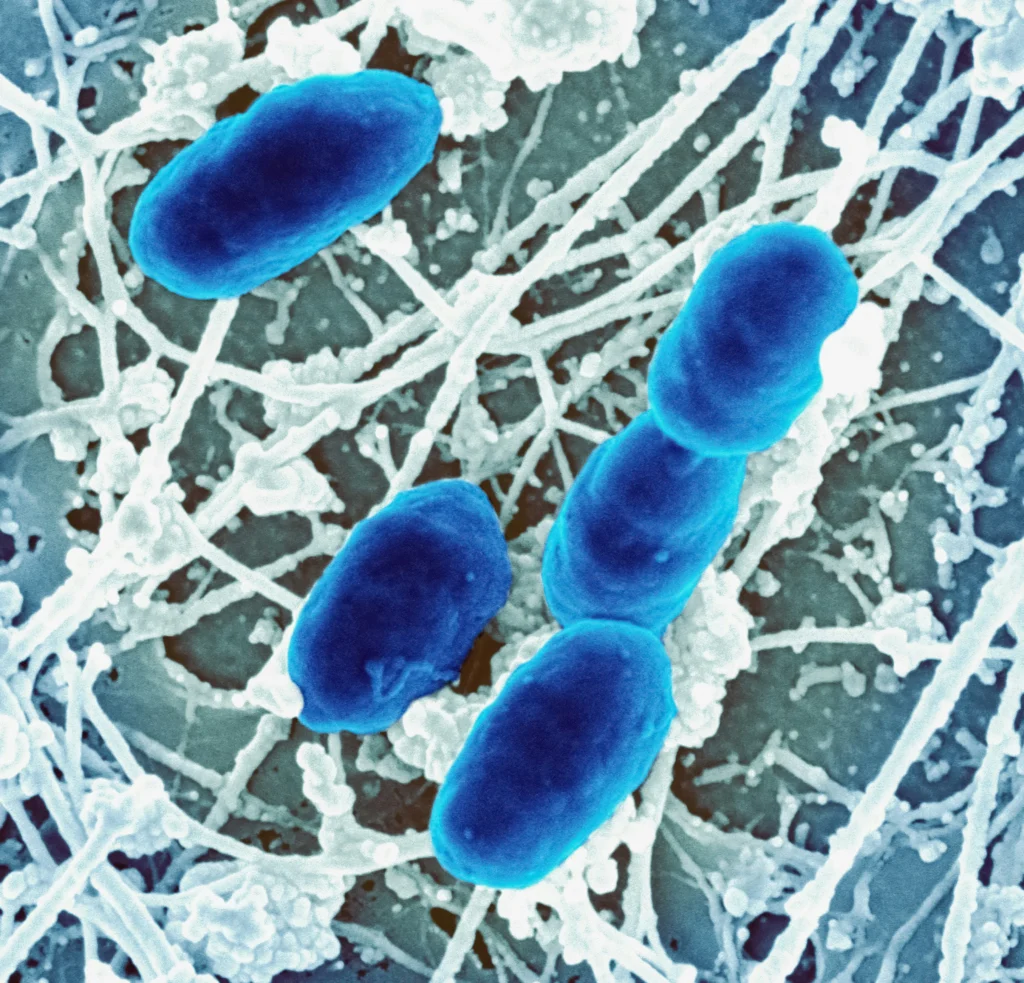
Bacteria are not only the first but also the most frequent natural ingredient used in the production of biopesticides. The bacterium produces certain proteins that are paralyzing for the specific insects only if these insects eat them. Hence, it is a very safe product for humans, animals, and beneficial insects. Farmers use the bacterium to fight off caterpillars, beetles, and mosquito larvae.
b) Fungi (e.g., Trichoderma, Beauveria bassiana)
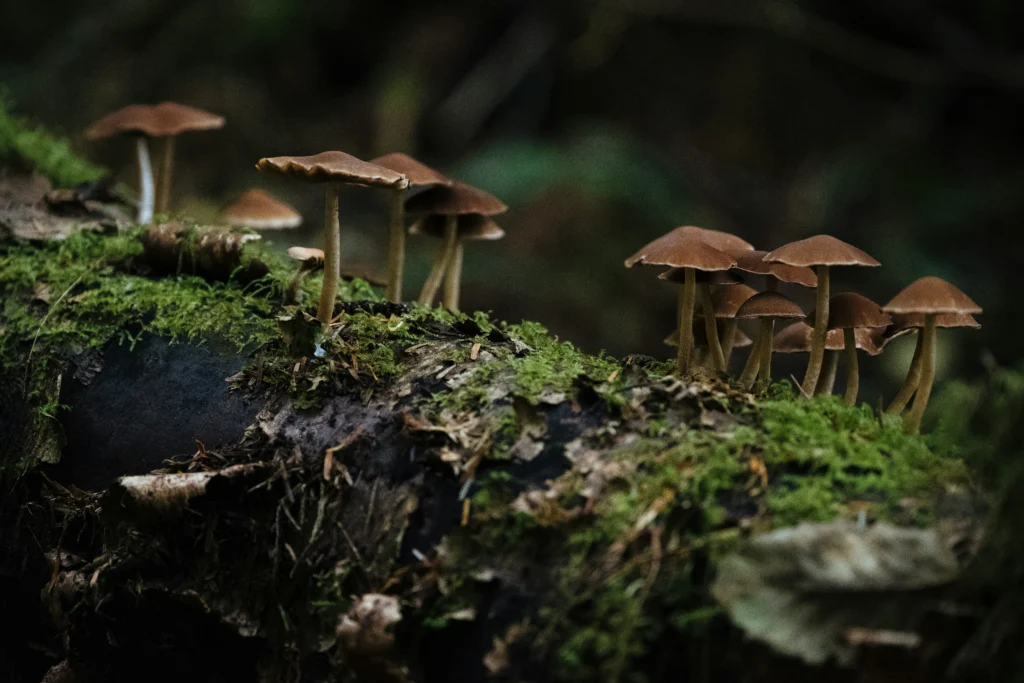
Fungi-based biopesticides include helpful species that either kill insect pests or make plants resistant to diseases. Beauveria bassiana infects insects by adhering to their outer body and then growing inside until the insects die. In contrast, different species of Trichoderma promote plant health by eliminating harmful fungi in the soil. These fungi not only manage the insect population but also enhance the soil structure and increase the plant’s resistance to diseases.
c) Viruses (e.g., NPV – Nuclear Polyhedrosis Virus)
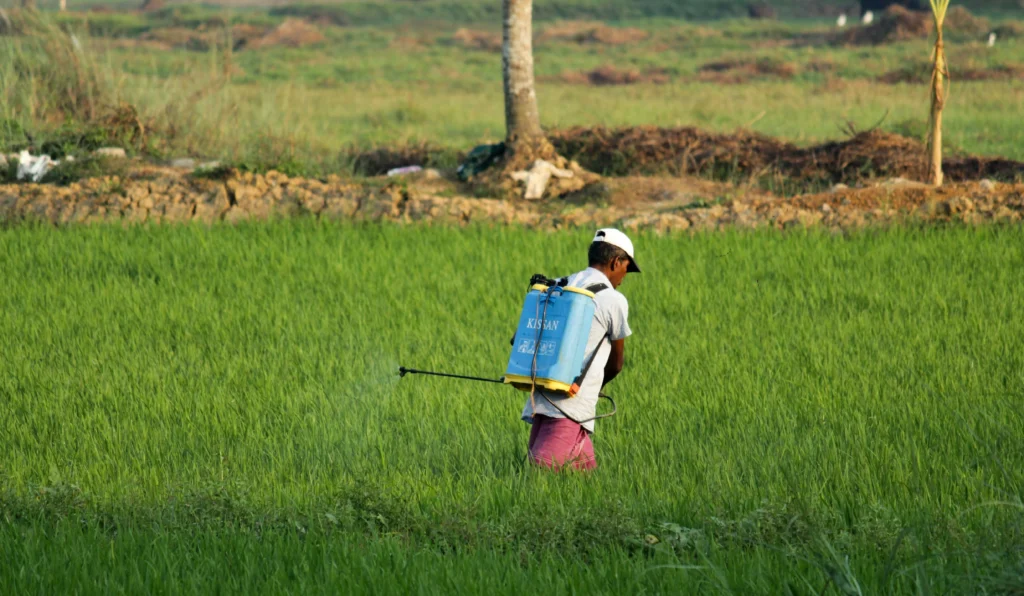
Among viruses, the Nuclear Polyhedrosis Virus (NPV) ranks as one of the most famous, and scientists mainly use it as a biocontrol agent against caterpillars and borers. Insects ingest the virus, become infected, and eventually die, which naturally reduces the pest population.
NPVs are very specific and can only infect and kill the particular insect species; thus, they remain harmless to other species. This high specificity of NPVs renders them safe for the non-target insect populace, like honeybees and ladybugs. Farmers frequently use NPVs for the cultivation of plants like cotton, vegetables, and fruits.
Plant-Based Ingredients Used in Biopesticides
a) Neem Extracts (Azadirachtin)
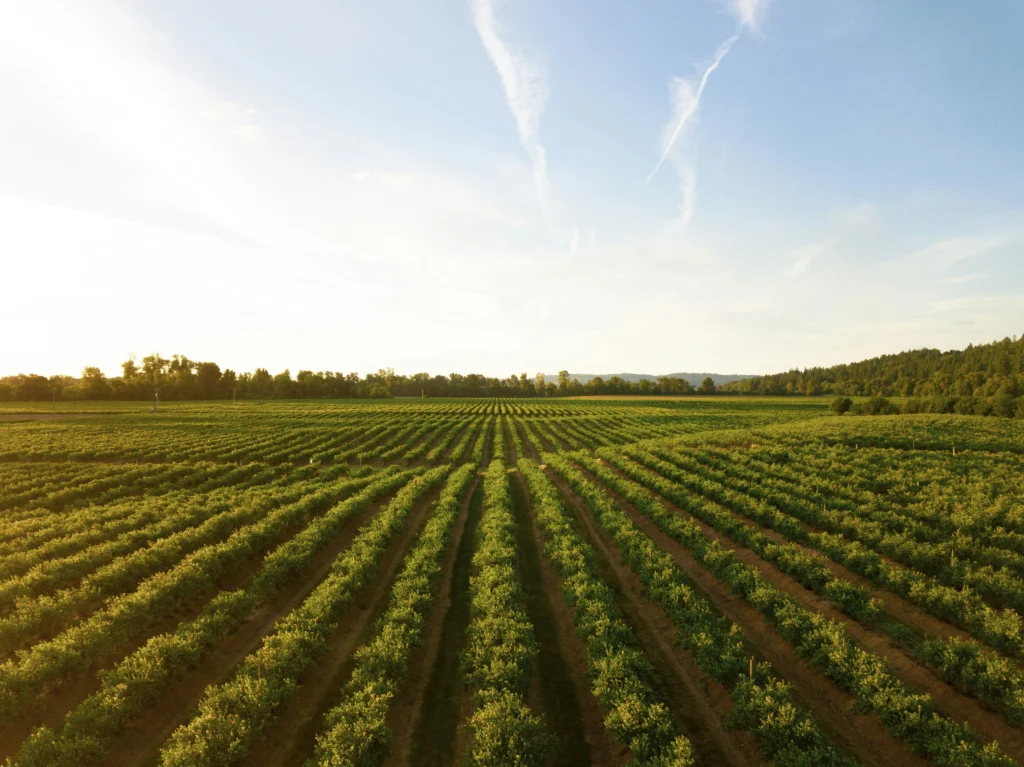
Farmers regard neem as a potent natural product in the biopesticides market, and its active ingredient, Azadirachtin, offers several positive characteristics. One of its many modes of action is that it is a fumigant, feeding prevention, and growth regulator, which causes the larvae to starve or not multiply.
Organic farming commonly uses neem biopesticides because they are safe for humans and pet animals. Moreover, their quick disappearance in the environment makes them less polluting and thus more sustainable. Neem extracts work wonders in getting rid of a variety of pests like aphids, whiteflies, and caterpillars, among many others.
b) Essential Oils (e.g., Eucalyptus, Clove, Peppermint Oils)
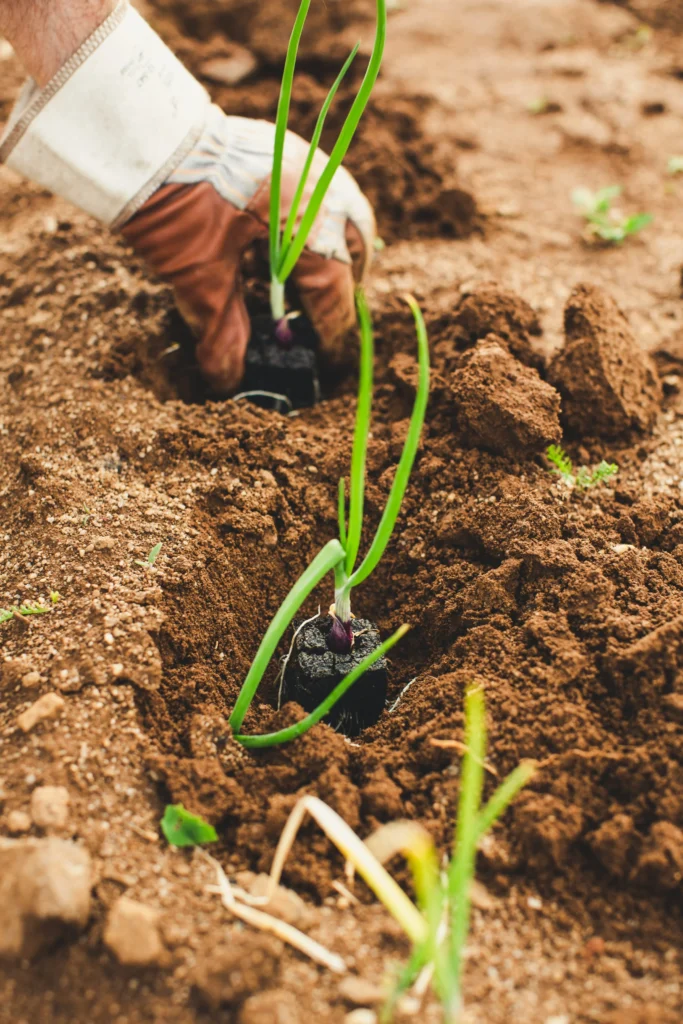
Essential oils derived from aromatic plants are pest repellents and insect control agents. The eucalyptus, clove, and peppermint oils contain chemicals that disturb the insect nervous system, causing them either to be ineffective or even to die. Moreover, these oils possess antifungal effects helpful in controlling plant diseases. Because they are natural and biodegradable, essential oils have become popular in home gardening, greenhouse farming, and organic agriculture.
Mineral-Based Ingredients in Biopesticides
a) Sulphur
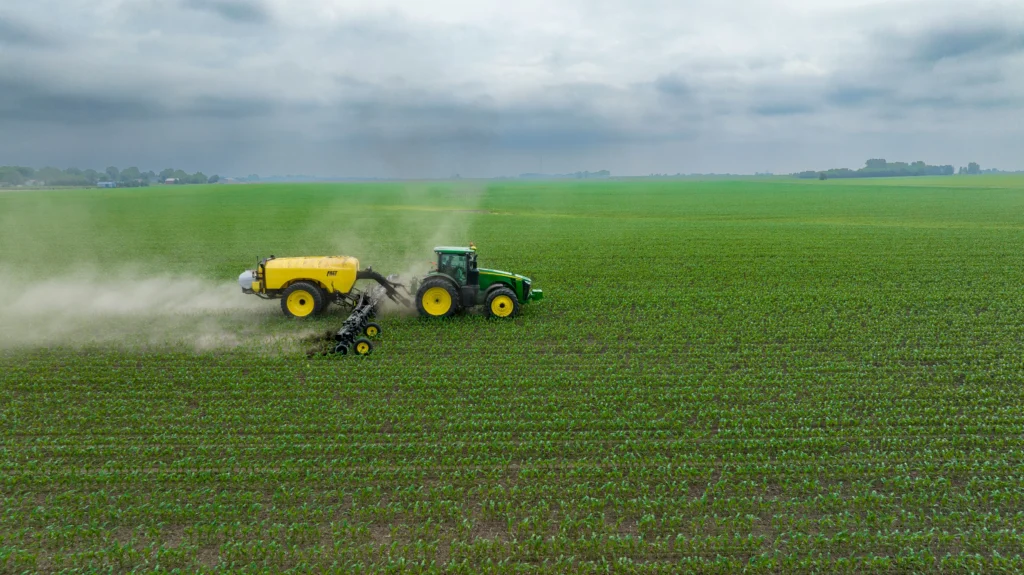
Sulfur disrupts the growth and reproduction of fungal spores and effectively combats diseases such as powdery mildew, scab, and rust. Farmers still use it because it is natural, safe, and firmly established in organic agriculture. They prefer sulfur since it acts immediately, remains economical, and carries a long history of trust among users.
b) Diatomaceous Earth
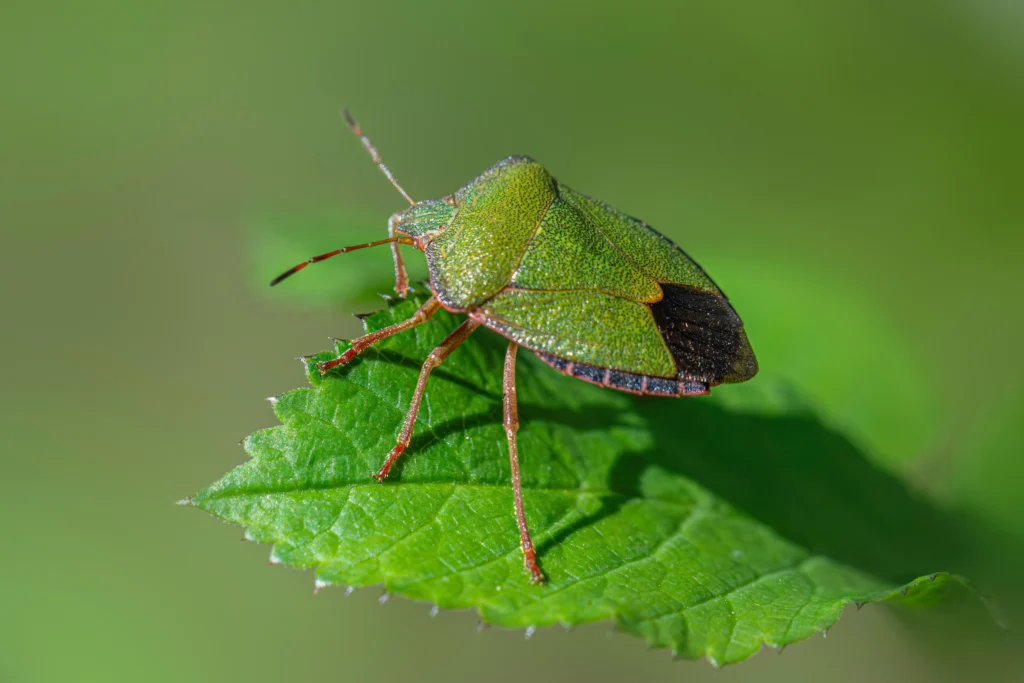
Diatomaceous Earth (DE), derived from the fossilized remains of tiny marine plants called diatoms, acts as a natural insecticide by drying insects inside their exoskeletons. Insects die because they dehydrate. DE is completely natural, and hence it is often referred to as the safest pesticide for humans and pets, so it is extensively used in areas like homes, fumigation, and farms, as it is non-toxic. Since it does not involve any chemical action, insects can’t develop resistance against it. Diatomaceous Earth proves to be very effective against ants, bedbugs, cockroaches, and other crawling bugs.
Advantages of Using Natural Ingredients in Biopesticides
a) Safer for Humans, Animals, and the Environment
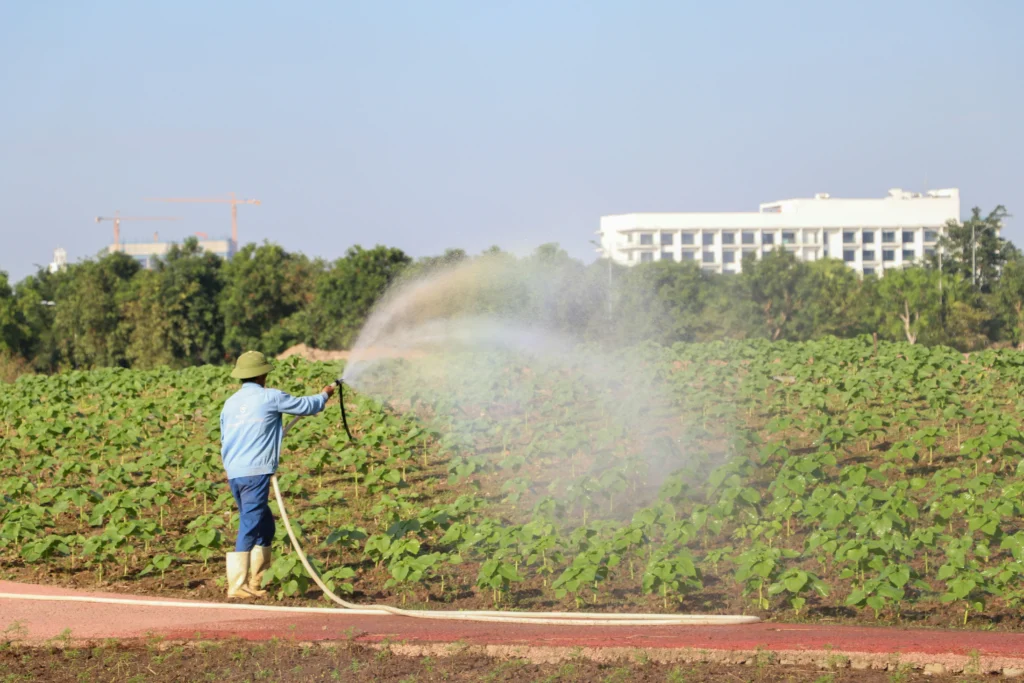
The natural ingredients utilized in biopesticides, which are obtained from plants, microbes, and minerals, are thus much safer than synthetic chemicals. They do not produce any harmful side effects for either the farmers applying them or the consumers eating the final produce.
Besides, these natural substances are also very quickly eliminated from the soil and the water, thereby causing less chance of pollution. In fact, they are ecosystem health promoters and the longevity of agricultural sustainability. Check out our latest blog post on The Benefits of Using Biopesticides Over Chemical Pesticides
b) Safe to Some of the Beneficial Insects and Biodiversity

Besides the destruction of undesirable pests, the use of chemical pesticides results in the demise of helpful insects, which leads to ecological imbalance. Natural biopesticides harm non-pest insects less, so they do not disrupt fauna and flora. Bees, ladybugs, butterflies, and earthworms remain unharmed, allowing farms to maintain a healthy balance of beneficial organisms that naturally control pests. This process allows an increase in biodiversity in the affected area and a gradual improvement in soil health.
c) Lower Risk of Pest Resistance

Natural biopesticides, on the other hand, often work through several biological pathways, making it easier for insects to not acquire resistance. This leads to the application of the solution for a longer time and the re-application during a longer period, which means that the crops are more secure and that there will be no contamination of the environment with chemical substances.
Challenges and Limitations of Natural Biopesticides
a) Slower Action Compared to Chemical Pesticides
Natural-source biopesticides act through biological processes, so they control pests more slowly than synthetic chemicals, which work instantly. This scenario can create problems for the farmers who are forced to handle the problem of pests that need to be controlled without delay. The slow action can, at times, turn off the farmers who are waiting for instant results.
b) Shorter Shelf Life and Storage Sensitivity
Natural ingredients can quickly lose their potency if not stored properly or used after the expiry date. Heat, sunlight, moisture, and poor packaging are some of the factors that can easily and quickly degrade their potency. To make sure the product is still effective, the farmer has to adhere to the storage instructions and sometimes buy small quantities to avoid spoilage. This adds to their planning and sometimes makes their cost of operation higher.
c) Target-Specific Action Requires Proper Identification of Pests
The range of pests that many natural biopesticides affect is usually limited to one or a handful, while the chemical pesticides can wipe out an entire range of pests. Hence, the application of the product would not yield the desired result if the farmer wrongly identifies the pest; thus, he/she has to be sure that the is the pest before he/she applies the product.
Incorrect usage or misidentification may result in poor performance and the farmer losing his/her effort. Hence, continuous education, awareness, and in some cases, expert consultation before the application are required.
Conclusion
The use of microorganisms, plant extracts, minerals, and the like has the power to protect crops and the earth at the same time. The demand for natural biopesticides is escalating at a very fast pace as the number of people who are concerned about food safety and environmental health is increasing.
It is now farmers, gardeners, and agricultural experts who are opting for these natural solutions as a way to cut down on the use of chemicals and to ensure the fertility of their soil and the health of their crops in the long run. Contact us as It can be concluded that with the help of continuous innovation and awareness, natural biopesticides will definitely be the future of pest control with an environmentally friendly approach.




1 Comment
Comments are closed.