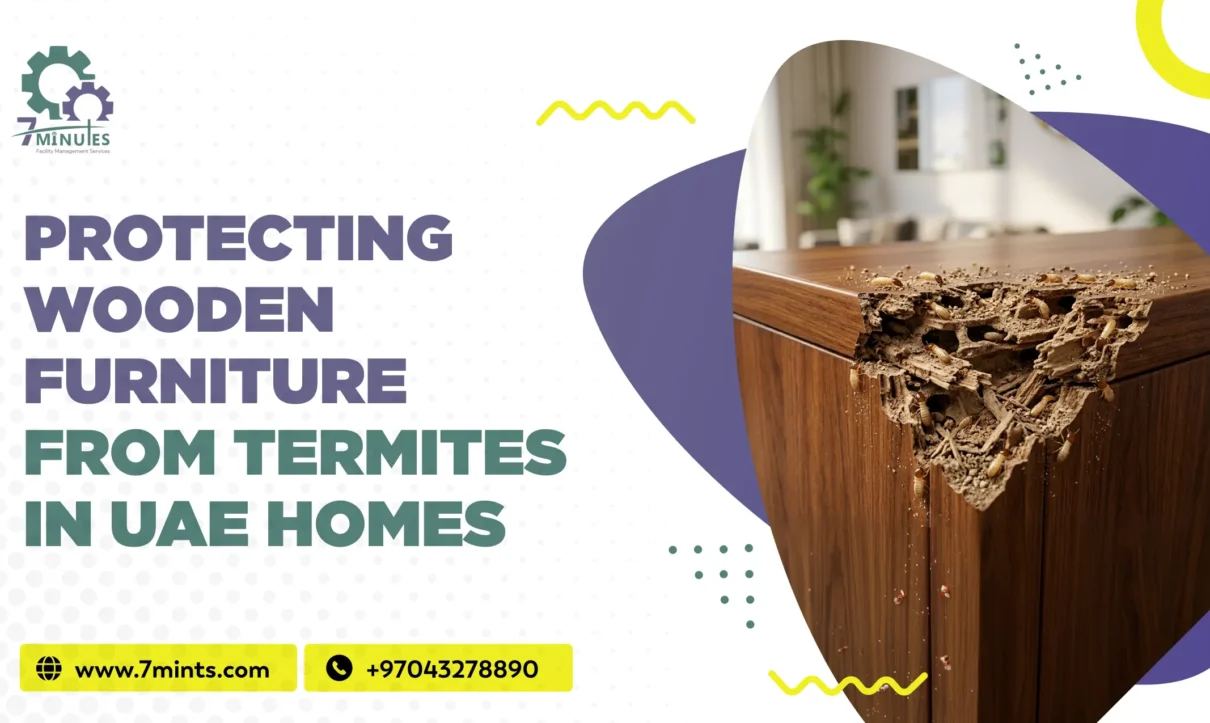
The natural beauty of wooden furniture brings permanent charm to all residential spaces, whereas the extreme climate conditions of the UAE make wooden furniture vulnerable to termite attacks. Termites can destroy your wooden furniture through structural damage, which leads to the complete destruction of its visual appeal. You can use multiple effective techniques to safeguard your furniture against these harmful insects.
-
Regular Inspection and Maintenance
People need to conduct regular inspections because it represents the most effective method to protect their wooden furniture from termite destruction. The key to termite detection depends on discovering their presence before they become visible to the public. People should visually inspect their furniture to find infestation signs, which include tiny openings and termite droppings, and areas of wood that have become soft and hollow. The earlier the termite detection occurs, the simpler and cheaper the solution becomes to address the situation. You need to inspect areas that people normally overlook, such as the furniture’s bottom section, the furniture’s connection points, and the corner sections.
The combination of regular inspections and correct maintenance work for your wooden furniture creates a shield against pest attacks. The process of cleaning and maintaining furniture results in better upkeep, which leads to reduced chances of termite attraction. You should regularly wipe the surfaces while also fixing any openings that enable termites to access the area through cracks and splits, and loose joints. Your furniture will maintain its strength because you actively handle all maintenance needs to keep your space free from pest invasions.
-
Use Termite-Resistant Wood
Purchase new wooden furniture products that use termite-resistant wood species, which include cedar, teak, and redwood. The wood type contains natural oils that repel termites and reduce infestation risk for the wood. The upfront cost of these woods exceeds regular wood prices, but their purchase protects you from expensive damage that termites would cause. Termite-resistant wood provides extra strength, which keeps your furniture looking good for many years in your home.
You can apply special termite-resistant chemicals to untreated wood when furniture replacement is not possible. Termite resistance can be improved through these treatments, which furniture users can apply to their current possessions. The products come in two forms, which include sprays and wood-absorbing formulas. The treatments require regular application to protect furniture from termites while extending its useful life. Using naturally resistant wood together with chemical treatments creates extra defense for your furniture.
-
Apply Protective Coatings
Lacquer, varnish, and paint protective coatings function as termite barriers that prevent termites from reaching wood materials. The coatings create a surface seal that makes it difficult for pests to enter. The coatings create a barrier that protects against moisture because termites prefer environments that contain dampness. The application of these coatings makes your wooden furniture less appealing to termites, which decreases the chances of an infestation. The sealed surface enables your furniture to maintain its original appearance throughout its lifespan despite constant handling.
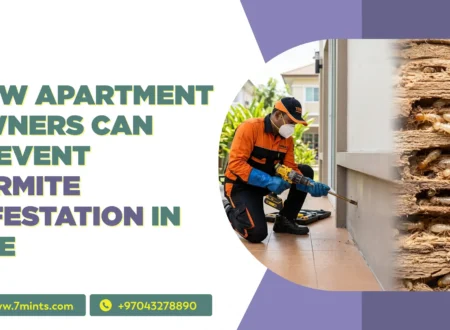
To keep these protective coatings working properly, you need to apply them again at regular intervals. The protective layer goes through natural degradation, which results in wood becoming vulnerable to termite infestation. The furniture will remain safe from damage when you perform coating touch-ups every few months or whenever necessary. The most effective results come from using premium wood protection coatings that manufacturers specifically create for this purpose. The furniture will receive extended protection, which lasts longer against both termites and environmental conditions that may damage its condition. Check out our latest blog post on How Apartment Owners Can Prevent Termite Infestation in UAE
-
Control Moisture Levels in Your Home
Homeowners need to keep their home spaces dry because termites need moist environments to survive. The high humidity levels in the UAE create conditions that enable termite infestations to occur in both residential kitchens and bathrooms and basement areas. The use of air conditioners and dehumidifiers creates a dry environment, which decreases humidity levels to make spaces less attractive for termite infestation. The indoor spaces of your home should maintain total dryness because this measure will protect your furniture while also stopping pests that need dampness to survive from entering your home.
Indoor humidity control requires two main steps, which involve fixing all plumbing and roofing leaks that result in stagnant water accumulation. The humidity around furniture increases when leaking pipes and badly sealed windows create moisture problems. Regular home inspections for leaks enable homeowners to fix issues quickly, which stops termites from accessing their ideal living conditions. The proactive method of controlling moisture in your home creates an additional protective barrier that safeguards all wood furniture items.
-
Regular Pest Control Treatments
Regular pest control treatments act as protective measures that safeguard your home and furniture from termite invasions that have not yet begun. Professional pest control companies utilize specific chemical products that effectively eliminate termite populations and their established nests to control termite infestations. The treatments establish a protective barrier that extends to your home foundation and to the soil, and to wooden furniture pieces, which need protection against termite threats. The annual application of these treatments functions as a vital measure that protects your property from termite destruction.
The market provides various DIY termite treatment products that customers can use in combination with professional termite control solutions. The products include liquid chemicals that customers need to apply directly to wood surfaces and baits that successfully draw termites to their death. DIY methods provide some effectiveness, but they lack the complete protective coverage that professional services deliver. Pest control experts provide consulting services that help you identify the most suitable treatment method to protect your home and furniture against termite invasion.
-
Remove Wooden Debris Near Your Home
Termites frequently build their nests in dead wood, which makes the wooden debris that accumulates near your home an easy nesting site for them. Termites find fallen tree branches, old furniture, and wood piles to be attractive nesting materials. The regular removal of these items from your property decreases the possibility of termites entering your home through furniture. The procedure requires you to remove the debris and follow correct disposal methods, which include burning the material or delivering it to an official disposal location. This minor action creates a barrier that prevents termites from accessing your indoor spaces.
The task requires you to remove wooden debris while maintaining a requirement that all outdoor wood storage must keep its distance from your home foundation. You must store firewood at a distance of 20 feet from your house while keeping it elevated above ground level to stop moisture from building up. The practice of maintaining distance between wooden materials and your home creates a barrier that prevents termites from accessing your property. The process of removing all potential infestation sources from your property makes it extremely difficult for termites to establish themselves in your home.
-
Install Physical Barriers
The installation of physical barriers around your home represents the most effective method for termite prevention. Termite-proof barriers create an unbreakable barrier that prevents termites from passing through sand, steel mesh, and crushed rock materials. The installation of fine mesh around your home foundation and sand base around your wooden furniture will effectively block termite entry. The use of these barriers establishes permanent defense systems that protect newly constructed homes and undergo complete protection throughout their building process.
The barriers require ongoing maintenance to maintain their operational functionality. The experience reductions in their protective functions because they face various threats, which include shifting, wearing down, and sustaining damage throughout their existence. The barriers require ongoing inspections to identify any areas that need repairs in order to sustain their original condition. The combination of physical barriers with chemical treatments creates a protective system that safeguards your wooden furniture and home from termite infestations.
Conclusion
Termite protection for wooden furniture in the UAE needs both constant monitoring and active measures. Contact us as The combination of regular inspections with the selection of termite-resistant materials, protective coating applications, moisture control methods, and professional pest control services leads to a significant decrease in termite infestation risks.