

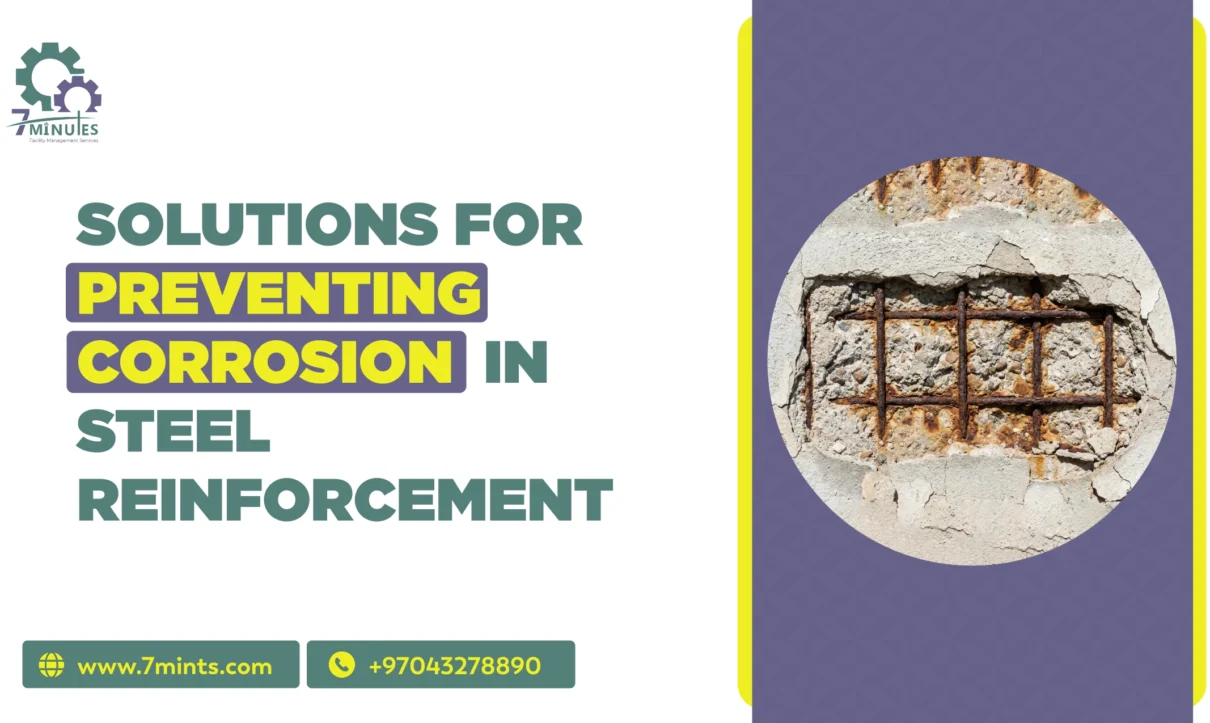
Steel reinforcement plays an essential role in modern construction by providing strength and stability to concrete structures. It is widely used in buildings, bridges, roads, foundations, parking structures, and other infrastructure projects. However, exposure to moisture, oxygen, chlorides, and environmental pollutants can cause steel reinforcement to deteriorate over time.
Corrosion weakens reinforcing steel, reduces its cross-sectional area, and can cause concrete cracking, surface damage, and structural deterioration. Preventing these problems requires proper material selection, concrete protection, construction practices, and regular inspections.
Understanding effective solutions for preventing corrosion in steel reinforcement is particularly important in regions such as the UAE, where high temperatures, humidity, coastal exposure, and saline conditions can increase corrosion risks.
1. Understanding the Causes of Steel Reinforcement Corrosion
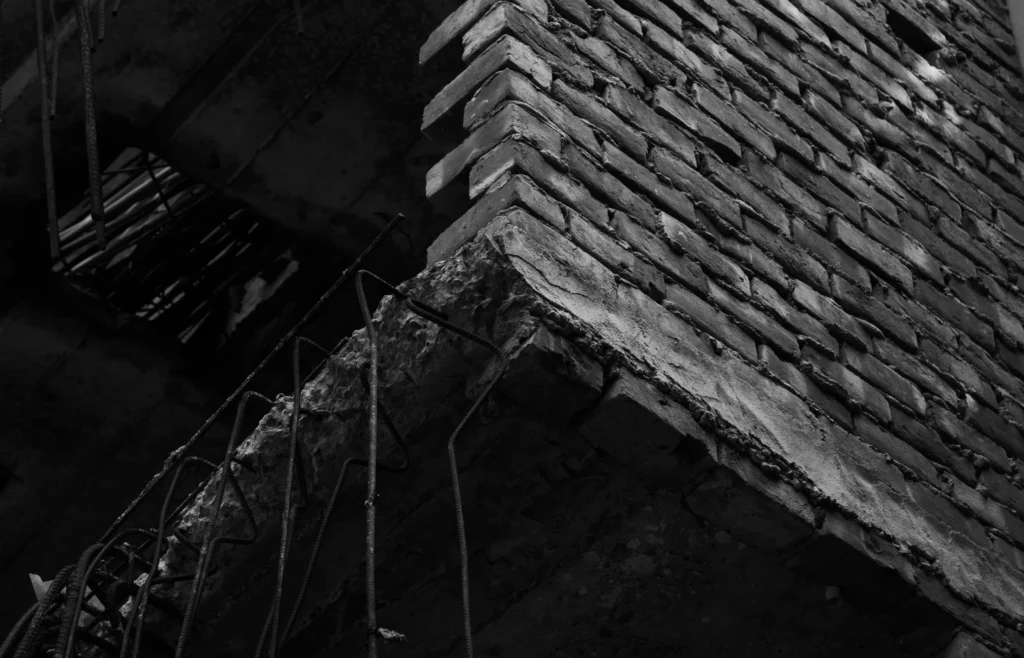
Before selecting suitable protection methods, it is important to understand the causes of steel reinforcement corrosion.
Under normal conditions, concrete provides an alkaline environment that helps protect embedded steel by forming a passive protective layer around its surface. However, this protection can break down when harmful substances enter the concrete.
- Moisture penetration: Water entering concrete can support the electrochemical reactions responsible for corrosion.
- Chloride exposure: Chlorides from seawater, de-icing salts, and contaminated materials can damage the protective layer around reinforcement.
- Carbonation: Carbon dioxide reacts with concrete constituents, gradually reducing its alkalinity.
- Poor concrete quality: Incorrect mix proportions, excessive water content, and inadequate compaction can increase concrete permeability.
- Insufficient concrete cover: When reinforcement is placed too close to the surface, it becomes more vulnerable to environmental exposure.
Identifying these risks during the design and construction stages helps improve long-term structural performance.
Also Read: Building Repair Issues and How Professionals Fix Them
2. Understand How Reinforced Concrete Corrosion Develops
Reinforced concrete corrosion occurs when the protective environment surrounding embedded steel is compromised, allowing corrosion reactions to begin.
Two common mechanisms are chloride-induced corrosion and carbonation-induced corrosion.
Chloride-Induced Corrosion in Concrete
Chloride-induced corrosion in concrete occurs when chloride ions penetrate concrete and reach the reinforcing steel. These ions can break down the passive layer that normally protects the steel, leading to localized corrosion.
This is a major concern for coastal buildings, marine structures, bridges, and infrastructure exposed to saline environments.
Carbonation-Induced Corrosion
Carbonation-induced corrosion develops when carbon dioxide from the atmosphere penetrates concrete and reacts with its alkaline components. This process lowers the concrete’s pH and can remove the protective conditions around embedded reinforcement.
Both mechanisms can contribute to cracking, concrete delamination, and reduced structural durability if they are not properly managed.
3. Use High-Quality Concrete and Adequate Cover

One of the most effective concrete corrosion prevention methods is to improve the quality and durability of concrete itself.
Dense, properly compacted concrete makes it more difficult for water, oxygen, and chlorides to reach embedded reinforcement.
Important construction practices include:
- Maintaining the correct water-cement ratio.
- Using suitable cementitious materials and aggregates.
- Ensuring proper concrete mixing and placement.
- Using appropriate vibration and compaction techniques.
- Providing adequate concrete cover according to exposure conditions and design codes.
- Following proper curing procedures.
These practices reduce permeability and help protect steel reinforcement from aggressive environmental conditions.
Also Read: How Civil Engineering Improves Quality of Life in Urban Areas
4. Apply Anti-Corrosion Coatings to Reinforcement Steel
Coatings can create a protective barrier between reinforcing steel and corrosive substances.
An anti-corrosion coating for reinforcement steel helps reduce direct exposure to moisture, oxygen, and chlorides. The coating type should be selected according to the project’s environmental conditions and technical specifications.
Common options include epoxy coatings, zinc-based coatings, and other protective systems designed for reinforcement applications.
However, coating quality, handling, storage, transportation, and installation are important. Damaged coatings can create vulnerable areas, so inspection and proper repair procedures are necessary.
5. Consider Epoxy-Coated and Galvanized Reinforcement
Using specially protected reinforcement is another approach to improving durability in aggressive environments.
1. Epoxy-Coated Rebar
Epoxy-coated rebar is reinforcing steel covered with a protective epoxy layer. This coating acts as a barrier that helps limit contact between the steel and corrosive substances. It is commonly considered for structures exposed to chloride-rich environments. Careful handling is essential because damage to the coating can reduce its protective performance.
2. Galvanized Steel Reinforcement
Galvanized steel reinforcement is coated with zinc, which provides a protective barrier and can offer sacrificial protection if the coating is locally damaged.
It may be suitable for selected infrastructure and construction applications where additional corrosion resistance is required.
Both options should be evaluated according to exposure conditions, design requirements, construction practices, and project costs.
6. Select Corrosion-Resistant Reinforcing Steel
For structures exposed to severe environmental conditions, selecting corrosion-resistant reinforcing steel can help improve service life.
Different reinforcement materials and grades offer different levels of corrosion resistance. Stainless steel reinforcement, for example, can be suitable for demanding environments, although its initial cost is generally higher than conventional reinforcement.
Engineers should evaluate the expected exposure, structural requirements, maintenance needs, and overall lifecycle cost before selecting reinforcement materials.
Choosing the right material during the design stage can reduce future repair requirements and improve structural reliability.
7. Use Corrosion Inhibitors for Reinforced Concrete
Chemical admixtures known as corrosion inhibitors can provide additional protection to embedded reinforcement.
Corrosion inhibitors for reinforced concrete work by influencing the electrochemical reactions associated with corrosion or helping maintain protective conditions around the steel.
They may be incorporated into fresh concrete or applied through certain treatment systems, depending on the product and application.
The selection of an inhibitor should consider concrete composition, chloride exposure, compatibility with other admixtures, and manufacturer recommendations. They should complement good concrete design rather than replace adequate cover and quality construction.
8. Apply Concrete Waterproofing Solutions
Water penetration is an important factor in many corrosion problems. Therefore, effective concrete waterproofing solutions can help reduce the movement of moisture and harmful substances into concrete structures.
Common waterproofing approaches include:
- Cementitious waterproofing systems.
- Liquid-applied waterproofing membranes.
- Protective surface sealers.
- Crystalline waterproofing treatments.
- Joint sealing and crack repair systems.
Waterproofing is particularly important for foundations, basements, balconies, roofs, water tanks, and structures exposed to frequent moisture.
Selecting the correct system depends on the structure, water exposure, surface condition, and expected movement.
9. Use Protective Coatings for Steel Reinforcement and Concrete
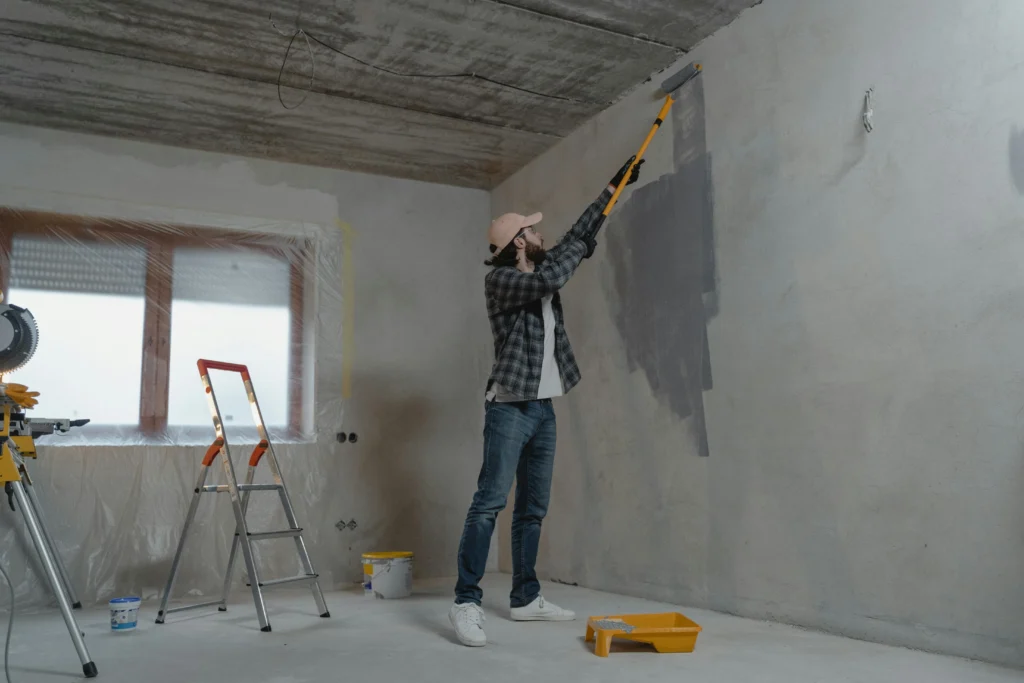
In addition to reinforcement coatings, exposed concrete surfaces may benefit from suitable protective treatments.
Protective coatings for steel reinforcement and concrete surface protection systems help limit exposure to aggressive environmental conditions.
For existing structures, protective surface coatings can reduce water absorption and chloride penetration when correctly selected and applied.
Before applying a coating, surfaces should be inspected, cleaned, and repaired where necessary. Any active corrosion or structural damage should be addressed through an appropriate repair procedure.
10. Follow Regular Reinforced Concrete Maintenance
Even well-designed structures require inspections and maintenance throughout their service life.
Effective reinforced concrete maintenance helps identify early signs of deterioration before they develop into more serious structural problems.
A maintenance programme should include:
- Checking for cracks, rust stains, and concrete spalling.
- Inspecting areas exposed to moisture and chlorides.
- Monitoring concrete surfaces and drainage systems.
- Repairing damaged waterproofing and protective coatings.
- Assessing reinforcement corrosion where necessary.
- Consulting structural specialists when significant deterioration is identified.
Regular inspections support early intervention and help reduce the cost and complexity of future repairs.
11. Steel Reinforcement Corrosion Prevention in UAE Construction
Environmental conditions in the UAE make durability planning especially important. Coastal locations, saline groundwater, high humidity, and elevated temperatures can create challenging exposure conditions for reinforced concrete structures.
Effective corrosion prevention in construction UAE requires careful material selection, suitable concrete mix design, adequate reinforcement cover, proper curing, and appropriate waterproofing systems.
Construction professionals should also consider applicable UAE regulations, project specifications, and recognized international standards.
The most effective steel reinforcement protection methods combine preventive design, quality construction, suitable protective materials, and ongoing inspection.
12. Choosing the Right Concrete Durability Solutions
Every construction project has different environmental conditions, structural requirements, and maintenance expectations. Therefore, selecting suitable concrete durability solutions requires a project-specific approach.
Engineers should assess chloride exposure, carbonation risk, moisture conditions, concrete quality, and expected service life before recommending protection measures.
Combining suitable reinforcement materials, protective coatings, corrosion inhibitors, waterproofing, and maintenance planning can provide a more reliable approach to long-term corrosion management.
Conclusion
Preventing steel reinforcement corrosion is one of the most significant measures to ensure the safety and longevity of buildings and infrastructure. Contact Us as The entire process, starting from the use of high-quality concrete and coatings to the application of corrosion-resistant steel and correct maintenance, adds to the sturdiness of the structure.
Frequently Asked Questions
Q1. What causes corrosion in steel reinforcement?
The main causes include moisture penetration, chloride exposure, carbonation, poor concrete quality, and insufficient concrete cover.
Q2. How can steel reinforcement corrosion be prevented?
Corrosion can be reduced through high-quality concrete, adequate cover, epoxy-coated or galvanized reinforcement, corrosion inhibitors, waterproofing, and regular inspections.
Q3. What is the difference between epoxy-coated rebar and galvanized reinforcement?
Epoxy-coated rebar uses a protective polymer barrier, while galvanized reinforcement has a zinc coating that provides barrier and sacrificial protection.
Q4. Why is corrosion prevention important in UAE construction?
High temperatures, coastal exposure, humidity, and saline conditions can increase corrosion risks. Appropriate protection helps improve the durability and service life of concrete structures.
Q5. Can existing reinforced concrete structures be protected from corrosion?
Yes. Depending on the damage, protection may involve crack repair, concrete removal and reinstatement, reinforcement treatment, corrosion inhibitors, and suitable surface coatings. A qualified structural professional should assess the structure before repairs begin.




1 Comment
Comments are closed.