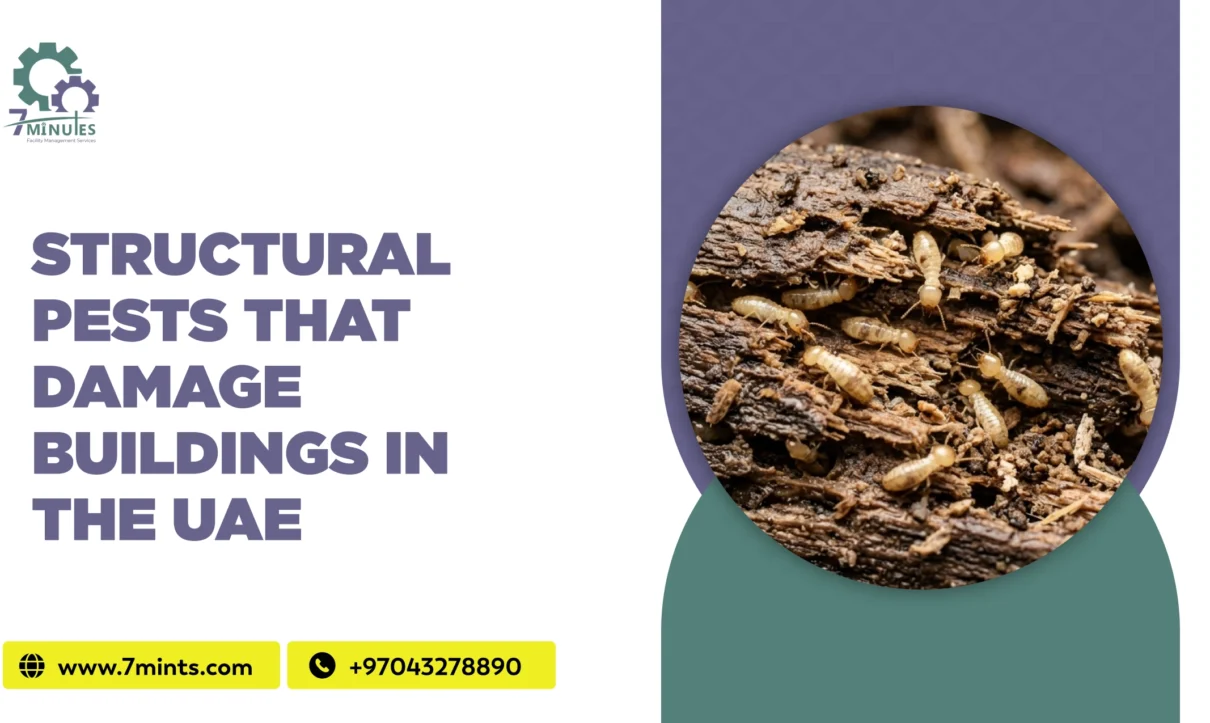
The extreme heat and humidity fluctuations present in the UAE climate create ideal conditions that enable structural pests to develop and reproduce. The pests operate in a stealthy manner, which leads to structural harm in both residential and commercial properties. The pests produce results that damage wooden structures and electrical systems, as well as insulation materials, to an extent that requires costly repairs. Property owners who study these pests completely gain knowledge, which enables them to stop infestations before their property sustains major damage.
-
Termites—The Silent Destroyers
Termites, which feed on wood and cellulose materials, represent one of the most hazardous structural pests that exist in the UAE. The insects prefer to build their nests underground or within wall spaces, which makes it hard to find their presence during the initial stages of their life cycle. The wood consumption process, which termites perform continuously, results in structural damage that extends to doors and furniture and essential load-bearing components, which creates a security risk for the complete structure.
The ability of termites to reproduce at a fast rate enables them to establish new colonies that spread through different locations without detection. The visible signs of infestation, which include hollow wood and mud tubes, first appear when the infestation has already reached an advanced stage. The process requires professionals to conduct early inspections, which lead to essential pest control measures that protect buildings from permanent structural problems and expensive restoration work.
-
Carpenter Ants—Hidden Wood Damage
Carpenter ants create nesting tunnels when they dig into wood, which gradually weakens the strength of wooden structures through their burrowing activities. The ants use wood exclusively as building material for their colonies because they do not eat the material. The tunnels that the ants dig through wood create empty areas that weaken the strength of doors, beams, and furniture items.
The ants display their strongest attraction toward wood that has become wet or rotten because such conditions exist in locations that experience both poor airflow and water intrusion. The infestation leads to building damage because it spreads throughout different sections of the structure when the problem remains untreated. The danger of carpenter ant invasions decreases when people perform routine upkeep and repair their water damage problems.
-
Rodents—Damage Beyond Structure
Rodents such as rats and mice are highly destructive pests that can damage more than just visible structures. The need to gnaw exists as a permanent requirement for them, which causes them to bite through electrical wiring, insulation, and plumbing pipes. The system creates multiple hazards because it produces short circuits, fire dangers, and water leaks, which endanger building security.
Rodents spread both physical harm and contamination through their droppings and urine, which results in unsanitary conditions and poor indoor air quality. Their ability to reproduce quickly means a small problem can turn into a large infestation within a short period. Proper waste management and sealing entry points are crucial steps to prevent rodent problems.
-
Cockroaches—Indirect Structural Impact
Cockroaches prefer to inhabit dark and damp environments that include kitchens, bathrooms, and drainage systems. The presence of these organisms shows that there are hidden problems that stem from moisture accumulation and unsatisfactory cleanliness practices. The materials in the building will start to deteriorate because of these conditions, which continue to exist.
The presence of cockroaches in a space can lead to the destruction of various materials because they will eat through paper products, which include cardboard and fabric materials. The presence of cockroaches creates an unhealthy environment for both living spaces and work areas because they transfer bacteria and allergens. The growth of these pests can be prevented through proper handling of cleanliness issues and maintaining control over moisture levels in order to safeguard the property.
-
Wood-Boring Beetles—Slow but Severe Damage
Wood-boring beetles create damage through their egg-laying process, which begins when they deposit eggs into wooden surfaces. The spores that hatch from the eggs create internal wood damage because they consume wood material for their development. The internal wood structure experiences gradual deterioration, which progresses until the resulting damage becomes visible. The building components that sustain the structure include furniture, flooring, and all wooden parts of the building.
The wood surface begins to show small holes and fine powdery dust as the infestation continues to develop. The internal damage reached an advanced stage of development when these signs appeared. The untreated wood develops cracks, which lead to structural failure under pressure. Structural damage becomes less extensive when the building undergoes early detection and professional treatment.
-
Silverfish—Damage to Interior Materials
Silverfish are tiny insects that need wet environments to survive, and they usually live in kitchens, bathrooms, and storage spaces. They consume materials that contain starch and cellulose, which exist in paper and wallpaper and specific fabric types.
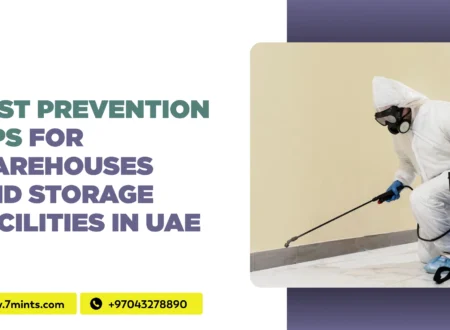
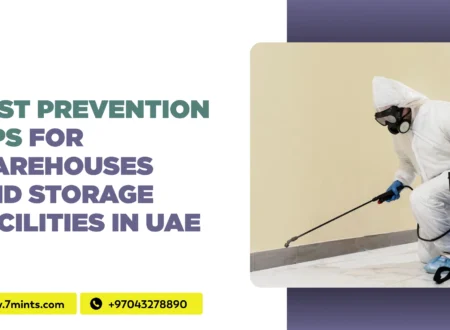
Excess moisture not only attracts silverfish but can also lead to other issues like mold growth and material deterioration. The growing infestation will lead to visible destruction of books, documents, and decorative items. The situation creates major difficulties for both offices and storage spaces. Silverfish infestations can be prevented through effective humidity management and proper building ventilation systems. Check out our latest blog post on Pest Prevention Tips for Warehouses and Storage Facilities in the UAE
-
Wasps and Bees—Structural Nesting Risks
Wasps and bees frequently choose to construct their nests in concealed spaces, which include roofs, walls, and ceiling cavities. The nests, which start as small structures, will keep growing until they develop into large nests. The construction of nests by these insects leads to dangerous situations because they create blockages that obstruct necessary building access points. The insect nests that reach their full size create an additional danger because they require special handling procedures.
The presence of wasps and bees creates safety hazards that extend beyond their ability to damage structures. When someone disturbs a nest, the bees will respond with aggression, which creates the risk of getting injured. The presence of these elements throughout the building creates areas that become unusable. The combination of professional removal services with regular inspection procedures protects both safety requirements and structural elements.
Conclusion
The structural pests of the UAE create severe damage to buildings because their detection and control need to be completed before their active presence becomes known. Each type of pest affects buildings differently, whether by directly weakening materials or indirectly causing deterioration through moisture and contamination. Contact us as the failure to address these problems will result in expensive repairs, which will create dangerous conditions for people who live or work in the area.
The prevention of infestations needs regular inspections, together with proper building maintenance and professional pest control services. The installation of entry point seals, together with proper hygiene maintenance, will help businesses decrease their chances of dealing with pest issues. A building protection system starts with proactive measures that create both structural security and safe spaces for building users.