


Pest management is an important requirement for residential properties, commercial buildings, hotels, restaurants, warehouses, and industrial facilities across the United Arab Emirates. The region’s warm climate, urban development, food storage facilities, and extensive commercial infrastructure can create favourable conditions for pests such as cockroaches, ants, flies, mosquitoes, and rodents.
Traditional pest control methods often depend on periodic inspections and treatments. Although these approaches remain useful, modern technologies are helping property owners identify pest activity earlier, monitor changes, and make more informed treatment decisions.
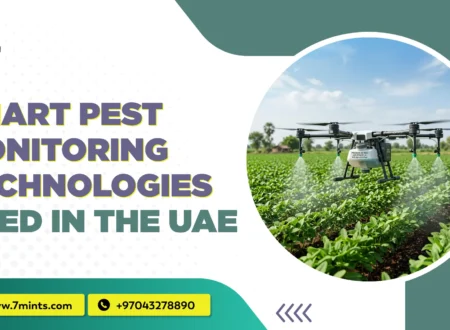
Pest monitoring technology in the UAE is evolving through connected sensors, digital reporting platforms, automated traps, artificial intelligence (AI), and remote monitoring systems. These technologies can help businesses detect potential infestations, improve operational efficiency, and support preventive pest management.
What Is Pest Monitoring Technology in the UAE?
Pest monitoring technology refers to the tools and systems used to identify, track, and assess pest activity. These technologies help pest management professionals collect information about pest presence, movement, and patterns without relying exclusively on manual inspections.
Modern pest monitoring technology UAE solutions can include digital sensors, connected traps, cameras, monitoring software, and automated alerts. Depending on the system, information may be transmitted to a central dashboard where technicians can review activity and plan suitable interventions.
These systems are particularly valuable in environments where pest activity can affect hygiene, inventory, customer experience, or regulatory compliance.
Common applications include:
- Restaurants and commercial kitchens
- Hotels and hospitality facilities
- Warehouses and distribution centres
- Food processing and storage facilities
- Offices and commercial buildings
- Residential communities and apartment complexes
By combining monitoring technology with preventive maintenance, businesses can respond to pest risks more systematically.
1. Smart Pest Control UAE: Connected Monitoring Systems
Smart pest control UAE solutions use connected devices and digital platforms to improve how pest activity is monitored and managed.
Instead of depending entirely on scheduled visits, these systems can provide information between inspections. Some devices detect movement, while others record trap activation or environmental conditions associated with pest activity.
For example a warehouse may install connected monitoring devices near loading bays, storage areas, and waste disposal points. When a device records activity, the information can be sent to a dashboard for review.
Benefits of Smart Pest Control Systems
- Faster identification of potential pest activity
- Improved visibility across large facilities
- Better maintenance and inspection planning
- Digital records for reporting and analysis
- More targeted pest control interventions
Smart monitoring does not eliminate the need for professional inspections. Instead, it provides additional information that helps technicians make better decisions.
2. Digital Pest Monitoring UAE
Digital pest monitoring UAE systems replace or supplement paper-based inspection records with electronic data collection and reporting.
Technicians can use mobile applications, digital inspection forms, QR codes, and centralised dashboards to document monitoring points and record pest activity.
For example a hotel can maintain digital records for kitchens, storage rooms, guest service areas, and waste collection zones. Managers can review inspection history, identify recurring problems, and track whether recommended corrective actions have been completed.
Digital monitoring platforms may also support photographs, service reports, location-based records, and task assignments.
This approach can improve communication between property managers and pest control providers while reducing the time spent preparing manual reports.
3. Automated Pest Monitoring Systems
Automated pest monitoring systems use electronic or mechanical devices to record pest activity with reduced reliance on manual observation.
Depending on the product, automation may involve motion sensors, electronic trap notifications, image capture, or scheduled data transmission.
These systems can be useful in locations that require frequent monitoring, such as food production facilities, logistics centres, and large commercial buildings.
For instance, an automated trap may notify a technician when it has been activated. The technician can then assess the information and arrange an inspection if necessary.
Automation can help improve monitoring consistency, but the accuracy and functionality of each system depend on its design, installation, maintenance, and the pest being monitored.
4. IoT Pest Monitoring UAE
The Internet of Things (IoT) connects physical devices to digital networks, allowing them to transmit information for analysis.
IoT pest monitoring UAE solutions may use connected sensors, electronic traps, gateways, and cloud-based software to collect pest monitoring data from different locations.
A large commercial facility could use connected devices to monitor selected areas across multiple floors or buildings. The collected information can be consolidated into a central system, allowing pest management teams to identify areas that require closer attention.
How IoT Monitoring Works
- Sensors or connected traps collect activity data.
- Devices transmit information through a supported network.
- Software records and organises the information.
- Alerts notify authorised users when configured conditions are met.
- Technicians investigate the reported activity and take appropriate action.
The availability of remote connectivity depends on network coverage, battery life, device compatibility, and the system’s technical specifications.
5. Smart Pest Monitoring Systems With Real-Time Alerts
Smart pest monitoring systems can provide notifications when a device detects activity or when a configured threshold is reached.
Depending on the technology, alerts may be delivered through mobile applications, email, text messages, or dashboard notifications.
These systems support real-time pest monitoring UAE applications by helping staff become aware of potential problems without waiting for the next scheduled inspection.
For example, if a monitoring device records rodent activity near a food storage area, the responsible team can investigate the location and check for entry points, damaged packaging, or sanitation issues.
It is important to distinguish between an instant notification and confirmed pest identification. Some alerts indicate that a sensor has been triggered rather than proving which pest caused the activity.
6. AI Pest Detection UAE
Artificial intelligence is becoming an additional tool for analysing pest monitoring information.
AI pest detection UAE solutions may use image recognition, computer vision, or pattern analysis to help identify insects and interpret activity recorded by cameras or connected devices.
For example, a camera-based system may capture images of insects near a monitoring station. AI software can analyse the images and classify potential pest activity, depending on its training data and capabilities.
- Faster review of large volumes of monitoring data
- Assistance with identifying recurring pest patterns
- Automated classification of certain insects
- Support for prioritising inspections
- Improved reporting across multiple locations
AI systems can make classification errors, especially when images are unclear or species look similar. Human verification remains important when identification affects treatment decisions.
7. Smart Rodent Monitoring Systems
Rodents can cause food contamination, property damage, and operational disruption in commercial environments. Traditional monitoring methods, such as bait stations and mechanical traps, remain important components of rodent management.
Smart rodent monitoring systems add digital monitoring features to selected traps or monitoring stations. Depending on the device, these features may include activation notifications, remote status reporting, or electronic records.
Businesses can use digital rodent monitoring Dubai solutions in warehouses, restaurants, hotels, and other facilities where early awareness of rodent activity is valuable.
Digital monitoring can help teams identify recurring activity near loading areas, waste storage points, and building entrances. However, monitoring devices must be positioned correctly and maintained according to the manufacturer’s instructions.
Rodent control should also include sealing entry points, removing food sources, maintaining waste areas, and investigating structural defects.
8. Wireless Pest Monitoring Devices and Sensors
Wireless pest monitoring devices transmit information without requiring a dedicated wired connection at every monitoring point. They may use technologies such as Wi-Fi, Bluetooth, cellular connectivity, or low-power wireless networks.
Meanwhile, pest monitoring sensors UAE solutions can detect selected events or conditions, depending on their design. Some systems focus on trap activation, while others monitor environmental factors that can contribute to pest risks.
Wireless systems can simplify installation in large or complex facilities. However, businesses should evaluate connectivity, battery replacement requirements, signal reliability, and ongoing maintenance costs before investing.
9. Smart Insect Traps and Electronic Pest Control Systems UAE
Smart insect traps UAE solutions can combine conventional trapping mechanisms with electronic monitoring, image capture, or automated activity reporting.
These devices may help monitor flying insects in suitable indoor environments, including selected food production areas, commercial kitchens, and warehouses.
The term electronic pest control systems UAE also covers different types of electronic equipment marketed for pest management. However, electronic monitoring devices and electronic pest-repelling products are not the same thing.
Monitoring systems collect information about pest activity, while repelling devices aim to discourage pests. Their effectiveness varies by technology, pest species, and environment. Businesses should assess evidence and manufacturer specifications rather than assuming all electronic devices provide reliable pest control.
10. Commercial Pest Control Technology Dubai
Commercial properties often need a coordinated approach because pest activity in one area can affect an entire operation.
pest control technology Dubai solutions may combine digital inspection tools, automated monitoring stations, electronic traps, connected sensors, and reporting software.
For example, a food distribution warehouse may establish monitoring points around receiving docks, storage aisles, waste areas, and external access points. The collected information can help the pest management team identify trends and prioritise inspections.
When selecting a system, commercial property managers should consider:
- The size and layout of the facility
- The pest species being monitored
- Device coverage and connectivity
- Integration with existing reporting software
- Maintenance and service requirements
- Staff training and reporting procedures
The most suitable system is one that supports the facility’s actual pest risks rather than simply offering the largest number of digital features.
11. Integrated Pest Management UAE and Data-Driven Decisions
Technology works best when combined with Integrated Pest Management (IPM).
Integrated pest management UAE practices combine inspection, monitoring, sanitation, exclusion, environmental management, and targeted treatment. The aim is to prevent pest problems and select appropriate interventions based on evidence.
With data-driven pest management UAE, monitoring records can help businesses identify recurring activity, compare locations, and evaluate whether corrective actions are working.
For example, repeated alerts near a loading bay may indicate damaged door seals or poor waste management. Correcting the underlying issue can help reduce future pest activity more effectively than repeatedly treating the same location without investigating the cause.
Digital records can also support trend analysis, maintenance planning, and communication between facility managers and pest control professionals.
12. Advanced Pest Control Solutions UAE: Choosing the Right Technology
Advanced pest control solutions UAE providers may offer different combinations of monitoring devices, reporting platforms, automated alerts, and professional treatment services.
Before selecting a solution, businesses should establish their main objectives. A small restaurant may need digital inspection records and targeted monitoring, while a large warehouse may benefit from connected devices across multiple zones.
- Assess pest risks: Identify the pests, locations, and operational risks relevant to the property.
- Choose suitable devices: Select monitoring tools designed for the pest species and environment.
- Check reporting features: Confirm whether the platform offers useful alerts, reports, and historical records.
- Evaluate maintenance: Understand battery replacement, calibration, cleaning, and device servicing requirements.
- Train staff: Ensure employees know how to interpret alerts and report potential issues.
- Review results: Measure whether monitoring improves response times, inspection efficiency, and pest prevention.
Technology should support a broader pest management strategy, not replace sanitation, structural maintenance, or professional assessment.
Frequently Asked Questions
Q1. What is pest monitoring technology?
Pest monitoring technology includes devices and software used to detect, record, and analyse pest activity. Examples include electronic traps, sensors, connected monitoring stations, digital reporting applications, and camera-based detection systems.
Q2. What are the benefits of smart pest control in the UAE?
Smart pest control can improve visibility into pest activity, provide alerts between scheduled inspections, maintain digital records, and help technicians prioritise areas that need attention. Results depend on the technology selected and how effectively it is maintained.
Q3. How does IoT pest monitoring work?
IoT pest monitoring uses connected devices to collect and transmit information to a software platform. The platform may display monitoring results, generate alerts, and help users review activity across multiple locations.
Q4. Can AI detect pests accurately?
AI can help classify insects or analyse monitoring images, but accuracy varies according to image quality, species, training data, and device capabilities. Human verification may be needed before deciding on a treatment.
Q5. Is digital rodent monitoring useful for warehouses in Dubai?
Yes. Digital rodent monitoring can help warehouse teams identify activity at selected monitoring points and investigate recurring problem areas. It works best when combined with sanitation, building maintenance, exclusion measures, and professional inspections.
Q6. What is the difference between pest monitoring and pest control?
Pest monitoring identifies and tracks pest activity, while pest control involves measures used to prevent, manage, or eliminate pests. Monitoring helps determine where and when intervention may be necessary.
Q7. Are smart insect traps suitable for restaurants?
They can be suitable when selected for the target pest and installed in appropriate locations. Businesses must ensure devices do not compromise food safety, hygiene, or operational requirements and should follow applicable local rules.
Q8. How can businesses choose a pest monitoring system in the UAE?
Businesses should evaluate the pest species, facility size, monitoring coverage, connectivity, reporting features, maintenance costs, and compatibility with their pest management programme. Professional advice can help identify the most appropriate solution.
Conclusion
The pest monitoring systems used in the UAE today have reached a higher level of development through the implementation of AI, IoT, and data-driven technology solutions. The new technologies enhance pest control operations through improved efficiency while creating safer and more eco-friendly operational methods. Contact Us as businesses and homeowners are now focusing on prevention rather than reaction, which helps reduce long-term costs and health risks for their operations.
The UAE establishes itself as a leader in intelligent pest management solutions by implementing modern pest monitoring technologies. The organization uses smart sensors, remote monitoring systems, and artificial intelligence-based solutions to develop protection systems that maintain cleanliness and safety while keeping pests away.



1 Comment
Comments are closed.