

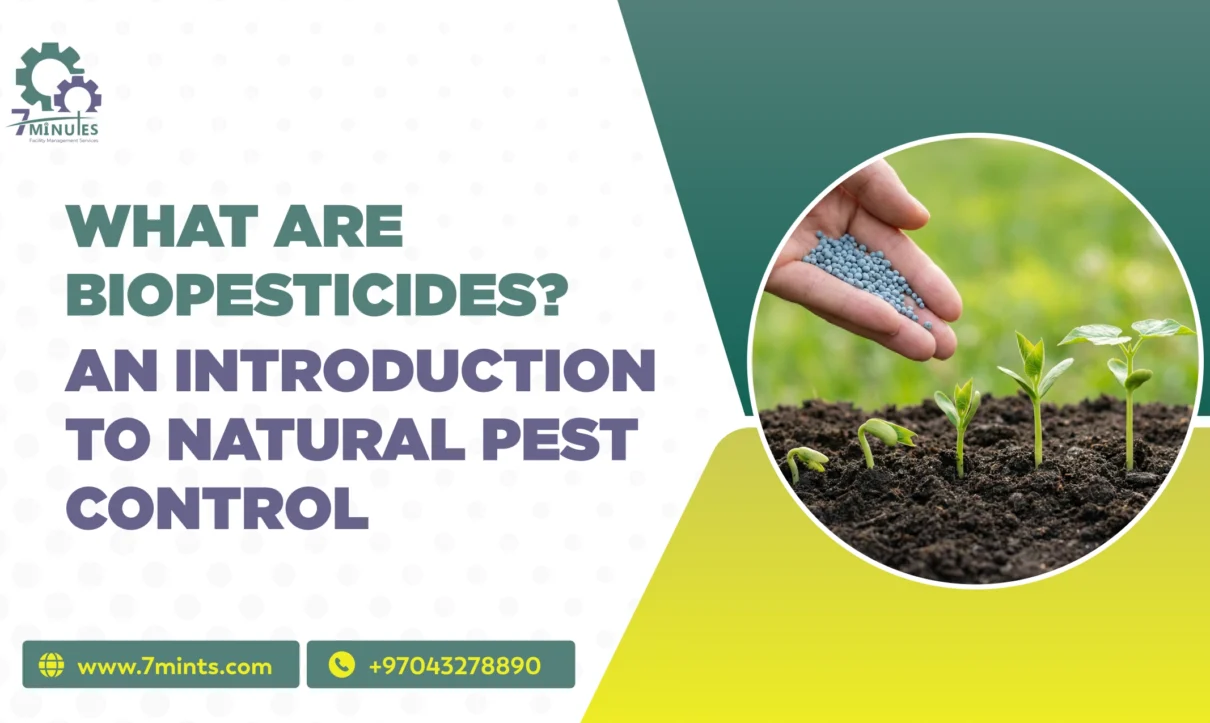
Today’s agriculture is moving towards environmentally friendly solutions that would benefit not only the ecosystem but also the consumers and farmers. Although chemical pesticides are very effective, they come with a price, and that is the long-term damage to soil, water contamination, and toxic residues on the food. Thus, agriculture is envisaging a life without pesticides and is looking for ways to do it through less polluting and more sustainable methods. Among the modern pest control solutions of the day, biopesticides have become the most trusted option.
One source of biopesticides is biological sources, and these include plants, microorganisms, and naturally occurring minerals. This article is a deep dive into biopesticides, their composition, operation mechanism, types, and advantages, along with some of the challenges and their rising importance in eco-friendly farming practices.
What Are Biopesticides?
Derived from Natural Sources
They are also called biopesticides, and they are developed from natural materials such as bacteria, plants, fungi, and minerals. Their ingredients exist in nature and hence do not bring any hazardous minerals into the soil or crops. Since these are coming from nature, they are the most recommended for prolonged agricultural use.
They work through nature’s way of destroying the pests and hence are good not only for small-scale farmers but also for large commercial operations.
Safer Alternative to Synthetic Chemicals
Synthetic pesticides are usually made up of toxic compounds, whereas biopesticides are non-toxic and are broken down fast, and thus leave only minute residues. This means that there will be very little or no contamination in the soil, water, and the produce that is already harvested. The farmers working in such areas have relatively safer working conditions, as the risk to their health is less due to the low toxicity of the chemical during the application and handling.
Their safety profile cooperates with the organic farming and cleaner food production trends that are taking place across the world.
Specific Targeting of Pests
Many of the biopesticides are meticulously formulated to deal with a particular pest or disease, thus making them precise to an extent greater than chemical pesticides. The protection of beneficial organisms, such as bees, butterflies, and soil microbes, which are crucial for the healthy growth of crops, is the positive outcome of this specificity.
Insecticides that act only on targeted pests lower the risk of pulling the ecosystem out of balance, which is a major drawback that comes with the use of broad-spectrum chemical pesticides.
Types of Biopesticides
Microbial Biopesticides
Microbial biopesticides consist of microorganisms, such as bacteria, fungi, and viruses, as their main ingredients. Microorganisms that are part of nature normally infect or inhibit pests without causing harm to the health of humans or non-target insects. The toxins they release or the method of competing with the pest for space and nutrients form their mode of action, which is usually through the production of toxins or the method of competing with the pest for space and nutrients.
One of the well-known examples is Bacillus thuringiensis (Bt), which is lethal to caterpillars and larvae. As a result, the use of microbial biopesticides can be considered an effective and biologically safe choice.
Botanical Biopesticides
Botanical biopesticides are the products of plant extracts and essential oils. The disallowance of pests through the giant neem, pyrethrum, and eucalyptus plants is the result of their natural compounds that repel insects, prevent feeding, or disrupt pest growth. The breakdown of these compounds takes place quickly, and they do not accumulate in the environment for extended durations.
Moreover, Neem oil is the botanical biopesticide that has gained the most widespread application in the organic and sustainable farming practices due to its multifunctional properties that include repelling, inhibiting egg laying, and imitating larval development. These features make botanical biopesticides ideal for organic and sustainable farming practices.Check out our latest blog post on How Civil Engineering Improves Quality of Life in Urban Areas
Biochemical Biopesticides
Many biopesticides are precisely tailored to the particular pest or disease, thus yielding a higher precision level than the use of chemical pesticides in most cases. This very feature of biopesticides has positively contributed to the safeguarding of beneficial organisms, bees, butterflies, and soil microbes, which are very much needed for the crops’ healthy growth.
Classes of Biopesticides
Microbial Biopesticides
Microbial biopesticides are prepared with microorganisms as the main components, like bacteria, fungi, and viruses. The microbes of the environment usually infect or hinder the pests while being harmless to the people and the non-target insects. The two main modes of action for the microorganisms are the production of toxins and the competition for space and nutrients.
A very popular example of Bacillus thuringiensis (Bt), which proves fatal for the caterpillars and larvae, has come to the forefront as a result of microbial biopesticides being regarded as an effective and safe choice biologically.
Botanical Biopesticides
Botanical biopesticides originate from the extraction of plant materials and essential oils. The prohibition of pest infestations in the case of neem, pyrethrum, and eucalyptus plants, among others, is through their natural compounds that have insect-repelling and feeder-preventing functions, along with growth disruption. These compounds are broken down rapidly and thus do not remain in the environment for long periods.
Biochemical biopesticides are essentially the opposite of chemical pesticides; instead of killing the pests, they simply influence their behavior. Have you seen how they attract and trap insects using pheromones that interfere with their mating cycles? These substances control insects that have not been born by using non-toxic means.
Among others, essential oils and plant extracts are great examples of non-chemical means, and they also act as a barrier that prevents feeding. As these non-toxic mechanisms make biochemical pesticides safe for humans and the environment, they are more or less non-partisan.
What are the strategies for applying the biopesticides?
Providing Natural Repellents
Several biopesticides contain natural compounds that repel the pests by giving out smells or flavors that the insects cannot tolerate. The insects, therefore, are deterred from feeding on the crops, which leads to a decrease in the chances of their invasion. The repellent strategy is less aggressive, as it does not kill the target pest, and hence it is safer for the populations of good insects. Neem oil and garlic extract are popular natural repellents that are commonly employed in organic agriculture.
Highly Specific Targeting
Biopesticides are often very effective and target only specific pests or groups of insects, so their use is more environmentally responsible. This targeted action avoids harming pollinators, natural predators, and other beneficial organisms that are part of the plant growth process. Furthermore, this precision greatly decreases the risk of pest resistance, which is the case with chemical pesticides that affect a wide variety of species.
Interrupting Pest Reproduction Cycles
Some biopesticides operate by disrupting the pest’s reproductive capacity. This method limits pest populations naturally over time. It allows turning the area into a manageable one where pests cannot multiply rapidly, thus cutting down on the number of chemical sprays.
Benefits of Using Biopesticides
Safe for Humans and Animals
They are also the cause of minimal exposure to harmful chemicals, thus protecting farmers and agricultural workers. Their almost nonexistent residue on crops guarantees safe consumption for end users. This characteristic makes biopesticides very appropriate for organic food production and home gardening.
Environmentally Friendly
The biopesticides in nature rapidly degrade, and their use has also been welcomed as the pollution of soil, groundwater, and ecosystems close to nature has been reduced. The process of biosorption that takes place naturally prevents damage to soil and topsoil in the long term. The use of biopesticides has reduced chemical usage, and thus, the burden of pesticide residue on the planet’s soil has been eliminated. With the growing concern over the health of the environment, the chemical-free nature of biopesticides makes them part of the solution to environmental problems.
Preserve Beneficial Organisms
The specificity of biopesticides is so high that even bees, earthworms, and ladybugs, along with microorganisms that are important to pollination and soil fertility, are protected. All these beneficial species contribute to the process of natural pest control and make the crops more resilient to pests and diseases in general. One more thing that biopesticides do besides these is that they keep the agricultural ecosystem healthy.
Promote Soil Fertility
Pesticides made from synthetic chemicals have a tendency to eliminate soil microbes and thus, eventually, the quality of the soil is lowered. On the contrary, biopesticides do nothing but enhance the natural biological processes that are happening in the soil. They support the growth of good bacteria and fungi that, in turn, make nutrients available to the crops.
Soil that is rich in Organic matter leads to stronger plants and, hence, higher-quality crop yields.
Ideal for Organic and Sustainable Farming
Biopesticides comply with the strict regulations of organic certification, thus proving to be a boon for organic agriculture. Farmers using them are able to lessen their dependence on artificial agrochemicals and, at the same time, adapt various environmentally friendly methods of farming. Their combination with IPM strategies makes them both efficient and ecologically correct. As the trend of opting for organic produce by customers is going up, biopesticides are, therefore, important in fulfilling the requirements of the market.
Limitations of Biopesticides
Slower Results Compared to Chemicals
Biopesticides reveal their efficacy more slowly because they function through natural processes, unlike chemical pesticides. However, the industry should be patient with farmers who are expecting immediate pest control because the environmental impact is tremendously positive for the whole duration of the pest control. Farmers must take great care and plan their application far in advance, considering the anticipated pest outbreaks, in order to achieve effective control.
Weather Conditions
Some biopesticides may become less efficient under severe weather conditions, such as heavy rains, high temperatures, or strong sunlight; they may seriously affect some biopesticides’ efficacy. Such situations can either destroy the active substances or hinder their efficacy on plant surfaces due to diminished persistence.
Proper Handling and Storage Required
Store biopesticides carefully because they contain living microorganisms or natural compounds with active elements. Wrong storage conditions can make biopesticides ineffective or even cause them to expire.Therefore, farmers and distributors must practice the right storage. Training and proper handling always guarantee maximum effectiveness during application.
Shorter Shelf Life
Because biopesticides come from natural sources, they have a shorter shelf life than synthetic pesticides. Farmers must plan carefully and apply them promptly to ensure that no product goes to waste.Producers and distributors need to have good inventory management in place so as not to compromise the quality of the product.
How Farmers and Gardeners Use Biopesticides
Foliar Spray Application
Spraying biopesticides on leaves and stems of plants is the most common method of application. This effectively prohibits insects from feeding on the top of crops. Besides, the foliar spray allows the active ingredients and the pests to have direct contact, which significantly increases the overall effectiveness. Perfect dilution and widespread application give rise to uniform results in the whole field.
Soil Treatment and Drenching
Farmers apply some biopesticides to the soil to control pests that attack plant roots or remain buried. This application improves root health by preventing fungal infections and killing harmful larvae.During the early stages of growth, soil application even helps in strengthening the plant growth. Soil drenching is a must for those crops that are very prone to diseases caused by organisms in the soil.
Seed Coating
This deposits a protective layer over the seeds against disease, soil pests, and early infections. Seed coating guarantees that crop protection starts from the very beginning of the cycle. This practice also cuts down the necessity for multiple pesticide applications later in the season.
Using Pheromone Traps
Farmers place pheromone-based biopesticides in traps to both track and diminish the number of pests. The traps lure the targeted insects and stop them from breeding. This gives farmers insight into the pest numbers and allows them to intervene at the right moment.
Popular Biopesticides Used Today
Neem Oil
There are different botanical biopesticides, but neem oil is the most versatile and one of the most widely used. It is acting as a repellent, feeding-inhibiting substance, and a growth-regulating agent, all at once. Natural phytochemicals present in neem oil interfere with the development of insects, thus preventing them from laying eggs as well. Due to its biodegradability, neem oil is suitable for organic farming.
Bacillus thuringiensis (Bt)
Bacillus thuringiensis (Bt) is a microbial pesticide that is able to specifically and effectively target caterpillars and larvae. With no feeding, the larvae and caterpillars die soon. It is a predominantly effective choice for vegetable farming and the conditions of a greenhouse.
Beauveria bassiana
This is one of the species of fungi that cause death to their host by infecting them and feeding on them. The attack is first made on soft-bodied insects like aphids and whiteflies, followed by hard-bodied ones such as beetles. The fungus, once it has bound to an insect’s body, grows inside and eventually kills it. It is a common practice to use this fungus in the production of organic vegetables as well as in greenhouses.
Future of Biopesticides
Rising Demand for Organic and Chemical-Free Food
With health benefits and food quality becoming the main determinants for consumer choices, the trend is now to buy organic. Biopesticides are a necessary part of the production chain in such farms. In all likelihood, even if the demand for organic food rises, the supply of biopesticides will grow correspondingly.
Technological Advances in Agriculture
Biotechnology and the agricultural industry are making very good use of biopesticides that are more stable, effective, and resistant to climatic conditions. The new biopesticides not only offer better performance but also a longer storage life. In the long run, innovation will open the door to more reliable and widespread use of biopesticides.
Government Policies Supporting Sustainability
The governments in the world have started to support the adoption of eco-friendly farming practices through monetary or non-monetary means such as subsidies, training programs, and awareness campaigns.This very help makes the use of biopesticides in conventional agriculture quicker.
Conclusion
Biopesticides are a strong sign of an important change in in management towards ecological and sustainable agriculture. They come from nature, and that is one of their biggest advantages; you can use them as a very efficient alternative to chemical pesticides while keeping the soil, beneficial insects, and human beings unspoiled.
Although they might need more careful handling and be slower than chemicals, the long-term benefits definitely outweigh these drawbacks. Biopesticides will be a necessity and Contact us if we want to have a safe, productive, and eco-friendly food system, as agriculture is slowly but surely moving towards cleaner and more organic practices.





1 Comment
Comments are closed.