
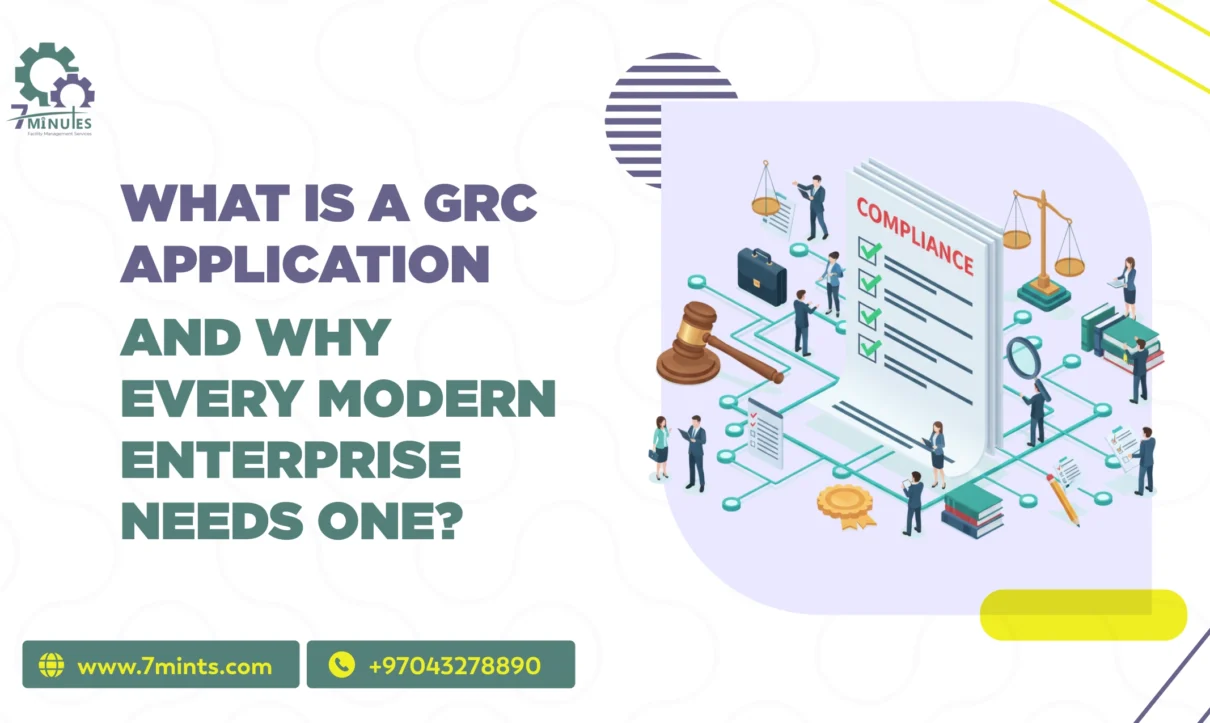
Modern enterprises operate in an increasingly complex business environment. They must manage operational risks, meet regulatory requirements, protect sensitive information, maintain transparency, and ensure accountability across departments. Handling these responsibilities through spreadsheets and disconnected systems can create communication gaps, compliance issues, and unnecessary administrative work.
This is where a GRC application becomes valuable. GRC stands for Governance, Risk, and Compliance. It provides a structured approach to managing business policies, identifying risks, monitoring compliance, and improving organizational decision-making. For businesses aiming to strengthen their internal processes, adopting Governance Risk and Compliance software can make risk and compliance management more organized, efficient, and measurable.
What Is a GRC Application?
A GRC application is a digital solution that helps organizations manage governance activities, assess business risks, and maintain compliance with applicable laws, regulations, and internal policies. Instead of managing these responsibilities separately, businesses can use one centralized system to coordinate their processes.
A modern GRC management platform brings together important functions such as risk assessments, policy management, internal audits, compliance monitoring, and reporting. It helps management teams gain better visibility into organizational activities and understand where improvements are needed.
For organizations with multiple departments, locations, or business operations, GRC software for enterprises can create a consistent approach to managing responsibilities and monitoring potential issues.
Why Do Modern Enterprises Need a GRC Application?
As businesses grow, their operational and regulatory responsibilities also increase. Managing these requirements manually can become difficult, particularly when information is spread across different teams and systems.
A GRC application helps address these challenges through centralized information, standardized workflows, and improved reporting.
1. Better Enterprise Risk Management
Every organization faces risks related to operations, finance, technology, suppliers, employees, and market conditions. Identifying these risks early helps businesses prepare appropriate responses.
Using enterprise risk management software, organizations can document potential threats, evaluate their likelihood and impact, assign responsibilities, and monitor mitigation activities. Integrated risk assessment tools also help teams prioritize risks that require immediate attention.
This approach supports better planning and helps management make informed business decisions.
2. Simplified Regulatory Compliance
Businesses may need to follow industry-specific regulations, data protection requirements, financial standards, and other legal obligations. Tracking these requirements manually can increase the possibility of missed deadlines or incomplete documentation.
Compliance management software helps organizations organize regulatory requirements, assign compliance responsibilities, maintain supporting records, and monitor progress. A dedicated regulatory compliance software solution can also help teams identify changes in applicable requirements and assess whether internal processes need updating.
A centralized compliance tracking system makes it easier to review compliance activities and identify outstanding tasks.
3. Stronger Corporate Governance
Good corporate governance promotes transparency, accountability, ethical business practices, and responsible decision-making. It also helps define who is responsible for specific activities and approvals.
Digital governance management solutions allow organizations to manage policies, responsibilities, approvals, and governance-related documentation in a structured environment. Similarly, corporate governance software can support consistent oversight and provide management teams with better visibility into organizational processes.
These capabilities help enterprises establish clear procedures and strengthen accountability across departments.
4. Improved Internal Audit Management
Internal audits help organizations evaluate whether their processes, controls, and policies are working effectively. However, coordinating audit schedules, collecting evidence, documenting findings, and tracking corrective actions can require significant time.
Internal audit management software helps streamline these activities by organizing audit plans, assigning tasks, storing evidence, and recording findings. With audit and compliance automation, businesses can reduce repetitive administrative work and improve the consistency of audit-related processes.
This makes it easier for audit teams to monitor progress and communicate important findings to management.
Key Features of a Modern GRC Management Platform
A reliable GRC solution should support different governance, risk, and compliance activities through a connected system. Important features include:
- Risk assessment and monitoring: Helps identify, evaluate, prioritize, and track business risks.
- Policy management: Centralizes policies, procedures, approvals, and review schedules through policy management software.
- Compliance tracking: Monitors regulatory requirements, assigned responsibilities, and compliance activities.
- Audit management: Organizes audit schedules, documentation, findings, and corrective actions.
- Automated workflows: Uses GRC automation tools to support reminders, approvals, task assignments, and reporting.
- Dashboards and reporting: Provides management with an overview of risks, compliance status, and outstanding activities.
- Access controls: Helps manage access to sensitive business information according to assigned responsibilities.
These features allow organizations to coordinate multiple activities without relying on disconnected tools.
The Role of GRC in IT and Cybersecurity Risk Management
Technology has become essential to modern business operations, but it also introduces risks involving data security, unauthorized access, system failures, and cyber threats.
An effective GRC strategy should include IT risk management software capabilities to help organizations document technology-related risks, monitor controls, and establish accountability for IT security activities.
It also supports cybersecurity risk management by connecting security policies, risk assessments, compliance requirements, and incident-related processes. This gives businesses a more structured way to understand their security responsibilities and monitor potential vulnerabilities.
A GRC application does not replace dedicated cybersecurity tools. Instead, it helps connect cybersecurity risks with the organization’s broader governance and compliance framework.
Benefits of GRC Automation for Growing Businesses
As enterprises expand, the volume of policies, risk records, audits, and compliance requirements often increases. Manual processes can become difficult to maintain at scale.
Using GRC automation tools helps organizations reduce repetitive administrative tasks and establish consistent workflows. Automated notifications, task assignments, approval processes, and reporting can improve coordination between departments.
Some important GRC application benefits include:
- Centralized information: Keeps important governance, risk, and compliance records organized in one platform.
- Improved visibility: Helps management understand current risks and compliance responsibilities.
- Better accountability: Assigns ownership for tasks, policies, and corrective actions.
- More efficient audits: Simplifies evidence collection, documentation, and audit tracking.
- Consistent processes: Encourages standardized workflows across departments.
- Informed decisions: Provides organized information to support business planning and risk-related decisions.
These advantages make GRC platforms useful for organizations seeking scalable business risk management solutions and stronger enterprise compliance solutions.
How to Choose the Right GRC Application
Selecting the right GRC application requires understanding your organization’s size, industry, regulatory environment, and operational requirements.
Before choosing a solution, consider the following factors:
- Business requirements: Identify the governance, risk, audit, and compliance activities that need support.
- Scalability: Select a platform that can accommodate additional users, departments, and business operations as the organization grows.
- Integration capabilities: Check whether the application can connect with existing business and technology systems.
- Automation features: Evaluate whether workflows, notifications, and reporting can reduce manual work.
- Data security: Review access controls, data protection features, and available security measures.
- Reporting capabilities: Ensure that dashboards and reports provide useful information for management and audit teams.
- Ease of use: Choose a solution that employees can understand and use effectively.
A well-selected GRC platform should align with business objectives rather than simply add another software system.
Conclusion
A GRC application is an important tool for modern enterprises that want to manage governance, risks, and compliance more effectively. By bringing risk assessments, policy management, audit activities, and regulatory monitoring into a centralized environment, businesses can improve visibility and establish more consistent internal processes.
Whether an organization is strengthening cybersecurity oversight, improving internal audits, or managing regulatory responsibilities, the right GRC management platform can support better coordination and informed decision-making. As business operations become more complex, investing in structured GRC practices can help enterprises build stronger, more accountable, and resilient operations.
Frequently Asked Questions
Q1. What does GRC stand for?
GRC stands for Governance, Risk, and Compliance. It refers to an integrated approach to managing organizational governance, identifying risks, and meeting regulatory and internal requirements.
Q2. What is the main purpose of a GRC application?
A GRC application helps businesses centralize risk management, compliance monitoring, policy administration, and audit activities in one organized system.
Q3. Is GRC software suitable for small and medium-sized businesses?
Yes. Small and medium-sized businesses can use GRC software to organize policies, monitor risks, track compliance responsibilities, and establish consistent processes as they grow.
Q4. How does GRC software improve compliance management?
It helps organizations document regulatory requirements, assign responsibilities, monitor compliance activities, maintain evidence, and track outstanding actions.
Q5. Does a GRC application improve cybersecurity?
A GRC application supports cybersecurity risk management by helping businesses document technology risks, monitor security-related controls, and connect cybersecurity policies with wider governance and compliance activities.







1 Comment
Comments are closed.