

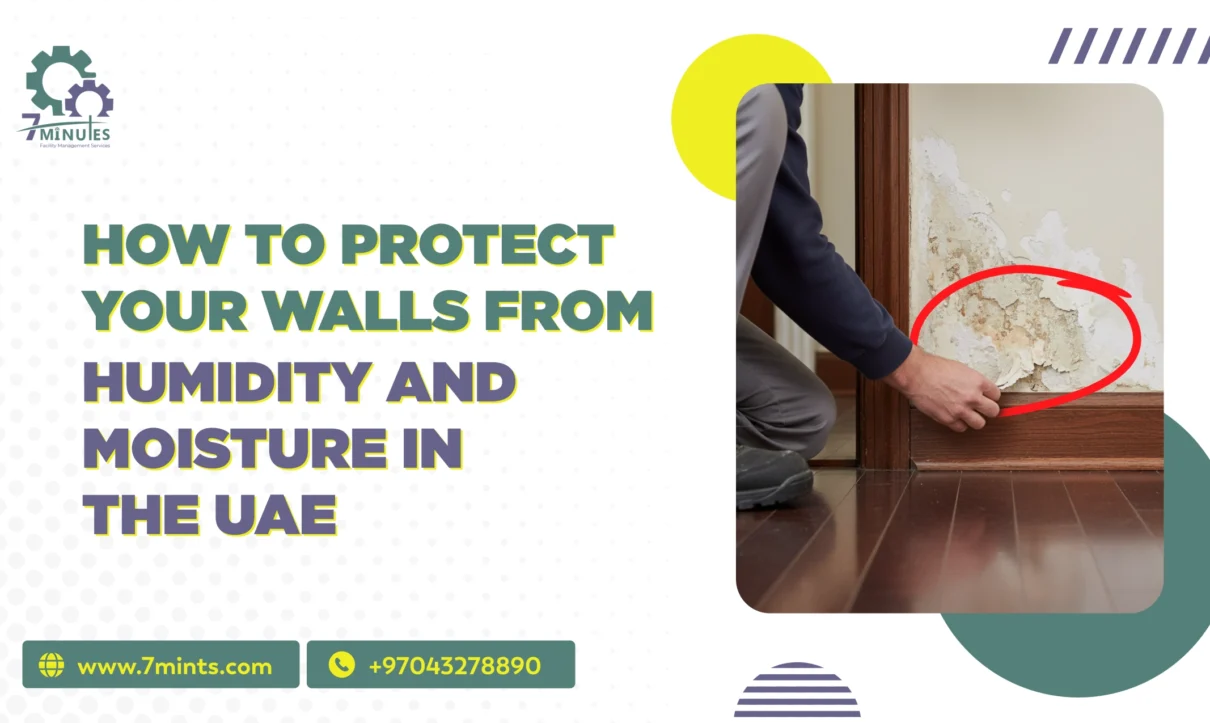
Humidity is a common challenge for residential and commercial properties across the UAE. High moisture levels, condensation, water leakage, and temperature differences can gradually affect wall surfaces, paint finishes, and building materials. Without proper maintenance, these issues can lead to damp patches, peeling paint, unpleasant odours, and mould growth.
Whether you own an apartment, villa, office, or commercial building, protecting walls from moisture is essential for maintaining property quality and indoor comfort. Effective wall humidity protection UAE requires suitable waterproofing solutions, regular inspections, proper ventilation, and high-quality protective materials.
1. Understand the Common Causes of Wall Humidity in the UAE
Before choosing a moisture protection solution, it is important to understand what causes dampness in buildings. Humidity can enter walls through several sources, including water leakage, poor waterproofing, condensation, and plumbing problems.
Some common causes include:
- Water leakage from bathrooms, kitchens, and plumbing systems.
- Poor waterproofing on roofs, balconies, and exterior walls.
- Condensation caused by differences between indoor and outdoor temperatures.
- Inadequate ventilation in enclosed spaces.
- Cracks in walls that allow moisture to enter.
- Damaged protective coatings and ageing paint.
Understanding these issues helps property owners choose suitable wall dampness solutions Dubai and prevent recurring damage.
2. Invest in Professional Wall Waterproofing
Waterproofing is one of the most effective ways to protect walls from moisture penetration. Proper waterproofing creates a protective barrier that reduces water absorption and prevents dampness from spreading through building materials.
Professional wall waterproofing services UAE can help identify vulnerable areas and recommend suitable waterproofing treatments for different surfaces.
For exterior walls, balconies, bathrooms, and other moisture-prone areas, selecting appropriate waterproofing materials is particularly important.
Exterior wall waterproofing UAE solutions can protect buildings against rainwater penetration, surface moisture, and environmental exposure. Property owners should also inspect existing waterproofing systems regularly to identify damaged areas before they cause further problems.
3. Apply Effective Damp Wall Treatment
Damp patches, peeling paint, and discoloured surfaces are common signs of moisture problems. Simply repainting these areas without addressing the underlying cause may result in recurring damage.
Professional damp wall treatment UAE typically begins with identifying the moisture source, assessing the affected surface, and selecting the appropriate repair method.
Depending on the condition of the wall, treatment may involve:
- Removing loose and damaged paint.
- Repairing cracks and damaged plaster.
- Addressing plumbing or waterproofing leaks.
- Applying suitable damp-proofing products.
- Allowing the wall to dry properly before repainting.
Proper wall moisture treatment UAE helps restore affected surfaces and reduces the chances of recurring dampness.
4. Maintain Proper Indoor Moisture Control
Indoor humidity can affect walls, ceilings, furniture, and other building components. Maintaining suitable indoor conditions is therefore an important part of property maintenance.
Effective moisture control for walls Dubai involves improving ventilation, managing indoor humidity, and addressing moisture sources.
Property owners can follow these practices:
- Use exhaust fans in bathrooms and kitchens.
- Ensure air-conditioning systems are maintained properly.
- Avoid allowing water to accumulate near walls.
- Improve airflow in enclosed rooms.
- Use dehumidifiers in areas with persistent moisture problems.
- Repair leaking pipes and plumbing connections promptly.
These measures support interior wall moisture protection and help maintain comfortable indoor environments.
5. Prevent Mould Growth on Walls
Mould can develop in areas where moisture remains for extended periods. Bathrooms, kitchens, storage rooms, and poorly ventilated spaces may be particularly vulnerable.
Effective mould prevention on walls UAE requires controlling moisture rather than simply removing visible mould.
Property owners should clean affected surfaces using appropriate products and identify the source of dampness. Persistent mould problems may require professional assessment and treatment.
Using anti-mould paint Dubai can provide additional protection when applied to properly prepared and dry surfaces. However, anti-mould coatings should not be treated as a replacement for repairing leaks or resolving underlying moisture problems.
6. Choose Humidity-Resistant Paint and Protective Coatings
Paint quality plays an important role in maintaining wall appearance and protecting surfaces from environmental conditions.
Using humidity resistant wall paint UAE can help improve the durability of interior and exterior wall finishes in moisture-prone areas.
Property owners should consider the following when selecting wall coatings:
- Choose products suitable for the intended surface.
- Select moisture-resistant coatings for appropriate indoor areas.
- Prepare walls properly before painting.
- Repair cracks and damaged plaster before application.
- Follow manufacturer instructions for drying and curing.
A suitable waterproof wall coating Dubai can provide an additional protective layer against moisture penetration when used as part of a complete waterproofing system.
7. Repair Wall Cracks and Water Leakage Immediately
Small wall cracks may appear harmless, but they can allow water to enter building surfaces. Over time, moisture penetration can damage plaster, paint, and other construction materials.
Timely wall leakage repair Dubai helps prevent moisture from spreading and reduces the need for extensive restoration work.
Professional wall crack and leakage repair UAE services can identify the source of the problem and recommend appropriate solutions.
It is important to remember that filling a visible crack without addressing the underlying leakage may only provide a temporary improvement.
8. Follow Regular Building Humidity Control Practices
Preventing moisture damage requires continuous monitoring and maintenance. A structured building humidity control UAE programme helps property owners identify early warning signs and maintain building conditions.
Regular maintenance should include:
- Inspecting walls and ceilings for damp patches.
- Checking plumbing connections for leakage.
- Inspecting exterior walls and waterproofing systems.
- Maintaining air-conditioning and ventilation equipment.
- Checking window and door seals.
- Monitoring areas with recurring condensation.
Addressing condensation problems in UAE buildings is particularly important in air-conditioned spaces where temperature differences can contribute to moisture formation on surfaces.
9. Invest in Professional Damp Proofing Services
Some moisture problems require specialised treatment, particularly when dampness affects large wall areas or repeatedly returns after repairs.
Professional damp proofing services Dubai can help assess the source and extent of moisture penetration and recommend suitable solutions.
Depending on the building condition, treatment may include waterproof membranes, protective coatings, crack repairs, and other damp-proofing methods.
Experienced technicians can also recommend suitable materials for different building surfaces, helping property owners avoid unnecessary repairs and repeated maintenance expenses.
10. Schedule Regular Residential Wall Maintenance
Preventive maintenance is one of the most effective ways to protect residential properties from long-term humidity damage.
Regular residential wall maintenance UAE helps identify peeling paint, cracks, damp patches, mould growth, and other early warning signs.
Property owners should arrange periodic inspections, especially in bathrooms, kitchens, balconies, and exterior-facing rooms.
Working with professional wall protection services UAE also helps ensure that appropriate materials and repair techniques are used for different wall conditions.
Conclusion
Protecting walls from humidity in the UAE requires a combination of proper waterproofing, moisture control, quality paint, ventilation, and regular maintenance. Ignoring small damp patches or cracks can lead to larger problems, including mould growth, damaged plaster, and expensive restoration work.
By investing in suitable damp-proofing treatments, repairing leaks promptly, and scheduling regular property inspections, homeowners and facility managers can improve wall durability and maintain their property’s appearance.
A proactive approach to humidity protection not only reduces maintenance requirements but also helps create safer, cleaner, and more comfortable indoor environments.



1 Comment
Comments are closed.