The coastal cities of the UAE, which include Dubai, Abu Dhabi, and Sharjah, have gained international recognition because of their high-end buildings and active business sector. The cities experience coastal humidity, which creates ideal conditions for pest populations to increase. This blog examines the way humidity in coastal regions increases pest populations, which negatively affects both residential areas and business locations.
-
The Relationship Between Humidity and Pest Behavior
The air humidity measure establishes the amount of water vapor present in the atmosphere, which coastal cities in the UAE experience through their proximity to extensive water bodies. Numerous pests, including insects, rodents, and termites, are drawn to wet areas because these locations support their reproduction processes. The damp environment provides pests with the essential humidity requirement, which enables them to thrive. Termites depend on humidity for their reproduction and survival, which means they use moist areas as their preferred locations for breeding.
-
Increased Pest Reproduction Rates
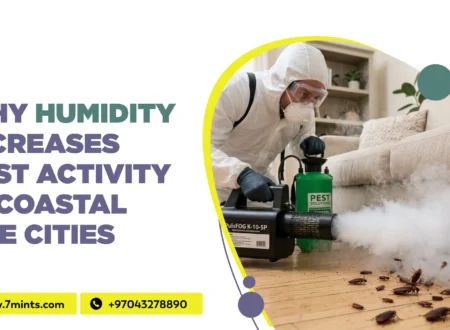
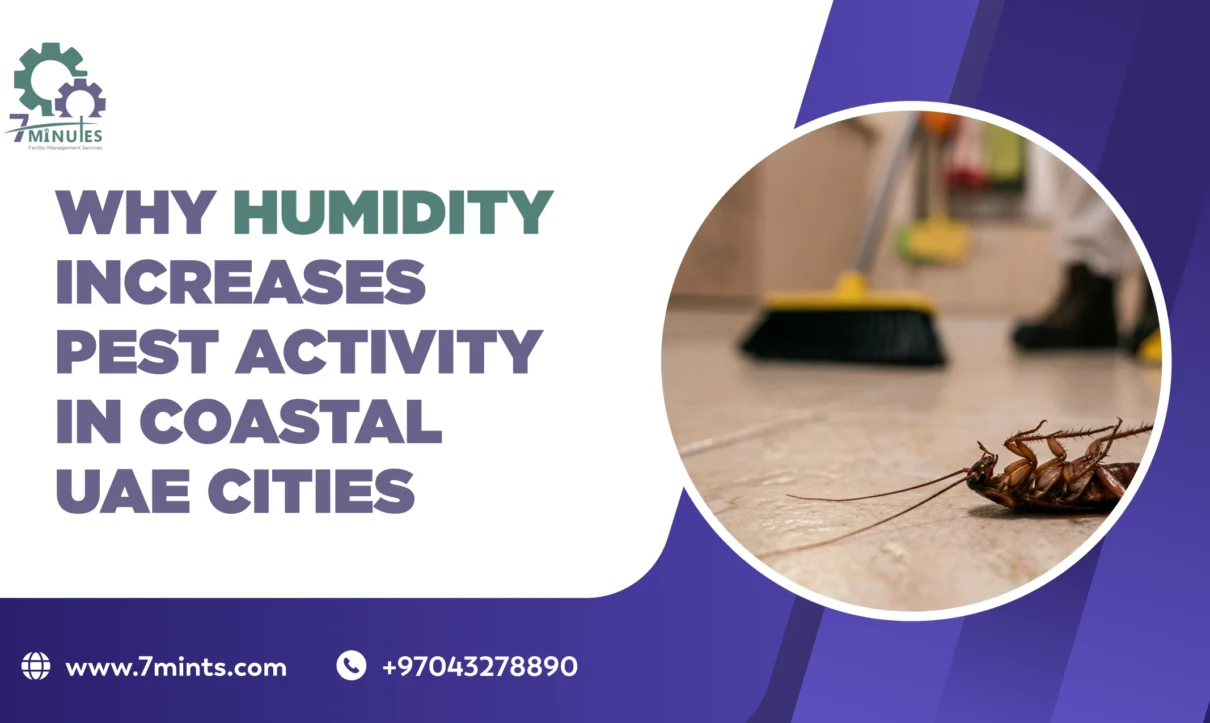
Mosquitoes use standing water, which exists in puddles, drainage areas, and containers, as their breeding locations. The coastal cities of the UAE experience humid weather conditions, which create multiple mosquito breeding locations that result in increased mosquito populations. Cockroaches prefer to breed in damp areas, which include kitchens and bathrooms, thus causing an increase in their presence within urban residences.
-
Mold Growth and Attraction of Fungal Pests
Mold growth depends on humidity as its primary factor because mold creates conditions that attract specific pest species, which include mold mites and ants. The pests enter the environment because they seek the organic material that decomposes in moldy areas. Coastal cities experience wet conditions, which lead to indoor moisture problems that result in mold growth throughout walls, ceilings, and concealed spaces. The presence of mold not only worsens indoor air quality but also invites pests that feed on or inhabit it, creating a challenging situation for pest control.
-
Rodent Infestations Due to Increased Moisture
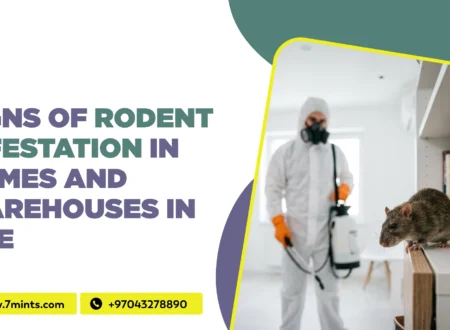
The preference of rodents for dark and wet spaces leads them to use damp environments as their nesting sites. The combination of high humidity conditions with ongoing water leaks creates puddles that attract rats and mice, increasing the risk of infestations in coastal urban areas. Check out our latest blog post on Signs of Rodent Infestation in Homes and Warehouses in the UAE.
-
Termites and Wood-Destroying Pests
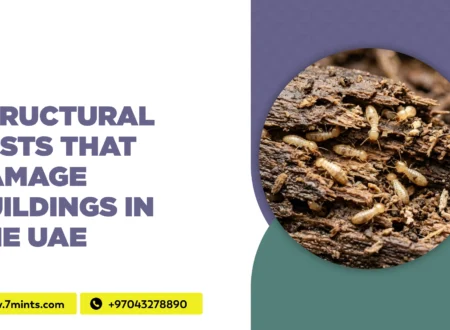
The increased humidity levels that affect the coastal cities of the UAE create the most dangerous situation because they enable termite populations to thrive. The wood-destroying pests demonstrate their behavior by selecting damp wood as their feeding source because it offers them both better chewing access and more food.
The high humidity levels that coastal cities experience create optimal conditions that enable termites to enter homes that contain wooden components. Termite populations need proper management because their activities result in extensive damage, which requires expensive reconstruction work. The establishment of regular inspection schedules, together with prompt execution of pest control activities, is a necessary method to keep infestations from occurring.
-
Increased Pest Migration from the Environment
Coastal regions attract both pests that exist inside buildings and pests that come from their natural surroundings. The humidity brings outdoor pests into homes and businesses, which include ants, mosquitoes, and flies. During the hot and humid months, these pests look for both shelter and food, which leads to an increased possibility of indoor infestations. The high humidity conditions that exist in coastal cities result in year-round pest presence because pests use elevated moisture levels to survive throughout the entire year.
-
Preventive Measures to Control Pest Activity
-
Seal Entry Points
The most effective method to keep pests out of your property involves sealing all entry points. Pests, including rodents, cockroaches, and ants, can enter through tiny openings that exist between doors, windows, and walls. The team needs to inspect these areas at regular intervals to find any open spaces that they should close using proper weather stripping, caulk, and mesh materials. The process of eliminating all tiny entry points, together with exterior pest control methods, will lead to reduced indoor pest problems.
-
Control Moisture
Moisture control is essential for keeping pests at bay, especially in humid coastal environments. The high humidity levels make the environment suitable for pests, which include termites, mold mites, and mosquitoes, to reproduce. The use of dehumidifiers in areas that experience dampness, such as basements, kitchens, and bathrooms, helps to create a dry space that prevents pest invasions. The proper ventilation system for these areas prevents moisture accumulation, which acts as a deterrent against pest entry.
-
Regular Inspections
Pest control inspections need to happen at regular times because they help discover potential pest infestations before those infestations develop into serious issues. The experts can identify signs of pest presence that homeowners typically miss, including droppings, gnaw marks, and nests. The team needs to schedule inspections at three-month intervals to maintain their ability to identify pest problems that require immediate action. This proactive approach reduces the risk of pest damage and ensures that your property remains pest-free, even in humid conditions.
-
Fix Leaks
Termites, ants, and rodents are drawn to moisture, which commonly occurs through water leaks. Pest activity develops in damp spots, which result from leaks that occur in pipes, roofs, and windows. The necessary action requires immediate leak resolution through pipe restoration, roof replacement, and window sealing. Quick leak resolution eliminates moisture zones, which insects use to breed and stay alive.
-
Proper Waste Management
Pests are attracted to waste that people throw away because it creates a food supply and a place for them to hide. The garbage bins must remain sealed because their contents need regular collection to prevent pest infestations, which include flies, rodents, and ants. People should not leave food scraps or waste materials in areas that include countertops and floors. Proper waste management prevents pests from accessing food sources and nesting areas, which makes your property less attractive to them.
-
Termite Treatment
Termite-resistant building materials and professional termite treatments serve as necessary expenses for protecting wooden structures against potential destruction. Termites survive in coastal cities because high humidity creates their ideal environment, which attracts them. Homeowners should choose between treated wood and termite barriers to protect their foundation. Homeowners may protect their property through regular termite inspections and treatments, which include soil treatments and baiting systems, because these pests cause extensive building destruction over time.
Conclusion
Coastal UAE cities experience higher humidity, which creates optimal conditions for various pests to survive, including rodents, termites, mosquitoes, and mold-associated insects. Contact us as residents and business owners need to understand how humidity affects pest behavior to protect their properties. Implementing preventive measures enables organizations to control pest damage while preserving clean, safe areas in their humid coastal environments.