


In today’s construction projects, the Mechanical, Electrical, and Plumbing (MEP) systems are the primary elements that enable a building to function. In case of weak or neglected MEP coordination, even small problems can quickly develop into major construction delays. Poor coordination is one of the biggest risks to project timelines, as it affects planning, execution, approvals, and final handover.
The blog discusses the issue of poor MEP coordination in detail, explaining how it causes delays and why early coordination is so important for project delivery.
Design Clashes Between Mechanical, Electrical, and Plumbing Systems.
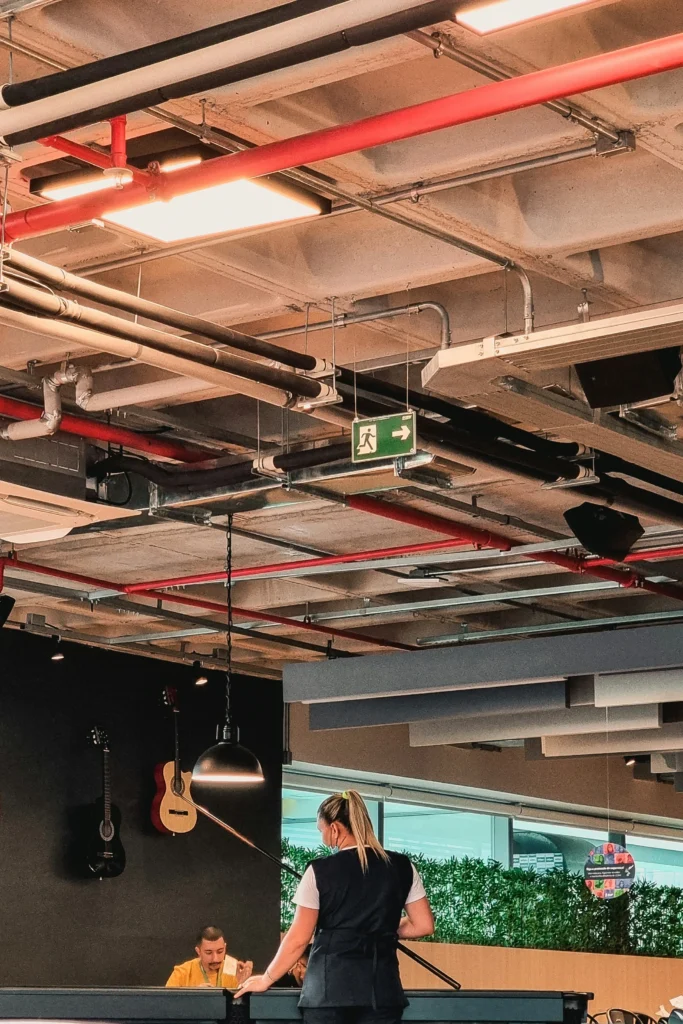
Most of the time, poor MEP coordination originates at the designing stage, where designers prepare separate mechanical, electrical, and plumbing drawings independently. When they fail to adopt a coordinated approach, they design ducts, pipes, and cable trays in such a way that these systems occupy the same physical space. Typically, designers overlook these clashes until installation begins on-site, when the limitations of space become apparent.
When the team discovers clashes during project execution, they stop the work so the designers can change the drawings and present the solution. Redesigning demands coordination through meetings, obtaining approvals, and sometimes involving the client, which consumes a lot of time. As a result, the planned construction does not proceed as scheduled, and the project experiences unnecessary delays.
Rework Due to Incorrect or Uncoordinated Installations.
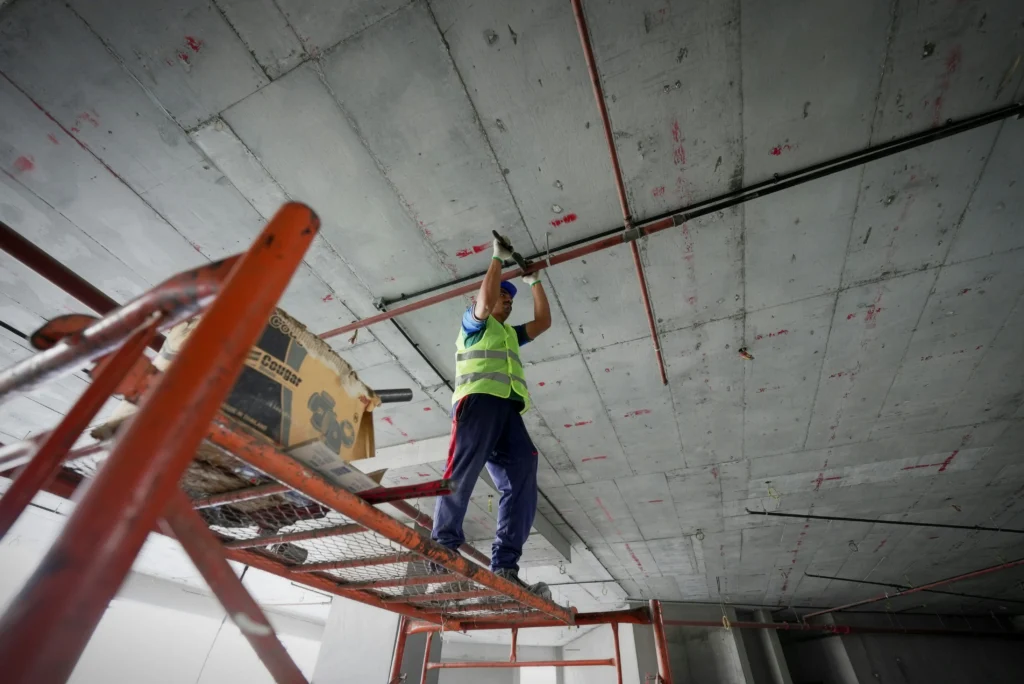
When MEP drawings lack proper coordination, contractors install systems based on partial or contradictory information. As a result, ducts block the routes for electricity cables, plumbing lines cut through structural elements, and installations conflict with the architect’s design.
Rework is among the top causes of project delays since it consumes time, employs people, and utilizes materials. On the other hand, it also delays other construction activities that rely on the finished MEP work. The project does not proceed as expected but rather regresses, resulting in slippage of the schedule, and thus, all stakeholders experience more pressure.
Delays Due to Late Design Changes and Approvals
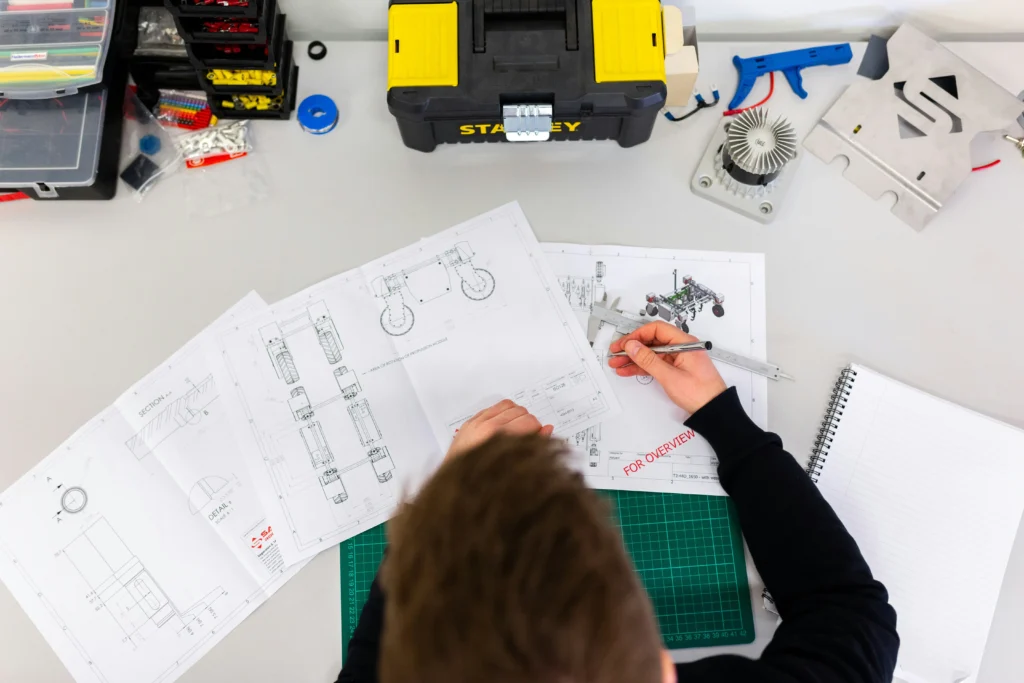
Poor coordination is often the reason for late issue identification, which in turn leads to MEP design changes during the construction period. A change in MEP design requires a formal approval that includes consultants, clients, and sometimes, regulatory bodies. Approvals hardly ever come through fast, and authorities frequently follow them up with a number of changes.
While the team waits for the revised drawings and the necessary approvals, they generally stop MEP work on the site to avoid making any more mistakes. This waiting time causes the labor force to remain unused and the equipment to stand by, and both of these conditions negatively affect the project schedule Design changes late in the process because of coordination problems are among the major contributors to project delays.
Poor Communication Between MEP and Other Trades
Uninterrupted and clear communication among designers, contractors, site engineers, and other trades is a great help to the effective coordination of MEP. In the absence of proper communication, important details are either misunderstood or neglected.
Without regular coordination meetings and updates, it becomes impossible to align the MEP activities with the structural and architectural works. The problems that could have been solved at the early stage remain unnoticed till they create substantial disruptions. The poor communication leads to a slow decision-making process and increases the confusion on-site, which is a direct contributor to the project delays.
Poor Planning of Limited Service Spaces
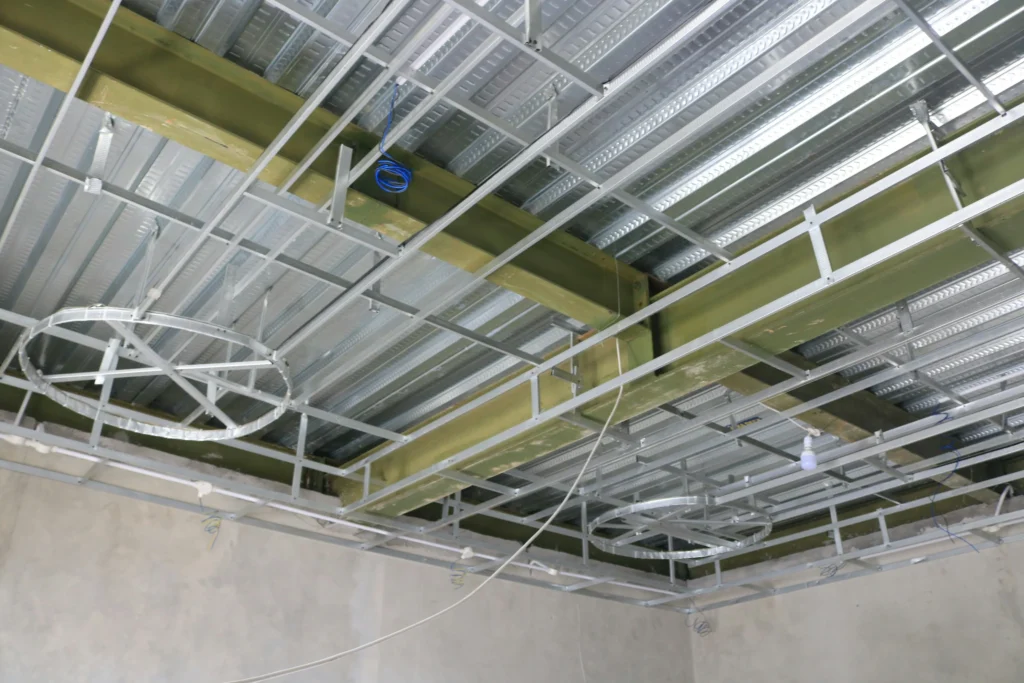
MEP systems occupy limited spaces such as ceiling voids, shafts, risers, and service corridors. Without proper coordination, these spaces become overcrowded, which makes installation difficult and inefficient. Installers then struggle to route the services correctly and often need additional support or must change the layout.
When space issues arise at the site, the team halts work until designers create and approve alternative routing solutions. In some cases, the team must make structural or architectural alterations, which further complicates the situation. Poor coordination causes inadequate space planning, reduces productivity significantly, and delays project progress. Check out our latest blog post on Basic Differences Between Residential and Commercial MEP Services
Delays During Testing, Commissioning, and Inspections
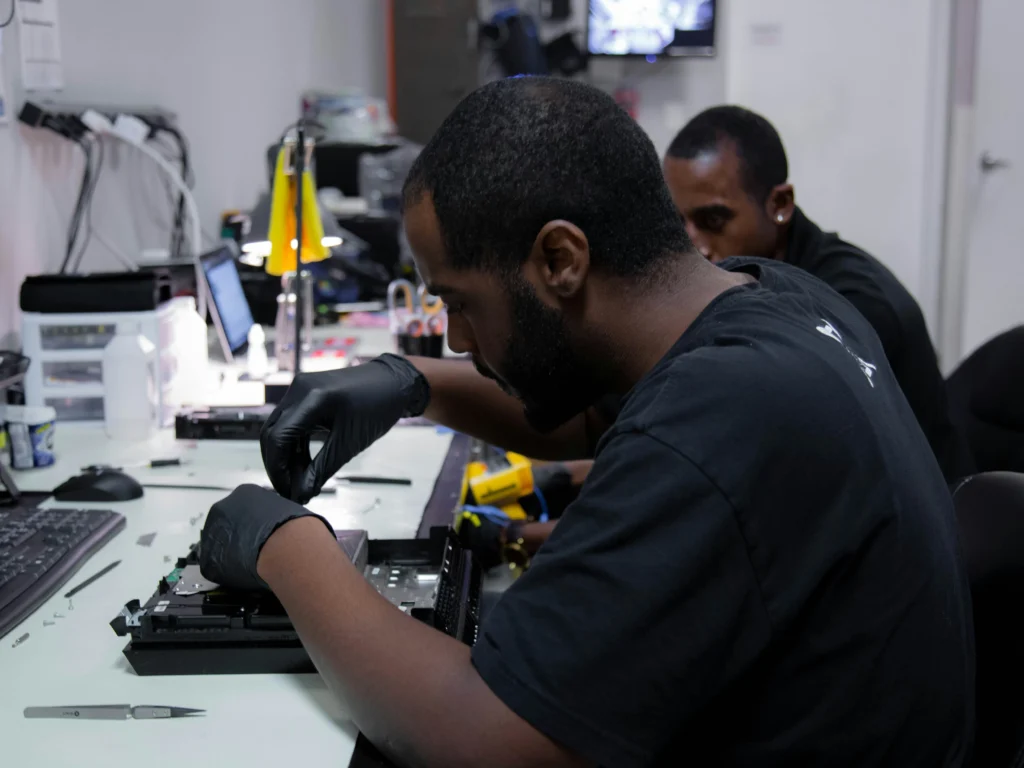
The problem of MEP coordination will often become apparent during testing and commissioning. The systems that are not properly in line may fail to pass the performance tests, safety checks, and even inspections by the authorities. Getting the reason for the failures during this stage is not only time-consuming but also often requires the areas that have work done being opened up.
The repairing of such issues that are very close to the project completion date will lead to the delay of the handover by a significant margin. Clients may experience delayed occupancy, and contractors may suffer penalties for late delivery. Poor coordination at the early phase of the project often leads to long commissioning periods and, consequently, delayed project closures.
Chain Reaction Delays Across Other Construction Activities

The installation of MEP is highly dependent on many other construction activities, like ceiling works, flooring, wall finishes, and interior fit-outs. If there are any problems in MEP work due to uncoordinated activities, then all the trades that were dependent on this will be delayed as well. Such situations lead to a domino effect spanning the entire project schedule.
Other contractors might have to stop working temporarily, organize their resources differently, or rush the latter part of the work to make up for the lost time. This not only disrupts the overall workflow but also increases the possibility of quality issues.
Conclusion
The lack of coordination between MEP and other trades is one of the major reasons for construction project delays. It affects the design, execution, approvals, and final handing over. The conflicting designs, rework, lack of communication, limited space, and failed tests all indicate coordination problems among MEP and other trades. Contact us as Unsolved issues lead to time wastage, cost increases, and strained relations among the stakeholders.
From the start of the design phase, through the means of coordinated drawings, regular communication, and proactive planning, good MEP coordination is the key to the success of the project in terms of time. In today’s complex construction scenarios, strong MEP coordination is not just an option but also a necessity for the project to be realized successfully.







1 Comment
Comments are closed.