


Modern buildings have evolved from mere concrete structures and become intricate systems that are capable of offering their residents and users all the trappings of comfort, safety, and good energy management. This complexity is further augmented in rapidly developing construction markets of the UAE and the overall Gulf area, where the factors of prevailing climate, high-rise buildings, and stringent regulations come into play.
MEP is the abbreviation of Mechanical, Electrical, and Plumbing, which are the three main systems that an engineer installs in a building and makes it livable. MEP engineering, from residential towers in Dubai to commercial complexes in Abu Dhabi, determines the performance level of a building.
These Engineers are at the center of the process right from the very beginning design stage till the end when a construction project is delivered. They make sure that all the vital services, such as air conditioning, power supply, lighting, water systems, and fire protection, are functioning properly together. If MEP planning is not good, the most eye-catching building may still not deliver its purpose.
We will be discussing MEP engineers’ primary roles in construction in this blog, especially in the case of the UAE and Gulf construction practices.
Understanding the Scope of MEP Engineering
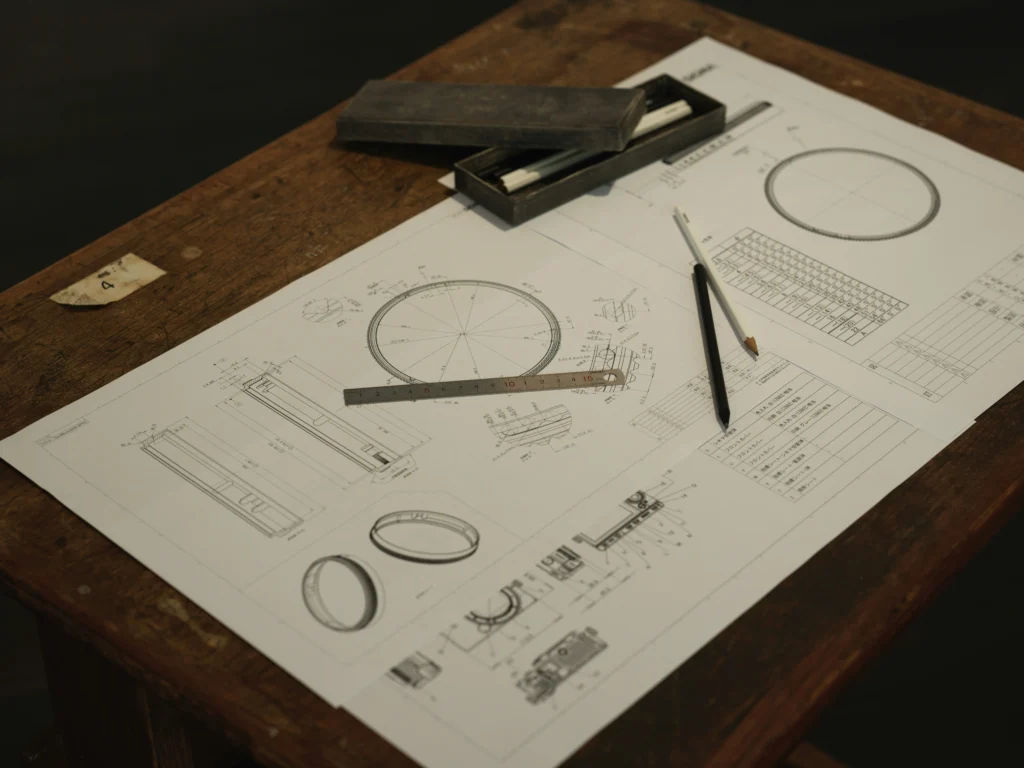
The scope of MEP engineering includes the design, installation, and maintenance of mechanical, electrical, and plumbing systems within a building. MEP systems are the ones that maintain indoor comfort, ensure the safety of the building, and allow for the daily operations to be carried out. MEP engineers are always on the same page with the architects and structural engineers when it comes to the smooth integration of the systems into the building’s design.
Mechanical systems deal mostly with heating, ventilation, and air conditioning (HVAC). The electrical systems manage power distribution, lighting, and communication networks, while the plumbing systems are responsible for supplying water, drainage, and sanitation.
The MEP engineering discipline is much broader than merely taking care of the design. Apart from these activities, it covers the entire engineering field, which includes cost estimation, energy efficiency planning, regulatory compliance, site supervision, testing, and commissioning. MEP engineers become the mainstay of the entire modern-day construction process due to their wide-ranging responsibilities.
Role of Mechanical Engineers in Building Construction
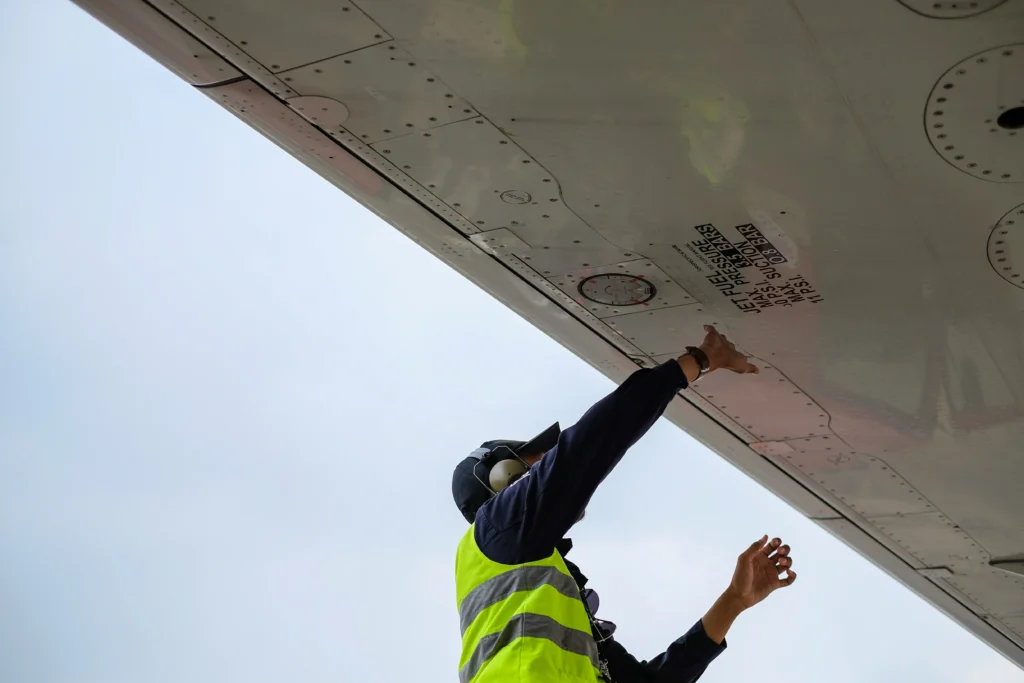
The MEP engineers’ task mainly covers the area of mechanical engineering. They compute cooling and heating loads according to the size, occupancy, and climate of the building. Comfortable atmosphere governed by the HVAC design enables the use of less energy.
Another key area of mechanical engineers is the ventilation systems, which are another major responsibility of mechanical engineers. These systems can remove stale air, control humidity, and impart fresh air circulation simultaneously. Proper ventilation is imperative for health and safety in commercial buildings like hospitals and hotels.
The mechanical engineers also determine the chilling equipment, air handling units, and exhaust systems. The decisions that they make will have significant effects on the energy efficiency, operational costs, and maintenance in the long run. A properly designed mechanical system will delight the occupants with comfort and minimize the occurrence of operational issues.
Electrical Engineers Involved in Construction Projects
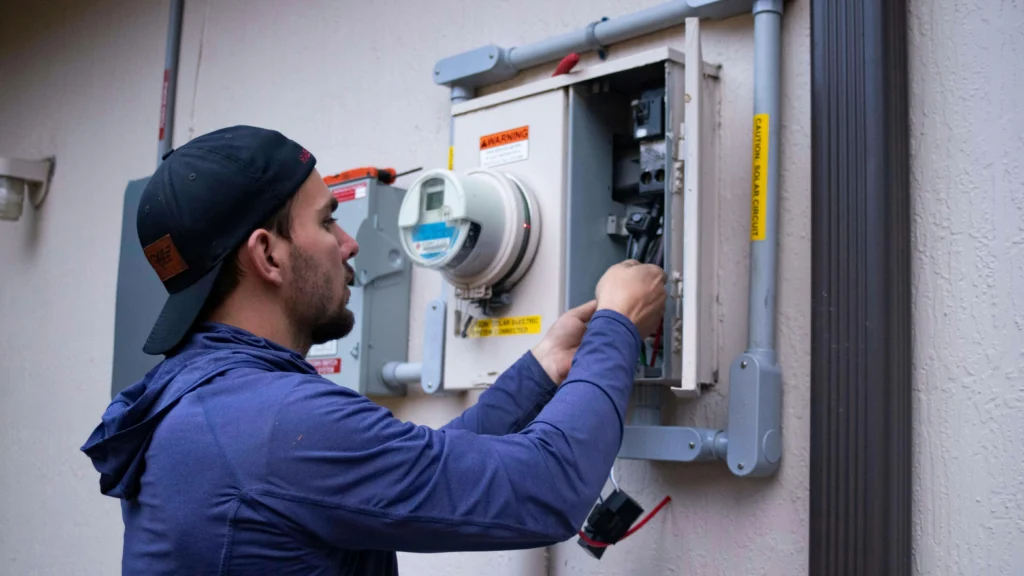
Electrical engineers design the power distribution system that ensures safe and proper use of electric energy in the entire building. The system consists of transformers, switchgears, panels, and cabling layouts. Lighting design is yet another primary concern. Electrical engineers sketch out the lighting distribution in such a way that, while energy wastage is at a minimum, there is still enough light.
Electrical engineers also make sure that all safety measures and building regulations are being complied with. They develop a grounding system and emergency power supply and install generators to secure the people during the outages. Their contribution is crucial in stopping electrical accidents and bringing about communication without interruption.
Role of Plumbing Engineers in Construction
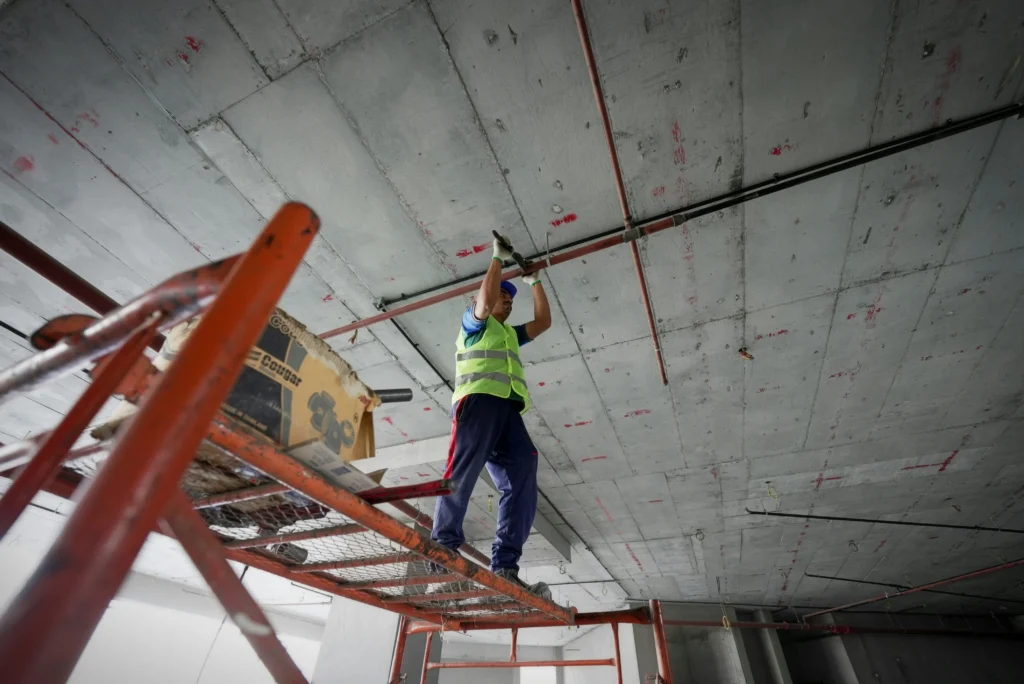
Plumbers design the water supply systems that bring clean and enough water to the sinks and toilets. Their work includes selecting pipes and pumps and ensuring there is sufficient water pressure throughout the building. A good water supply is not only more convenient but also saves water.
Wastewater and sewage disposal systems are of similar importance. The plumbing engineers create systems to transport the sewage discreetly and make sure that there are no clogs or leaks. Slope calculations, along with the proper selection of materials, are executed to make certain that the flow is uninterrupted and the system is dependable over a long period.
Water conservation is one more concern that plumbing engineers must face. They invent water-saving appliances, rainwater collection, and treatment systems that use less water. All these activities lead to water consumption reduction, and at the same time, they are in line with green building practices.
Collaboration with Architects and Structural Engineers
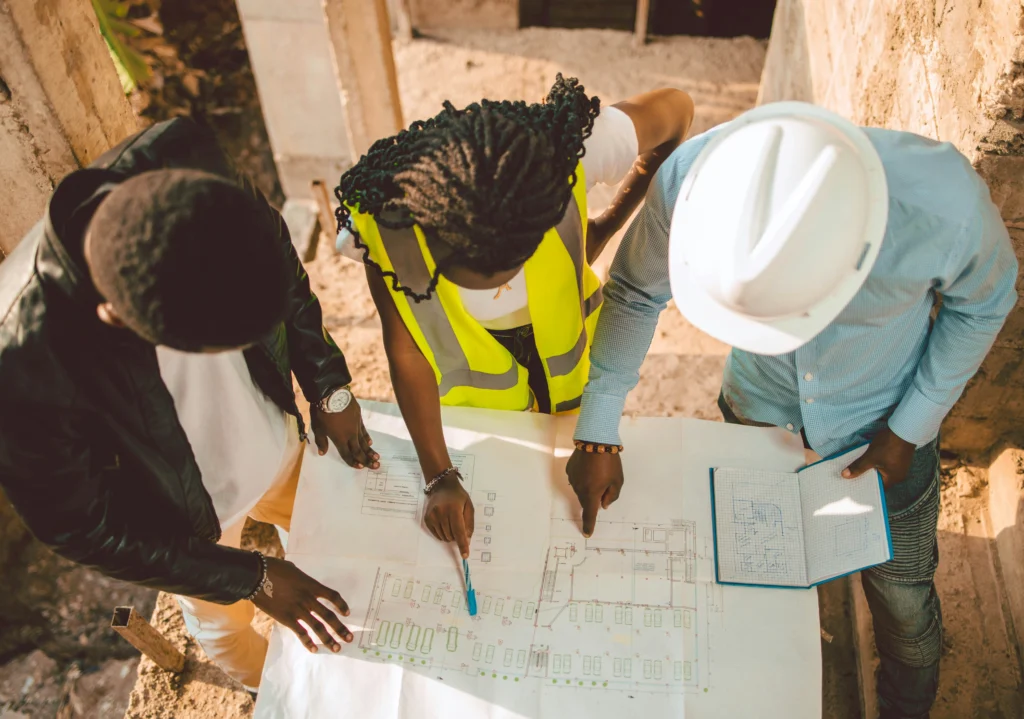
Mechanical, Electrical, and Plumbing (MEP) engineers have to cooperate with the architects in order to integrate services in the building layout. Such an arrangement guarantees that ducts, pipes, and cables can fit in the ceilings. walls and shafts, not only without impacting the visual appeal but also without the possibility of duct, pipe, and cable fittings becoming a potential conflict point. Early cooperation serves to preclude design conflicts.
Coordination with structural engineers is of equal importance. MEP systems must live in harmony with beams, columns, or load-bearing elements. Wise planning ensures that there is no damage to the structure and no expensive alterations needed during construction. Check out our latest blog post on Why Poor MEP Coordination Causes Project Delays.
Guaranteeing Safety and Compliance with Regulations

All systems are monitored by the MEP engineers to ensure that their installation is in compliance with the local building codes and international standards. The UAE is a hot and humid country, and different authorities set regulations for different areas, like Dubai Municipality, Abu Dhabi DMT, DEWA, ADDC, and Civil Defence. Compliance is necessary for the granting of approvals and the handover of the project.
MEP design in Gulf projects relies heavily on fire protection systems, which are the most significant part of the design. The engineers design the fire alarm, sprinkler, smoke extraction, and emergency lighting systems according to the UAE Fire and Life Safety Code. These systems are required in skyscrapers and commercial buildings.
Controlling Costs and Saving Energy
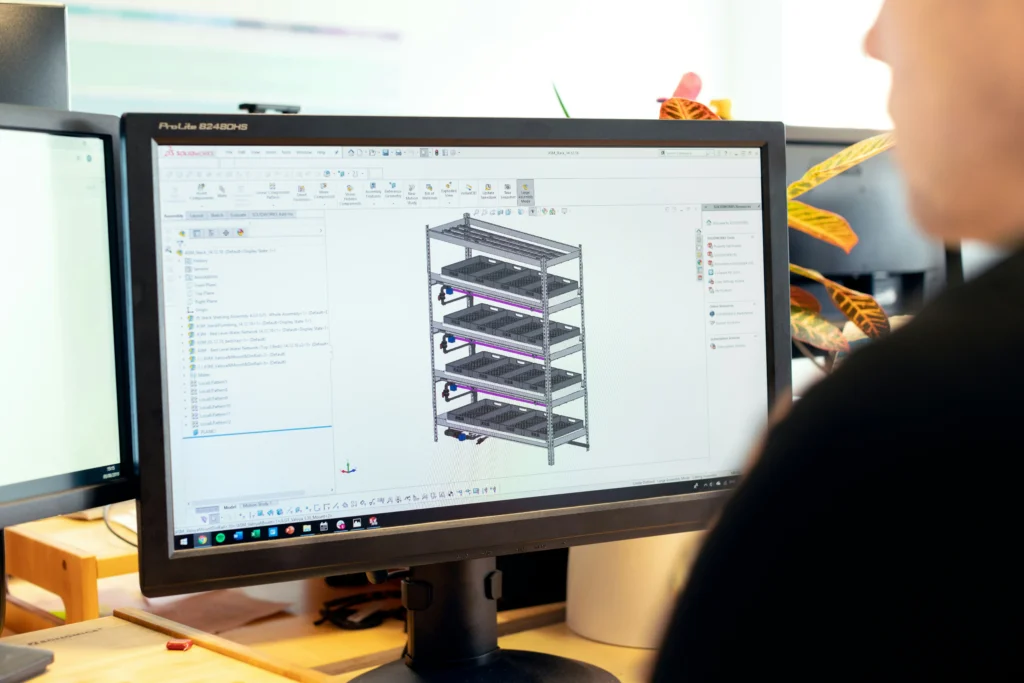
MEP engineers are the major players when it comes to controlling both construction and operational costs. They come up with the designs for systems that will deliver the required levels of performance yet remain within budget. Good planning will cut down not only on material use but also on installation costs.
Energy-saving measures are one of the major concerns in the modern construction industry. MEP engineers will ensure that only energy-efficient equipment is used; they will also design the layouts of the systems to allow for maximum energy efficiency and will install the controls to allow for automated operation of the systems. All these actions will result in a reduction of energy consumption and a lowering of the utility bills.
Lifecycle cost analysis is another major task that MEP engineers have to do. They will take into account the costs of maintenance, replacement, and operations in order to determine the long-term value for the owner of the building.
MEP Engineers’ Function During the Construction Process
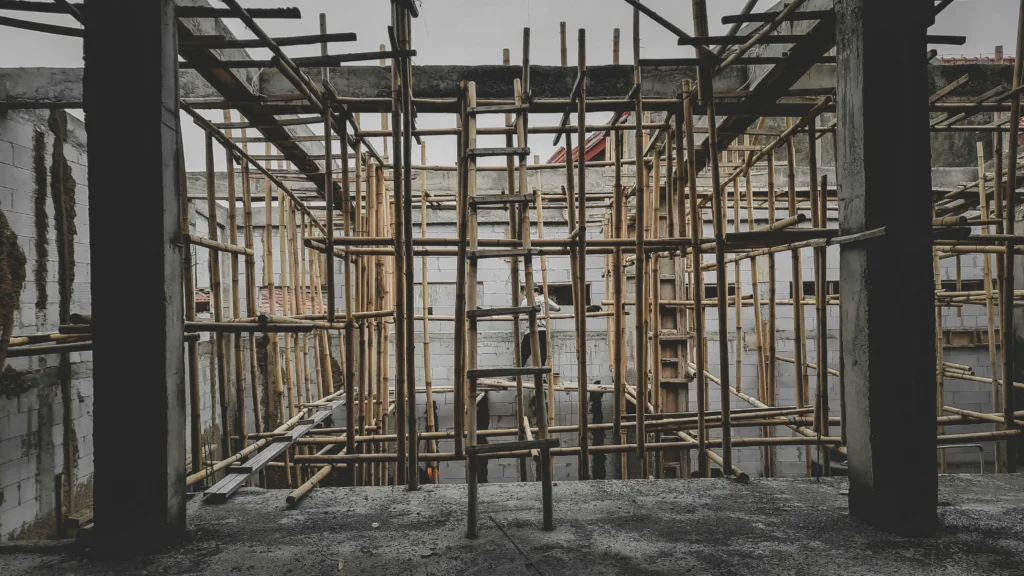
MEP engineers are present throughout installations during the construction phase to ensure that the work done is of good quality and accurate. They work with the contractors, suppliers, and site teams to sort out any technical problems that may arise.
Testing and commissioning are the first vital steps in a process. MEP engineers test the various systems to confirm they fully meet the design specifications. They achieve this through methods such as pressure tests, electrical tests, and cooling and heating performance evaluations.
Modern Smart Buildings Depend on MEP Engineers

Automation and smart technologies continuously power modern buildings. The MEP engineers are behind the integration of BMS for the control of lighting, HVAC, and energy consumption. Such systems will not only enhance the place’s efficiency but also provide more comfort to the people who use the space.
Sustainability is yet another point of emphasis. MEP engineers are the ones who implement the eco-friendly systems that reduce carbon emissions and allow the company to attain its environmental goals. This includes the use of renewable energy as well as the management of water resources.
Conclusion
The MEP engineers’ role is crucial in the whole building construction process because they are the ones who ensure that there is comfort, safety, and energy efficiency during the maintenance of the building. The input of such engineers will convert the architect’s drawings into livable spaces.
When you have a construction project in the UAE or the Gulf, seek advice from good MEP engineers who will come up with dependable, energy-efficient, and authority-approved building systems. Contact us for professional MEP services to help keep delays at a minimum, keep costs under control, and accomplish the desired longevity for the building.





1 Comment
Comments are closed.