

Construction projects rely on properly designed and coordinated mechanical, electrical, and plumbing systems to provide safety, comfort, efficiency, and reliable building performance. However, simply installing MEP equipment does not guarantee that the systems will operate as intended.
This is where MEP commissioning becomes essential.
MEP commissioning is a systematic process used to verify that mechanical, electrical, and plumbing systems have been designed, installed, tested, and operated according to the project’s requirements. It helps identify installation problems, control issues, coordination errors, and performance deficiencies before a building is handed over to the owner.
Modern buildings contain highly interconnected systems. HVAC equipment depends on electrical power and controls, plumbing systems must operate according to design requirements, and building automation systems need to communicate correctly with mechanical and electrical equipment. A problem in one system can therefore affect the performance of another.
In this article, we explain mep commissioning meaning, the importance of mep commissioning services, the stages involved in mep testing and commissioning, and how commissioning supports efficient building operation.
What Is MEP Commissioning?
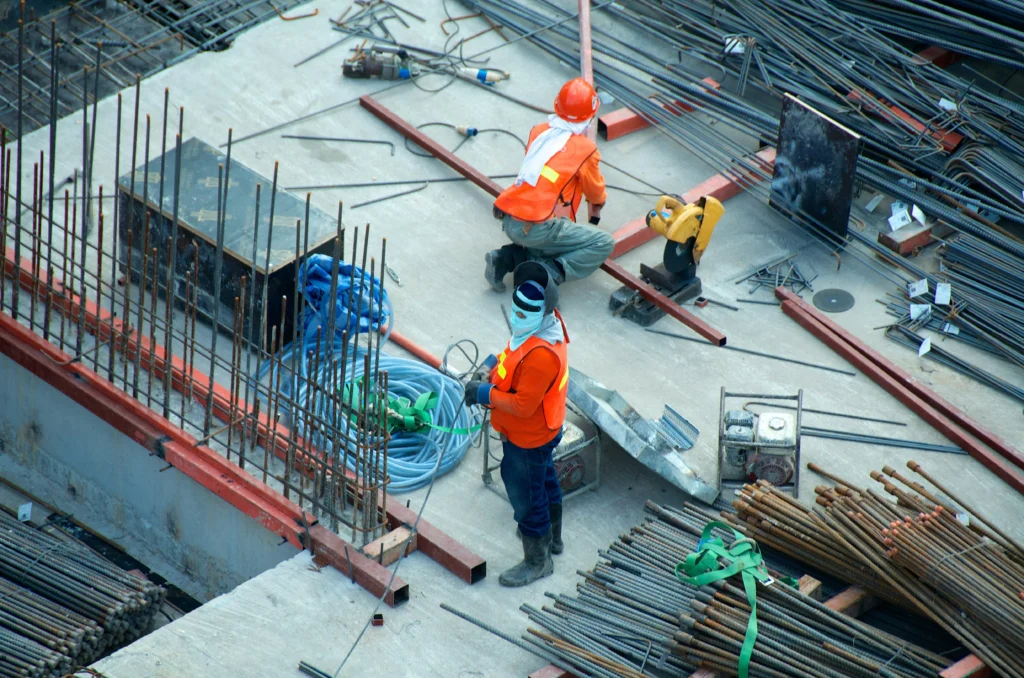
The mep commissioning meaning can be understood as the systematic process of verifying and documenting that a building’s mechanical, electrical, and plumbing systems perform according to the owner’s requirements, approved designs, specifications, and applicable standards.
Commissioning is broader than simply testing individual pieces of equipment. It considers how different systems work together as an integrated building environment.
For example, an HVAC system may be correctly installed but still fail to provide the expected indoor conditions if its sensors, controls, electrical connections, or building automation sequences are incorrectly configured.
Similarly, plumbing equipment may be installed correctly but experience performance problems if water pressure, flow rates, pumps, valves, or controls have not been properly tested.
The objective of MEP commissioning is therefore to confirm that the complete system performs as intended before the building is occupied.
Why Is MEP Commissioning Important?
1. Ensures Proper System Performance
One of the primary objectives of commissioning is to verify that building systems operate according to their design requirements. Commissioning teams review equipment operation, control sequences, system capacities, airflow, electrical loads, water flow, pressure, temperature, and other relevant parameters. Testing systems under different operating conditions can reveal problems that may not be visible during a basic installation inspection.
2. Improves Energy Efficiency
Energy efficiency is an important consideration in modern buildings. Poorly configured HVAC equipment, incorrect control settings, inaccurate sensors, inefficient pumps, and poorly coordinated automation systems can increase energy consumption. Through mep testing and commissioning, teams can identify issues affecting system efficiency and verify that equipment operates according to the intended control strategy.
Commissioning can include checking:
- HVAC operating schedules
- Temperature setpoints
- Sensor accuracy
- Equipment sequencing
- Pump operation
- Fan operation
- Lighting controls
- Building automation systems
Correctly configured systems can help reduce unnecessary energy consumption during building operation.
3. Improves Occupant Comfort
Building occupants depend on MEP systems for temperature control, ventilation, lighting, water supply, and other essential services.
Commissioning helps verify that HVAC systems provide appropriate heating, cooling, and ventilation performance.
For example, commissioning teams can check whether airflow is properly distributed throughout occupied spaces and whether temperature-control systems respond correctly to changing conditions.
4. Supports Safety and Compliance
Building safety systems must operate reliably when required.
Commissioning may involve testing systems associated with emergency power, smoke control, fire alarms, ventilation, and other safety-related functions, depending on the project’s scope.
The process can also help verify that relevant systems have been installed and configured according to applicable project requirements and regulations.
Check out our latest blog post on Basic Role of MEP Engineers in Building Construction
Systems Covered by MEP Commissioning
MEP commissioning generally covers the mechanical, electrical, and plumbing systems included within the project’s commissioning scope.
1. Mechanical Systems
Mechanical systems can include:
- HVAC systems
- Chillers
- Air handling units
- Fan coil units
- Pumps
- Ventilation systems
- Exhaust systems
- Heating systems
- Cooling systems
- Building automation and control systems
The objective is to verify that equipment operates correctly individually and as part of the wider mechanical system.
2. Electrical Systems
Electrical commissioning can include:
- Electrical distribution systems
- Switchboards
- Transformers
- Generators
- Emergency power systems
- Lighting systems
- Control systems
- Electrical protection systems
Testing helps verify that electrical equipment operates according to the project’s requirements and that systems respond appropriately under expected operating conditions.
3. Plumbing Systems
Plumbing commissioning verifies the performance of systems such as:
- Domestic water supply
- Drainage
- Hot-water systems
- Pumps
- Water storage systems
- Wastewater systems
- Sanitary systems
- Fire-water systems where included in the commissioning scope
Proper testing helps verify water flow, pressure, drainage, equipment operation, and system functionality.
What Is MEP Testing and Commissioning?
MEP testing and commissioning involves a series of inspections, tests, functional performance checks, documentation reviews, and system verification activities. Testing generally focuses on determining whether equipment and systems meet specified performance requirements. Commissioning goes further by examining whether the complete systems operate together as intended.
For example, an HVAC commissioning process may involve checking:
- Equipment installation
- Electrical connections
- Airflow
- Water flow
- Temperature control
- Sensors
- Control sequences
- Alarm functions
- Automation interfaces
- Functional performance
The exact tests depend on the project, system type, design requirements, and commissioning scope.
Mechanical Commissioning and Mechanical Services Commissioning
What Is Mechanical Commissioning?
Mechanical commissioning focuses on verifying the performance and functionality of mechanical systems within a building. It can include HVAC equipment, pumps, fans, chillers, air handling systems, ventilation equipment, and associated controls. The commissioning team checks whether equipment operates correctly and whether the complete mechanical system meets the required performance criteria.
What Is Mechanical Services Commissioning?
Mechanical services commissioning covers the systematic verification of mechanical building services before they are handed over for normal operation.
This can involve:
- HVAC testing
- Air balancing
- Water balancing
- Equipment testing
- Control verification
- Functional performance testing
- Alarm testing
- Sequence verification
- Documentation
Mechanical services are highly interconnected, so commissioning should consider both individual equipment performance and system-level operation.
For example, a chiller may operate correctly by itself but still fail to deliver the expected building performance if pumps, valves, controls, air-handling equipment, and temperature sensors are not properly coordinated.
Stages of MEP Commissioning
A successful commissioning process should begin early rather than being treated as a final construction activity.
1. Pre-Design and Planning Stage
The pre-design stage establishes the foundation for the commissioning process.
The project team defines the owner’s project requirements, performance expectations, energy objectives, operational requirements, safety expectations, and maintenance considerations.
At this stage, teams can determine:
- Commissioning scope
- Systems to be commissioned
- Responsibilities
- Testing requirements
- Documentation requirements
- Project schedule
- Acceptance criteria
Early planning helps integrate commissioning into the overall construction process.
2. Design Review Stage
During the design review stage, commissioning professionals examine drawings, specifications, calculations, control strategies, and system requirements.
The review can identify:
- Design inconsistencies
- Coordination problems
- Inaccessible equipment
- Maintenance challenges
- Incorrect equipment sizing
- Control issues
- Energy-efficiency concerns
Identifying these problems during design can be considerably easier than correcting them after construction is complete.
3. Construction Stage
During construction, commissioning teams inspect the installation of MEP systems and compare the completed work with approved drawings and specifications.
The inspection can include:
- Equipment placement
- Pipe routing
- Ductwork
- Wiring
- Equipment connections
- Supports
- Labels
- Accessibility
- Control components
Any identified deficiencies can be documented and addressed before functional testing begins.
4. Pre-Functional Testing
Pre-functional checks verify that individual equipment and systems are ready for functional testing.
These checks may include:
- Equipment installation verification
- Electrical connection checks
- Valve position checks
- Filter installation
- Sensor installation
- Safety-device verification
- Equipment start-up checks
- Documentation review
The exact checklist depends on the type of equipment and the project commissioning plan.
5. Functional Performance Testing
Functional performance testing is a major part of mep testing and commissioning.
At this stage, systems are operated under defined conditions to determine whether they perform according to the project requirements.
For HVAC systems, this could involve testing:
- Temperature control
- Airflow
- Water flow
- Equipment sequencing
- Start/stop controls
- Alarms
- Sensor response
- Building automation sequences
The objective is not simply to confirm that equipment turns on. It is to determine whether the system responds correctly during different operating conditions.
6. Integrated Systems Testing
Modern buildings depend on multiple systems communicating with one another.
Integrated testing checks interactions between systems.
For example:
- HVAC and building automation
- Electrical systems and emergency power
- Fire alarms and mechanical equipment
- Smoke-control systems and ventilation
- Pumps and control systems
This stage is particularly important because individual systems can pass their own tests but still experience problems when operating together.
7. Documentation and Handover
The final stage includes compiling commissioning records and handing over relevant documentation to the owner or facility-management team.
Documentation may include:
- Test reports
- Commissioning checklists
- Deficiency reports
- Functional test results
- As-built drawings
- Operation manuals
- Maintenance information
- Training records
A complete handover provides facility managers with information required for future operation and maintenance.
Commissioning of MEP Systems in Middle East Projects
The commissioning of MEP systems in Middle East construction projects is particularly important because buildings often depend heavily on mechanical cooling, ventilation, water systems, and reliable electrical infrastructure.
High cooling demands can place significant loads on HVAC equipment. Poorly commissioned systems may therefore experience inefficient operation, unstable indoor temperatures, excessive energy consumption, or unnecessary equipment stress.
For projects in the Middle East, commissioning teams may need to pay particular attention to:
- HVAC performance
- Chiller efficiency
- Cooling-water systems
- Airflow
- Indoor temperature control
- Building automation
- Electrical reliability
- Water systems
- Equipment operation under high-load conditions
The exact commissioning requirements will depend on the project’s location, building type, design specifications, applicable codes, and client requirements.
Benefits of MEP Commissioning Services
Professional mep commissioning services can provide several benefits throughout a building’s lifecycle.
1. Improved Reliability: Testing and verification help identify problems before they become operational failures.
2. Reduced Energy Waste: Properly configured equipment and controls can help reduce unnecessary energy consumption.
3. Better Indoor Comfort: Commissioning helps verify HVAC and ventilation performance, contributing to more consistent indoor conditions.
4. Fewer Deficiencies at Handover: Early identification of installation and performance issues can reduce the number of unresolved problems at project completion.
5. Better Maintenance: Complete documentation and system information can help facility-management teams understand the installed systems.
6. Protection of the Owner’s Investment: Commissioning helps verify that the building’s MEP systems are capable of delivering the performance expected by the owner.
Common Problems Identified During MEP Commissioning
Commissioning can uncover problems such as:
- Incorrect sensor calibration
- Incorrect equipment settings
- Poor airflow distribution
- Incorrect water flow
- Control-sequence errors
- Incorrect valve operation
- Wiring problems
- Equipment installation deficiencies
- Incomplete labeling
- Poor system coordination
- Incorrect automation programming
Identifying these problems before handover can reduce the risk of operational issues after occupancy.
MEP Commissioning Checklist
A typical commissioning checklist may include:
Design
- Review owner’s project requirements
- Review MEP drawings
- Review specifications
- Review control sequences
- Identify commissioning requirements
Construction
- Inspect equipment installation
- Verify pipework
- Verify ductwork
- Check electrical connections
- Check labels and accessibility
Testing
- Complete pre-functional checks
- Test equipment
- Verify controls
- Test alarms
- Check airflow and water flow
- Perform functional performance testing
Handover
- Compile test reports
- Close deficiencies
- Submit commissioning documentation
- Review operation manuals
- Provide relevant training
- Complete final handover
Why MEP Commissioning Should Start Early
One of the biggest mistakes in construction projects is treating commissioning as something that happens only after installation.
The most effective commissioning process begins during the early project stages.
When commissioning professionals participate during design, they can identify potential problems before construction starts. During construction, they can verify installation quality. During testing, they can confirm system performance.
This approach makes commissioning a continuous quality-control process rather than simply a final inspection.
Conclusion
MEP commissioning is a systematic and critical process that guarantees building systems are energy-efficient, safe, and trustworthy. Working through plumbing systems to the final handover, every phase carries out a vital function in the high-quality building delivery.
A meticulous commissioning process facilitates project teams in preventing operational failures, reducing energy use, and enhancing the comfort of the people occupying the space. Besides, it contributes to the owner’s protection against the investment by decreasing the costs for long-term maintenance and repairs. Contact Us as In present-day buildings, MEP commissioning is still subject to the need for making buildings eco-friendly and high-performance ones; it would be just a waste of money.



1 Comment
Comments are closed.