

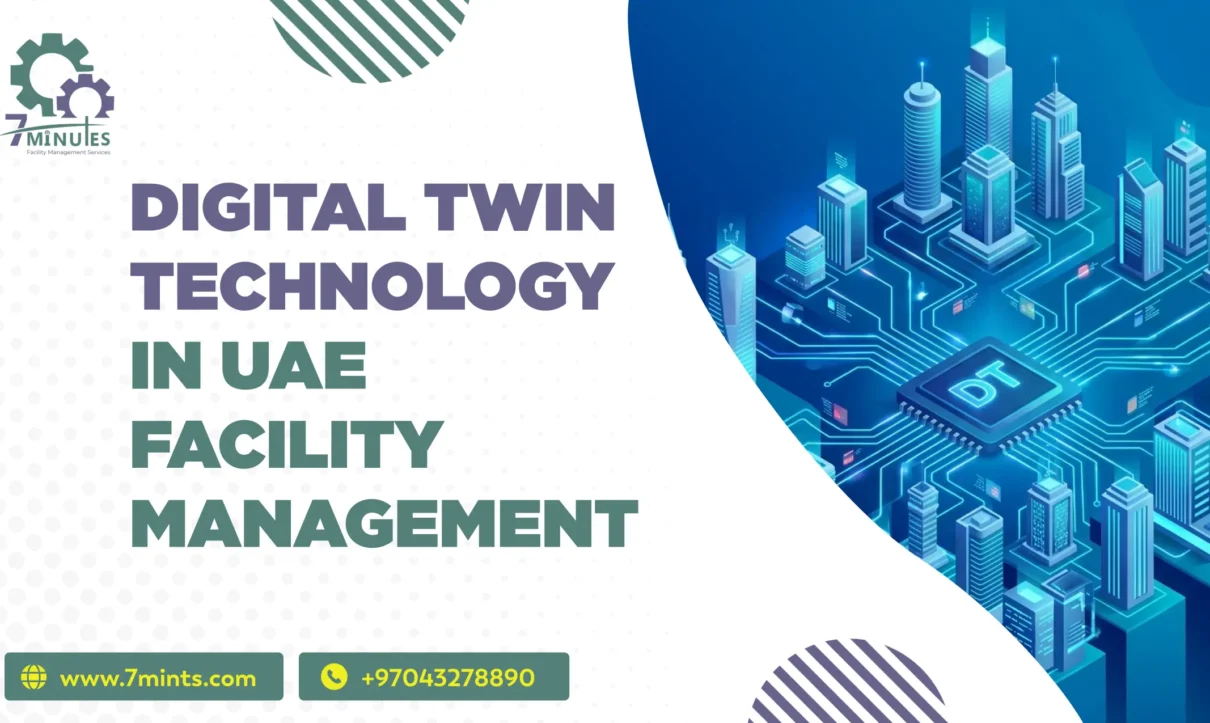
The UAE is rapidly turning into a kind of hub for smart technologies, and facility management is also embracing this digital shift, as it just makes sense. Digital twin technology has come up as a real breakthrough; it creates virtual replicas of physical buildings, systems, or even specific assets. With these twins, managers can simulate what’s happening in the real world and then monitor performance in real time, usually make decisions from the data, and fine-tune building operations without wasting time. It fits neatly with the UAE’s smart city idea, where technology and sustainability walk together, side by side.
Also, digital twins can cut operational costs and stretch the useful life of assets because they provide insights that were almost impossible to collect before. Facility managers can try out scenarios in a virtual space first, before touching anything in the physical environment, which means less risk and fewer expensive errors. For example, energy usage, occupancy trends, and equipment efficiency can all be tracked virtually, so decisions become smarter, not just faster. And since urban development keeps speeding up in places like Dubai and Abu Dhabi, digital twin tech is becoming a must-have tool for modern facility management.
Understanding Digital Twin Technology
A digital twin Technology isn’t just a 3D model; it’s more like a living, connected representation. It pulls real-time data from IoT devices, building management systems, and other sensors to form something dynamic. Facility managers can watch conditions such as temperature, humidity, lighting, and energy consumption across multiple systems at the same time, almost like one view. This digital layer gives a full, unified picture of building operations, so managers can spot inefficiencies or early warnings before they grow into bigger issues and end up messing up day-to-day routines.
Additionally, digital twins make it possible to run predictive analytics and simulations for more realistic planning, not just “better ideas” on paper. A facility manager can sort of test how the HVAC system performs across different weather conditions and, at the same time, estimate maintenance needs for critical equipment based on forecasts. When UAE facilities use that kind of information, they can run things more efficiently, fine-tune resource distribution, and also improve occupant comfort. And honestly, that sort of forward-looking habit reduces downtime a lot and lowers maintenance expenses too, so buildings end up feeling smarter while staying more sustainable.
Benefits of Digital Twin in UAE facility management
Digital twins improve operational efficiency in facility management by continuously monitoring systems in real time. Managers spot bottlenecks sooner, anticipate breakdowns, and streamline workflows. As a result, operations run smoothly, interruptions decrease, and teams resolve issues faster. Digital twins also reveal energy usage patterns, enabling facilities to cut costs and support environmental sustainability.
A second major advantage is predictive maintenance, and it basically helps facilities steer away from expensive equipment failures plus unplanned downtime. Also, the whole setup enables decisions based on data in areas like space utilization, safety, and resource allocation. For the UAE, where efficiency plus sustainability are treated like top priorities, these outcomes are why digital twins look like a strategic investment.
1. Supporting Smart City initiatives
The UAE’s smart city projects, for example, the ones in Dubai and Abu Dhabi, are really leaning on advanced digital solutions like digital twins and related systems. Basically, these tools help with smoother coordination between infrastructure, building operations, and the day-to-day workflows. And in facility management, digital twins help keep energy, security, and maintenance systems tied together so things run more smoothly, plus the whole occupant experience feels better, more liveable, if you want to call it that.
That includes energy use, water consumption, and other resources. Facility managers can watch emissions, follow energy efficiency, and then tweak settings in near real time to stay inside regulatory requirements. When you connect it all like that, UAE buildings can feed into the wider smart city ecosystem while still holding onto strong comfort, safety, and efficiency standards for residents and companies.
2. Challenges and considerations
Of course, there are obstacles too. For one, the setup cost can be pretty high, and integrating digital twins with older building systems can take serious technical know-how. Facility managers also need to handle cybersecurity, because any real-time data collection and analysis could become a target if safeguards are not set up properly.
Then there is the human side; there’s a need for skilled professionals who can actually interpret digital twin insights and make the right calls. So training and workforce development matter. In the end, this can lead to meaningful operational gains, financial wins, and sustainability improvements without losing the bigger picture.
Check out our latest blog post on Facility Management Lifecycle: From Planning to Execution in the UAE
The Future of Digital Twin in UAE Facility Management
Digital twin technology is expected to keep evolving with AI and machine learning capabilities, giving even sharper forecasts and then, kind of, automated decision-making. In the future, facility managers will be using digital twins not only for monitoring but for optimizing whole building ecosystems too, from energy distribution to how people tend to move and occupy spaces. That should result in facilities that feel more responsive, smarter in day-to-day operations, and also more sustainable across the UAE.
Also, the integration of renewable energy systems, predictive modeling of occupant conduct, and advanced simulations will make digital twins even more valuable. As the city infrastructure gets more interconnected, digital twins will likely sit right at the center of resource management, enhance safety, and lower operational costs. The UAE looks ready to take the lead in smart facility management by adopting these next-generation tools before others.
Conclusion
Digital twin technology is reshaping facility management in the UAE by blending real-time monitoring, predictive analytics, and smart building integration. The outcome is better operational efficiency, stronger sustainability goals, and lower costs, so the buildings become smarter and more adaptable over time. Contact us as facility managers who get on board early with this kind of system will be in a good place to handle a fast-changing urban environment.
In the end, adopting digital twins isn’t only a tech upgrade. It’s more like a strategic step toward buildings that are safer, more efficient, and greener. With the UAE’s commitment to innovation and smart city expansion, digital twin technology is set to become a backbone for modern facility management, and it could help create a future where buildings are as intelligent as the people running them.


3 Comments
Comments are closed.