

The construction materials are the ones that create the foundation of an edifice. The basic reason and the foremost to some, is that the strength, durability, and longevity of the project depend on the quality of the materials to a great extent. Even the finest engineers and the most state-of-the-art architectural developments cannot make up for the use of unfit or mismanaged materials.
For this reason, it is crucial for all stakeholders in the construction process, such as homeowners, contractors, and project managers, to be aware of the typical problems with construction materials. The blog post presents the most common material issues in the construction industry and explains how they can be avoided through proper selection, handling, storage, and supervision.
-
Poor-Quality Materials
Key Issue
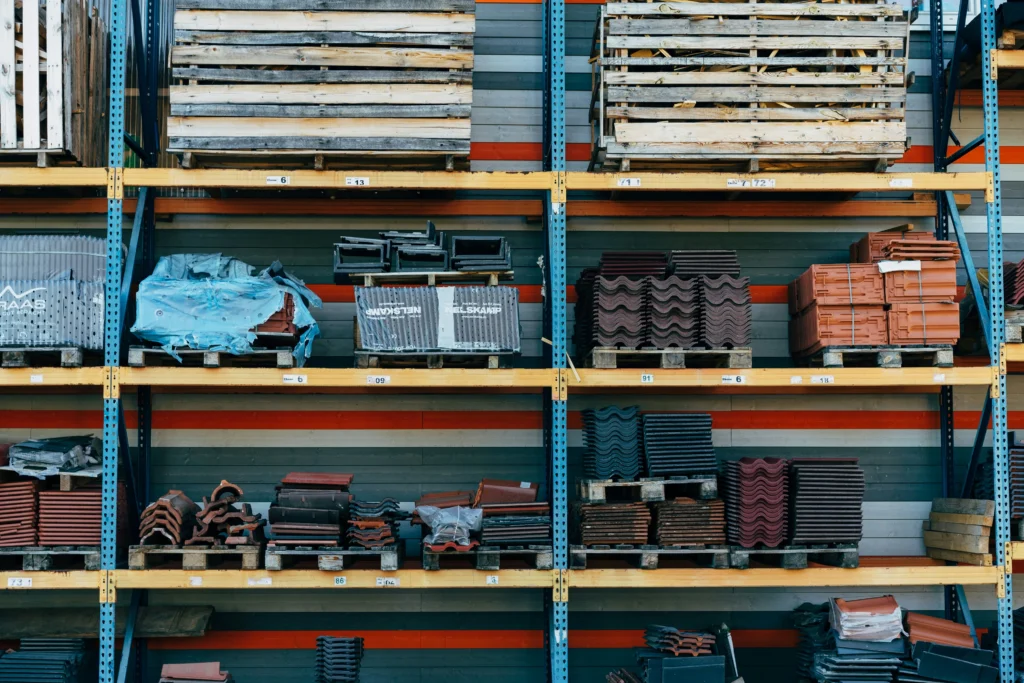
One of the major issues regarding construction today is the problem that concerns the availability of non-standard or low-quality materials. Among these are brittle bricks, under-strength steel bars, poor-quality cement, and dirty aggregates.
The difference between the two is only sometimes visible to the naked eye, so this testing is the only means to distinguish between them. Also, poor-quality materials tend to be the first ones to fail in laboratory tests as their composition or manufacturing process does not comply with the required standards, which, in turn, is a factor that directly influences a building’s lifespan negatively.
How to Avoid
The very first thing you must do when dealing with poor-quality materials is buy all the materials from reliable, certified suppliers who obey the national and international standards, such as ISI or ASTM.
Always request the dates of manufacture, certificates of testing, and batch numbers to validate the authenticity of the materials. You must also carry out third-party testing of cement, steel, and aggregates before you allow them on-site. This practice not only confirms quality but also creates a certain level of trust in the materials that you use.
-
Moisture Damage
Key Issue
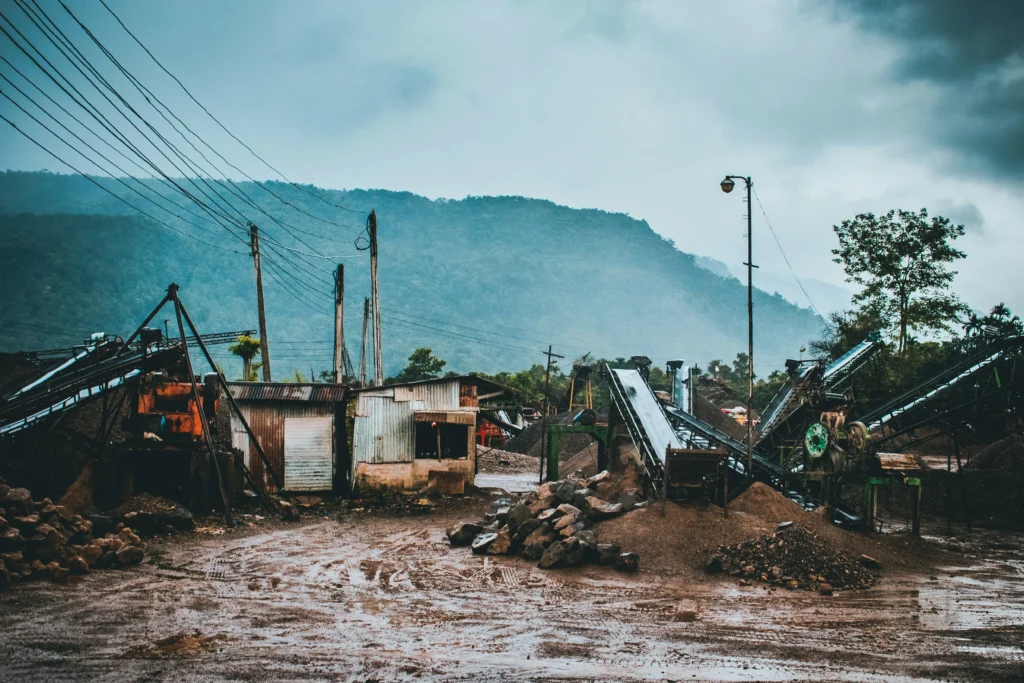
Moisture is considered one of the primary destroyers of construction materials. For instance, cement absorbs moisture from the atmosphere quite readily, which eventually leads to its reduced binding strength and affects the quality of either concrete or plaster.
Wood, in turn, swells when it gets wet (which is a physical change), warps (which is a loss of quality), or rots (which is a total loss), and humid climates especially cause these effects. Dampness damages even materials like gypsum boards, insulation materials, and tile adhesives when they are exposed to it.
Poor ventilation, lack of covers, or improper stacking exposes the materials to rain, ground moisture, or humidity. This may not be noticeable immediately, but it leads to major problems after installation.
How to Avoid
Moisture protection for construction materials starts with their proper storage. Cement should always be stored in dry, elevated rooms, well away from walls and water sources. Wood should be treated with waterproof coatings and stored in covered areas.
Moreover, the use of tarpaulin sheets, moisture barriers, and raised platforms effectively prevents contact between the materials and damp surfaces. On the other hand, it is implied that regular checks are taken at the site in order to verify that no materials are exposed during bad weather.
-
Improper Storage and Handling
Key Issue
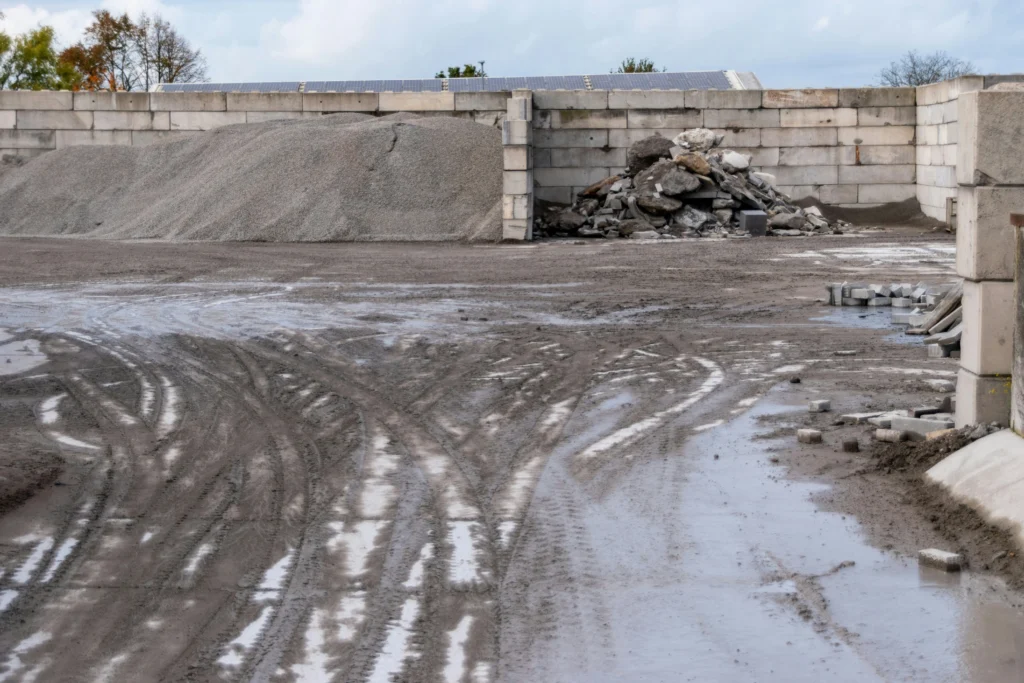
Quality of construction materials at times drops because workers handle them badly on-site. Rain or humidity rust steel reinforcement bars when workers leave them outside. Workers prevent tiles and sanitary ware from cracking by stacking and handling them carefully and properly. Sand and aggregates become contaminated with soil, organic waste, or other unsuitable materials when workers leave them unopened.
Workers damage adhesives, sealants, and waterproofing compounds when they handle them improperly and keep them under direct sunlight or in extreme temperatures. In many instances, the need to replace damaged materials causes project delays and adds extra expenses, which increases the project cost.
How to Avoid
The importance of following proper handling and storage instructions cannot be overemphasized. Rusting of steel should always be prevented by its being stored on raised platforms and covered. The stacking of fragile items like tiles must be vertical with padding to prevent the tiles from breaking.
Dirt mixing with aggregates and sand should be avoided by keeping them in separate, covered areas. Manufacturer’s instructions must be followed for the storage of chemical products to maintain their effectiveness. Furthermore, training workers in proper handling techniques will also result in less wastage and damage.
-
Wrong Material Selection
Key Issue
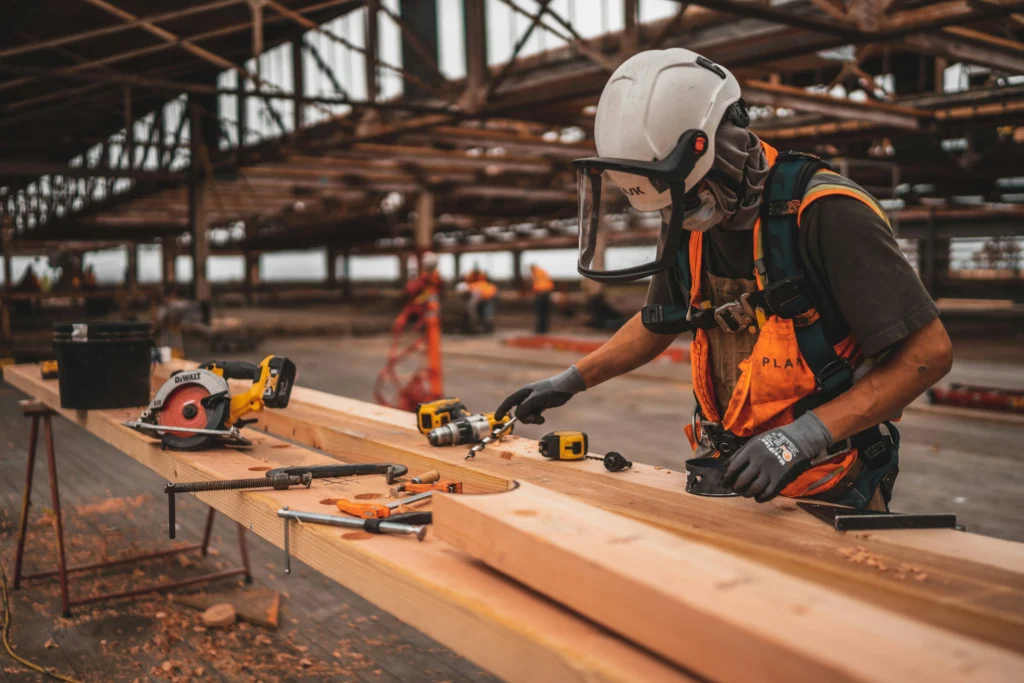
Another issue that builders often encounter is the choice of materials, as they select them without considering the structural needs and the environmental conditions of the site. When builders use low-grade steel instead of high-strength steel, the structure may lose its integrity. Likewise, when builders choose wood for humid areas, the material deforms and attracts termite attacks more easily than before.
At times, materials undergo chemical reactions that cause significant damage over time. One such instance occurs when workers apply a waterproofing chemical that is not compatible with cement surfaces, which makes the cement peel or form blisters. The choice of materials determines not only how well they perform but also how often workers must repair them, which increases costs.
How to Avoid
The selection of materials should always rely on the recommendations of experts. It is always better to use the specified materials rather than going for cheaper alternatives. For locations with a lot of rain, get moisture-proof or weatherproof materials. Making sure that the materials work well together will minimize the number of problems in the future.
-
Expired or Aged Materials
Key Issue
The majority of construction materials come with a limited working life. One of the most common examples is cement, which, if not kept under the standard conditions of storage, begins to lose strength after three months. Even tiles and steel, if kept for long periods in storage, may suffer from mold growth or rusting, which makes them unfit for use.
Unfortunately, many construction sites neglect the age of materials, and thus, the installation leads to a decrease in durability and performance. An old material may still look good on the outside but fails to pass the strength or performance tests during application.
How to Avoid
The very first thing you need to do when you get to the store is check the manufacturing and expiration dates. After you bring all the materials on-site, apply the FIFO (first in, first out) method so that you use the oldest materials first. For instance, if you run a long‑term project, make sure you check the old materials before using them so that you avoid weak or faulty construction.
-
Mix Ratios Inconsistency
Primary Problem
Wrong mix ratios are the main reason for weak masonry, poor plastering, and low-strength concrete. Inexperienced workers often add excessive water to cement or concrete to shorten mixing time, but this practice results in loss of strength and leads to cracks. Not measuring sand and cement ratios leads to weak mortar as well.
Improper mixing causes uneven surfaces, poor load-bearing capacity, and faster deterioration. It is one of the most common, yet easily preventable, issues on construction sites. Check out our latest blog post on How Civil Engineers Ensure Buildings Are Safe and Strong.
Methods of Prevention
Always stick to standard mix designations such as M20, M25, or M30 according to the requirements of the structure. Use precise measuring tools rather than people guessing the proportions. Teach workers how to mix correctly, especially concerning water content.
-
Materials Affected by Environmental Conditions
Main Problem
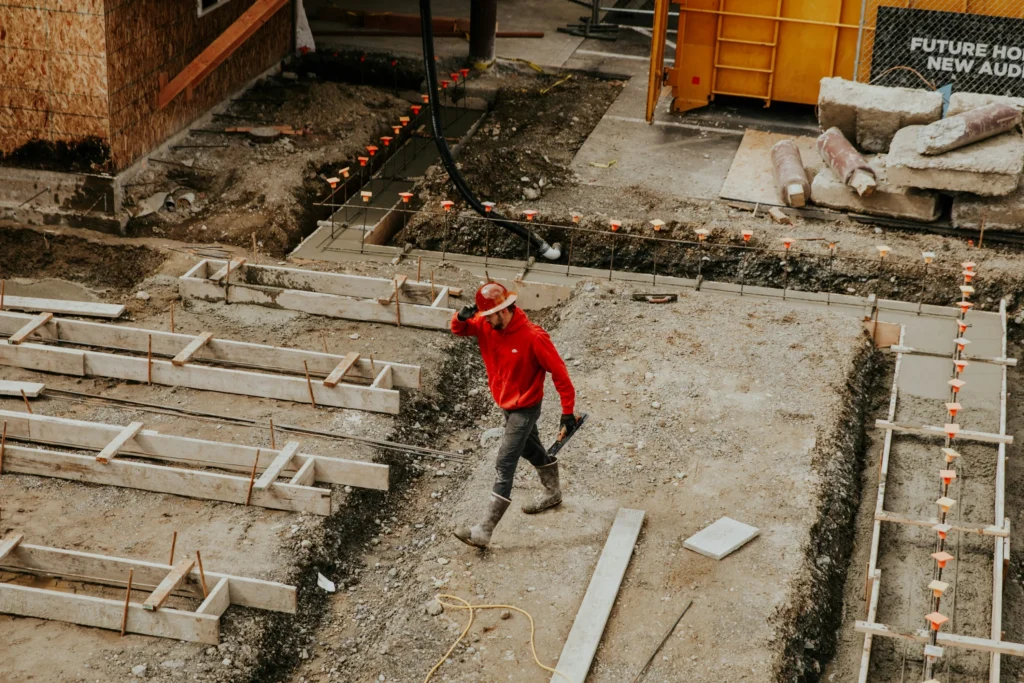
Environmental conditions vary considerably in their effect on construction materials. High temperatures make water evaporate fast from concrete mixes, bringing about the problems of curing and, consequently, less strength. Cold weather prolongs the setting time of concrete, which can result in freezing and surface damage. Plastics, insulation board, and paint coatings are all susceptible to UV exposure that eventually breaks them down.
To Avoid
Plan your construction activities in accordance with weather forecasts. Utilize curing sheets or compounds to keep the moisture in during hot weather for the concrete.The protection of surfaces with paints and coatings that have UV-resistance is a great choice for long-lasting protection.
Lack of On-Site Inspections and Testing Issue
The majority of the issues related to materials remain unnoticed because of the absence of proper supervision and testing. Infrastructures’ weak points, like cracks, loose joints, or damaged surfaces, often show up only after installation, when it is too late to fix them without incurring major costs.
Poor quality or damaged materials are used unknowingly due to the lack of testing. Without documentation or inspection, it becomes very difficult to trace which materials were used and whether they have met the required standards.
To Avoid
Those materials will be used on the site, regularly checked, and thoroughly examined by engineers and supervisors on site. We will test, for instance, concrete slump testing, strength cube testing, and cement and wood moisture checks. Keep up proper documentation for each batch of materials. It will then be very easy to show who is responsible for the quality, and thus, the quality will be so long-lasting.
Conclusion
Proper testing, handling, and storage practices will give the contractor and the homeowner a strong saving in time and costs and ensure the structure will be strong for years. Never forget that investing in the top-grade materials and having the proper supervision is not a cost but a protection for the future. Contact us as If you have a construction project in mind, then it is necessary to place a high importance on quality at each stage and seek professional advice when uncertain.



1 Comment
Comments are closed.