
Your AC can keep going for months with no pause. Then it stops, often during the hottest week in August. At that point, the filter is usually packed, the drain line may have built up mold, and the air inside has likely been worse for weeks. Regular HVAC care is the small routine that helps you avoid this.
HVAC maintenance means you clean, check, and test your heating, ventilation, and air conditioning system. It supports safety for your household by keeping filters and coils clean, drains clear, and electrical parts in good shape. It also helps gas units vent the right way. In Dubai, schedule professional HVAC maintenance about two to three times each year, and check the filters about once a month. A full visit often costs around AED 300 to 500 per unit.
Why HVAC Maintenance Matters for Family Safety
HVAC maintenance matters because your system moves the air you breathe most of the day. People in the US spend roughly 90 percent of their time indoors. In that space, certain pollutants can be 2 to 5 times higher than what you find outside. Young kids and older adults tend to spend even more time indoors. In Dubai, where AC runs about eight to ten months each year, the same idea holds. If the system is ignored, it keeps sending whatever has collected inside back into your home.
|
Risk |
What causes it |
Who is most affected |
|
Poor indoor air quality |
Clogged filters, dusty ducts, mold on coils |
Children, people with asthma or allergies |
|
Mold and moisture |
Blocked condensate drain line |
Whole household |
|
Electrical faults |
Loose connections, worn capacitors, overheating |
Whole household (fire risk) |
|
Carbon monoxide |
Faulty gas-fired appliances and poor venting |
Everyone, especially sleeping family members |
|
Heat stress |
AC failure in peak summer |
Infants and the elderly |
1. Indoor air quality and kids
Indoor air quality is how clean the air is inside your home. Your HVAC system is a key part of that. When filters and coils are dirty, dust, pollen, and mold spores can move around the house. This can lead to coughing, allergy symptoms, and asthma flare-ups. Kids are more sensitive because their lungs are still growing. Clean filters and coils are one of the easiest ways to help protect indoor air.
2. Electrical and fire safety
For HVAC units, electrical safety comes down to wiring that stays tight and parts that work as they should. Some components run on high voltage. At the same time, the system also has water and refrigerant in the mix. When wiring wears out or a capacitor begins to fail, heat can build up. During routine HVAC care, technicians check connections and key components. They spot trouble early, before it turns into a real fire risk.
3. Carbon monoxide and gas devices
Carbon monoxide, or CO, is a gas you cannot see and you cannot smell. It forms when fuel burns incompletely. A basic electric split air conditioner does not make CO. But gas water heaters, gas heaters, backup generators, and blocked flues can. If your home uses any gas-fired equipment, have it covered in your HVAC maintenance. Also, put CO detectors near the places where people sleep.
4. Heat stress if the AC stops
In the UAE, a broken air conditioner can be dangerous fast. When a unit fails in summer, infants, older family members, and people with heart problems can be exposed to extreme indoor heat. Preventive HVAC maintenance can cost less than waiting for an emergency repair.
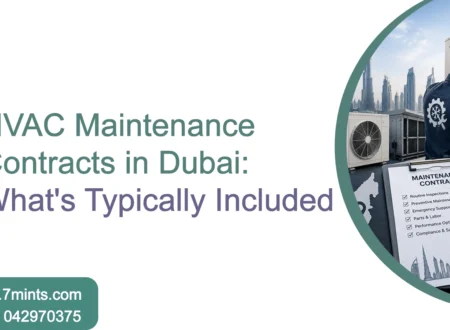
You May Also Read: HVAC Maintenance Contracts in Dubai
What is covered in HVAC maintenance?

HVAC maintenance is more than a quick filter swap. A proper check includes cleaning, testing, and inspecting the main parts of the system. A full visit typically covers the following:
1. HVAC care is not just a quick filter swap: A proper visit checks the key pieces of the unit. A real service call covers more than one small step.
2. First are the air filters: The tech cleans or replaces them so air flows right. When filters are fresh, dust and pollen get held back. That supports better air inside and keeps the system from working too hard.
3. Next come the evaporator and condenser coils: The coils get cleaned to remove dust and grime. Any early signs of mold are addressed too. Clean coils help the system cool more effectively. They also stop dirty buildup from spreading through the home.
4. Then there is the condensate drain line: The line is flushed and checked for blockages. If the drain is clear, water stays where it should. This helps prevent leaks and dark wet spots. It can also lower the risk of mold.
5. Refrigerant level is checked as well: The technician tests pressure and looks for possible leaks. If refrigerant is low, the compressor has to push harder. That extra strain can shorten its life. It may also lead to higher energy use.
6. Electrical parts get attention too: Wiring, terminals, and capacitors are inspected for looseness and heat damage. Any worn item is noted early. Catching issues sooner reduces the chance of electrical trouble. It also lowers fire risk.
7. The thermostat and controls are verified: The settings are matched to the room’s needs. When the setup is right, the home stays comfortable. The unit should not run longer than it needs to.
8. Fan motors and other moving parts are checked: Bearings are inspected, and lubrication is done when needed. When these parts move smoothly, noise is often lower. They also tend to fail less during the busiest hot periods.
9. Ducts, vents, and insulation are reviewed: Ducts are checked for dust, leaks, and damaged insulation. Clean ductwork helps air reach rooms at the right temperature. Sealed ducts also limit dust that can affect indoor air.
10. If gas appliances are in place, they are checked too: Gas water heaters and gas heaters need a safe venting review. Flues are also inspected for proper function.
HVAC Maintenance Step by Step
The best plan mixes small home checks every month with visits from a technician around the cooling season.
1) Check the filters each month: Dubai dust builds up fast. Clean or swap the filters when needed. This keeps airflow steady. It also reduces strain on the system.
2) Clear the outdoor unit: Look at the condenser area. Remove leaves, dust, and anything within about one meter. If airflow is blocked, the unit cannot move heat well. Cooling drops, and power use goes up.
3) Clean vents and registers: Wipe the grilles and check that nothing blocks them. Furniture and thick curtains can interfere. Open vents help cool air spread through the room. They can also limit dust that falls back in.
4) Test the thermostat: Set the thermostat and watch the result. Make sure the unit reaches the set temperature and keeps it there. If the room stays too warm or too cold, the thermostat or sensor may need adjustment.
5) Inspect the drain line: Check near the indoor unit for wet spots, stains, or small leaks. These can point to a clog. If you ignore it, you can end up with water damage or mold.
6) Test the smoke and CO detectors: Press the test button on the smoke and carbon monoxide alarms once each month. If the alarm works, you get an early alert if something fails.
7) Schedule professional servicing: Book visits before the hot months, then again in peak summer, and once more after the season. Suggested times are April, July to August, and November.
8) Keep a service record: Write down the dates, what was found, and what was fixed. This supports warranty claims and helps with landlord paperwork. It also shows if the same issue repeats.
Pro tip: Try to book the pre-summer visit in March or early April. Technicians get busy from May onward, and delays can make the wait longer.
HVAC Tips for Homeowners
Go for Smart Thermostat: It allow you to schedule heating and cooling by your family’s routine, saving energy and alleviating feelings of discomfort.
Seal Your Ducts Properly: Ensure correct ductwork sealing to enhance significantly the efficiency of avoiding energy losses leaking through leakages.
Use Ceiling Fans Judiciously: Ceiling fans can effectively circulate your living space’s air; remember to run them counterclockwise in the summertime for cooling and clockwise in the winter to transfer heat more evenly.
Think about Using Zoning Systems: This type of device can manipulate temperatures in different sections of a home independently, enabling comfort zone comfort with minimum energy utilization.
Inform Your Family about the Operation of HVAC Equipment: they can learn with regard to the thermostat and can also be motivated not to obscure vents with curtains and other furniture.
Inspection at Regular Intervals: do conduct annual checks by qualified technicians, as these people are capable of finding impending threats before costs mount to repair.
Example: Regular HVAC Service Finds Issues Fast
A family in a villa in Dubai notices a mild musty odor coming from the bedroom AC. A child also has a cough at night that will not go away. On the day of a planned HVAC visit, the technician spots a condensate line that is partly blocked. The evaporator coil also has mold buildup. The technician cleans the coil, clears the drain, and puts in a fresh filter. The smell fades, and the airflow feels stronger. The bill is much lower than the cost of a full unit replacement after years of neglect.
Conclusion
Keep your home safer with proper HVAC care. Good maintenance helps your family breathe easier. It also helps keep indoor temperatures steady during Dubai’s long hot season. Want to book a visit? Schedule an HVAC maintenance appointment with 7mints for a free quote.
Questions People Often Ask
Q1. How often should I schedule HVAC maintenance in Dubai?
Aim for service at least two times per year, and up to three times, especially in Dubai. Do it before summer starts, again in the middle of the hot season, and once more after the cooling period. Also check and clean filters each month between visits, since dust and daily use clog them.
Q2. Can an HVAC system lead to carbon monoxide poisoning?
An electric split AC does not produce carbon monoxide. But gas heaters, gas water heaters, and generators can create carbon monoxide if they are not working well or if the venting is poor. Have gas items checked during HVAC maintenance, and place carbon monoxide alarms near sleeping areas.
Q3. Does HVAC maintenance help with indoor air quality?
Yes. Routine service helps indoor air quality because it cleans filters, coils, and ducts. It also clears drains that can feed mold and helps the system move air the right way. As a result, dust, allergens, and mold spores are less likely to spread through the home. This can be useful for children and for people with asthma.
Q5. Can I handle HVAC maintenance on my own?
You can clean the filters, vents, and the outdoor unit on your own. Do not handle coil cleaning, refrigerant checks, electrical checks, or gas appliance work unless you are trained. Small errors there can lead to shocks, smoke, or costly damage.
Q6. What does an HVAC maintenance contract cover?
An HVAC maintenance contract usually covers scheduled visits. Some plans also include priority response and limited fixes. Look closely at the number of visits you get. Also confirm if parts are included. Check if gas top ups are covered too. Make sure you see the promised response time before you agree.
Q7. How long does an AC unit last with regular maintenance?
A well-kept AC unit often runs longer. In Dubai, a split system commonly lasts about 7 to 10 years. Skipping maintenance can cause it to fail earlier. Dirty coils, low refrigerant, and worn electrical parts can reduce how long the compressor survives.