

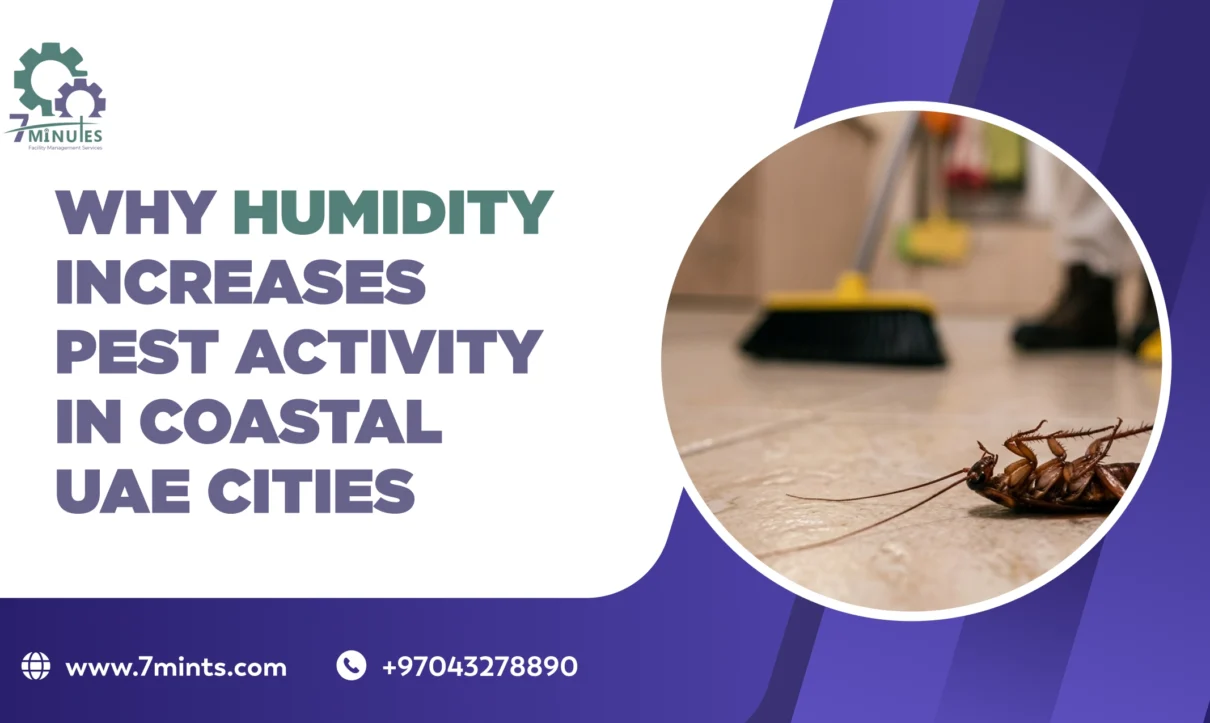
Coastal cities in the United Arab Emirates experience a combination of warm temperatures, humid air, and seasonal weather changes. These conditions can influence pest activity in residential buildings, commercial properties, hotels, restaurants, and industrial facilities. Understanding how humidity affects pests is essential for maintaining clean, safe, and comfortable indoor environments.
Cities such as Dubai, Abu Dhabi, Sharjah, and Ajman can experience moisture-related pest problems when high humidity combines with poor drainage, water leaks, inadequate ventilation, or improper waste management. Although humidity alone does not cause every infestation, it can create favourable conditions for several common pests.
1. The Relationship Between Humidity and Pest Activity
Humidity refers to the amount of moisture present in the air. Many insects are sensitive to changes in temperature and moisture because these factors affect their survival, reproduction, and behaviour.
In coastal UAE environments, humid conditions can help certain pests avoid dehydration. Damp locations may also provide access to water, food, and shelter.
Common areas where pest activity may increase include kitchens, bathrooms, drainage systems, storage rooms, air-conditioning units, and poorly ventilated utility spaces.
2. Common Pests Found in Humid Environments
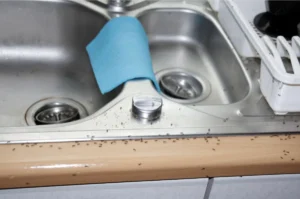
Different pests respond to moisture in different ways. Identifying the specific pest is important when selecting an effective prevention or treatment method.
Cockroaches: Often hide in damp, dark locations near drains, kitchens, and plumbing connections.
Mosquitoes: Depend on standing water for breeding, while humid conditions can support adult survival.
Ants: May enter buildings in search of food and water, especially around leaking pipes and damp foundations.
Termites: Certain species exploit moist soil and moisture-affected timber, potentially damaging building materials.
Silverfish: Prefer humid, sheltered spaces and may be found in bathrooms, cupboards, and storage areas.
An infestation is more likely when moisture problems occur alongside accessible food, hiding places, and unsealed entry points.
3. How Coastal Weather Creates Indoor Moisture Problems
Humid outdoor air can enter buildings through windows, doors, ventilation systems, and structural gaps. When warm air encounters cooler surfaces, condensation may develop.
Over time, moisture can accumulate around air-conditioning equipment, ceilings, pipes, bathroom walls, and poorly ventilated storage spaces.
These conditions can make buildings more attractive to pests. Persistent dampness may also contribute to mould growth and deterioration of building materials.
Regular inspections and timely maintenance help identify moisture problems before they become more serious.
4. Why Mosquito Activity Can Increase
Mosquitoes require standing water to complete their life cycle. In coastal cities, potential breeding sites include blocked drains, uncovered containers, garden pots, construction areas, and poorly maintained water features.
High humidity can support adult mosquito survival, but removing standing water is one of the most important prevention measures.
Property owners should inspect outdoor areas after rainfall, empty unnecessary water-holding containers, and maintain drainage systems. Water storage and swimming facilities should also be managed appropriately.
5. How Humidity Contributes to Cockroach Problems
Cockroaches can survive in many environments, but damp spaces with accessible food and shelter can support persistent infestations.
Kitchens, bathrooms, waste storage areas, and drainage systems often provide the conditions they need. Small gaps around pipes, cupboards, and doors may also allow them to enter buildings.
Effective prevention requires more than treating visible insects. Cleaning food residues, repairing leaks, sealing cracks, and monitoring pest activity can help address the underlying causes.
6. The Impact of Moisture on Termites and Building Materials
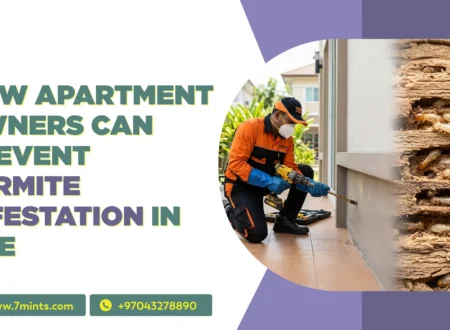
Termites can cause significant structural damage when they infest susceptible timber and other cellulose-containing materials. Moisture problems may increase the risk in certain situations, particularly where leaks affect wooden fixtures or building foundations.
Warning signs include damaged timber, hollow-sounding wood, mud tubes, and unexplained deterioration around wooden structures.
Because termite species have different behaviours and moisture requirements, suspected activity should be assessed by a qualified pest-control professional.
7. Practical Ways to Prevent Humidity-Related Pest Infestations
Preventive maintenance is often more effective than relying only on reactive pest treatments.
- Repair water leaks: Check plumbing connections, taps, AC condensate lines, and water heaters regularly.
- Improve ventilation: Ensure bathrooms, kitchens, and storage rooms have suitable airflow. Use dehumidification where necessary.
- Maintain drainage systems: Clear blocked drains and prevent water from collecting around buildings.
- Follow good hygiene practices: Store food securely, clean spills promptly, and dispose of rubbish regularly.
- Seal entry points: Close gaps around doors, windows, pipes, and other potential pest entry routes.
- Schedule regular inspections: Monitor areas where moisture, pests, or building damage may develop.
- Seek professional assistance: Recurring infestations may require pest identification, monitoring, and targeted treatment.
Conclusion
Humidity can contribute to increased pest activity in coastal UAE cities by creating favourable conditions for certain insects and moisture-associated pests. When combined with warm weather, standing water, food waste, and building maintenance issues, it can increase the likelihood of recurring pest problems.
For homeowners and commercial property managers, effective moisture control is an important part of pest prevention. By maintaining drainage systems, repairing leaks, improving ventilation, and arranging timely inspections, property owners can reduce pest risks and protect their buildings throughout the year.



1 Comment
Comments are closed.