

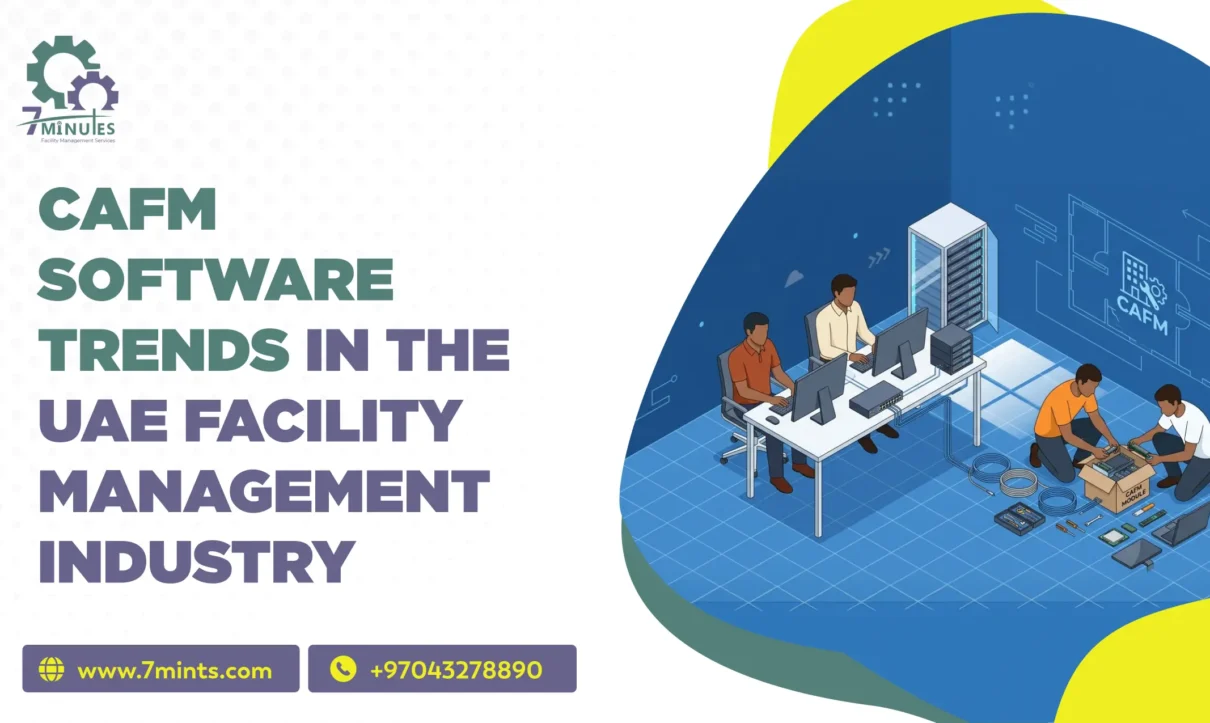
The UAE facility management sector is experiencing rapid growth because of increased real estate construction, smart city initiatives, commercial infrastructure development, and higher customer service standards. The management of residential communities, industrial sites, office buildings, hospitals, and shopping centers has become more complicated to handle. The maintenance practices of the past led to delays, which resulted in poor communication and increased execution expenses. Many companies have begun to implement CAFM software, which helps organizations achieve greater operational efficiency while optimizing their facility management activities.
Organizations can manage their maintenance activities, track their assets and workforce performance and compliance records, and service requests through a unified platform that uses CAFM software. The demand for digital facility solutions is increasing in the UAE because companies seek better building management systems that will help them save money. The industry faces several important CAFM trends that emerge from continuous technology development. The following key trends shape the facility management practices used throughout the United Arab Emirates.
1. Cloud-Based CAFM Solutions Are Growing Rapidly
Companies prefer cloud-based CAFM software because it allows them to access flexible systems from any location. Cloud platforms enable facility managers to conduct remote building operation monitoring, which differs from conventional software that necessitates high-priced hardware setups. This system proves beneficial for organizations that manage numerous sites throughout various regions in the United Arab Emirates. The system enhances operational capacity while diminishing IT support expenses.
Cloud-based systems provide automatic software updates and enhanced storage capacity as their primary advantage. The software system allows companies to securely manage maintenance records without needing to perform manual updates for the software. The team has established a secure storage solution that enables them to manage all their asset data together with inspection records and repair documents. The expansion of UAE businesses becomes more efficient through the utilization of cloud technology, which simplifies their ability to grow their operations.
Smart Building Integration is Increasing
Modern CAFM systems now enable users to connect their systems with IoT devices and smart lighting systems, HVAC systems, elevator systems, and security camera systems. Facility managers can use these integrations to track equipment performance throughout all operating hours. The system enables organizations to identify problems at an early stage, which prevents them from developing into larger operational challenges.
The air conditioning system sensors can detect both increased energy usage and system faults that occur outside of normal operation parameters. The CAFM platform alerts maintenance personnel who need to fix problems immediately.
Check out our latest blog post on How to Build a Career in Facility Management in the UAE
Predictive Maintenance is Replacing Reactive Maintenance
Business operations experience high costs from traditional maintenance systems, which only focus on equipment repairs after breakdowns happen. Daily activities face interruptions because unexpected equipment failures occur in offices, hotels, hospitals, and residential areas. The current CAFM software uses artificial intelligence technology to forecast maintenance requirements before actual problems develop. Organizations can achieve cost savings through emergency repairs, which this process helps to decrease.
The software uses historical performance data from assets, which include generators, elevators, and cooling systems, to perform its analysis. The system detects warning signs that lead to future equipment failures, and it automatically plans maintenance work for those upcoming breakdowns. Equipment longevity increases while operational efficiency receives enhancement from this practice. Organizations adopt predictive maintenance as their main approach because it delivers both time and cost savings.
Mobile Applications Are Improving Workforce Productivity
Facility technicians work throughout the day in multiple locations, which include large building spaces. Workers can use mobile-enabled CAFM applications to receive their job assignments through their smartphones and tablets. Workers can track their task progress without needing to visit the office. This process helps field teams to communicate with their managers more effectively.
Technicians can upload photographs, and they can finish inspection reports while they close work orders without any delay. Managers obtain instant updates about both finished assignments and current work requirements. The system decreases document handling needs while delivering faster service. Mobile technology makes facility operations more effective and better structured.
Sustainability and Energy Management Features Are Expanding
The United Arab Emirates needs to make sustainability a priority because it wants to achieve its environmental objectives and control its increasing energy expenses. Facility managers currently use CAFM software to track their electrical power consumption, their water usage, and their waste management operations. The platforms help businesses to discover their resource wastage areas. The solution offers organizations a way to improve their sustainability targets while decreasing their operational expenses.
Many companies are also using CAFM software to track carbon emissions and improve environmental compliance. Buildings can implement energy-saving strategies based on real-time usage reports. The information holds particular significance for malls, hotels, and commercial towers that operate with substantial utility expenses.
Compliance Management is Becoming Easier
UAE facility management companies must adhere to three critical requirements, which include safety regulations, maintenance standards, and inspection requirements. Organizations that use manual compliance processes face the risk of making mistakes and failing to meet deadlines. The CAFM software solution enables organizations to keep all their records in a centralized digital platform. The system enhances compliance tracking capabilities.
Managers can access all necessary documents, which include maintenance reports and safety certifications, inspection schedules, and audit documents. The system sends automated reminders to help teams finish their inspections before the scheduled time. The system protects businesses from legal risks while helping them avoid financial penalties. Modern facility management operations require digital compliance tools as essential components.
Data Analytics is Driving Better Decisions
The CAFM system gathers extensive information, which includes data from maintenance operations, asset management, workforce activities, and service requests. Businesses are now using analytics tools to turn this data into actionable insights. The system enables managers to find operational problems that they can use to boost operational efficiency. The system supports organizations in their decision-making process through knowledge-based data analysis.
Data analysis enables businesses to identify equipment that needs constant repairs and to determine which assets require excessive maintenance expenses. Businesses can then allocate resources more effectively. The system helps businesses to achieve better financial results while delivering improved customer service. Data-driven facility management is becoming increasingly important in the UAE.
Multi-Site Management is Becoming More Important
Facility management companies operate multiple buildings that span various cities and industry sectors. The business operations face difficulties because staff members handle maintenance tasks for different properties. Centralized dashboards in contemporary CAFM software enable users to solve this issue. All property details become accessible for managers through a single management system.
The system enables users to monitor maintenance activities and track staff efficiency and operational problems at various sites. The process improves team coordination while making international business executives work more efficiently. Businesses can use their standard operating procedures to provide uniform service delivery throughout their entire network of locations. The large operations in the UAE require organizations to use multi-site management tools, which have become essential for their business needs.
Better Tenant Experience Through Digital Platforms
Modern facility management now prioritizes tenant happiness as its primary objective. The modern CAFM systems provide tenant portals, which enable residents and commercial tenants to submit their maintenance requests through online platforms. Customers no longer need to contact organizations by phone or email to request service. The system delivers a customer experience that is more user-friendly.
The system gives tenants the ability to monitor their service requests and receive maintenance update notifications throughout the request process. The faster response times to customers lead to higher levels of customer satisfaction and trust. The property owners who implement this strategy experience both improved tenant retention and enhanced property reputation. Digital service platforms are becoming an important trend in the UAE market.
Conclusion
The United Arab Emirates facility management sector is adopting advanced technology solutions to improve its maintenance and operational procedures. Organizations use CAFM software to achieve operational efficiency and cost reduction while improving their environmental sustainability efforts and customer service quality. Contact Us as the United Arab Emirates will experience increased adoption of CAFM technology because the demand for smart building development continues to grow. Organizations that invest in these current trends will maintain their market position through future competition.



1 Comment
Comments are closed.