

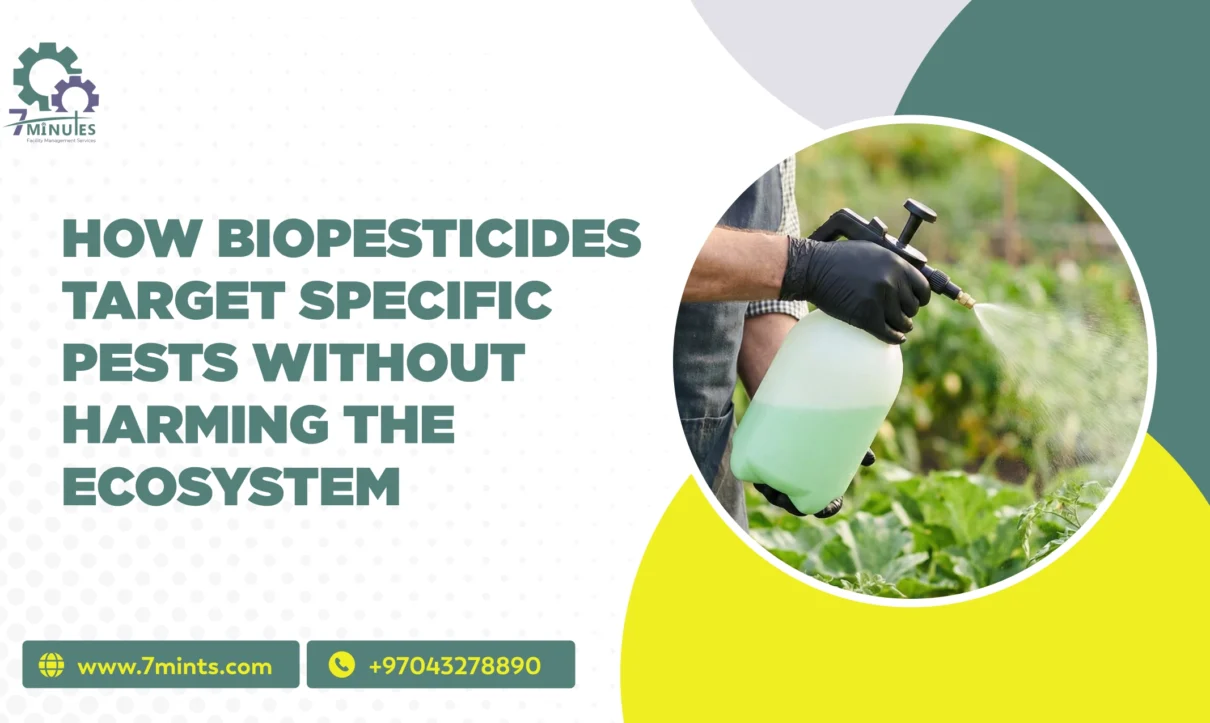
Modern agriculture faces a major challenge: protecting crops from harmful pests while maintaining environmental balance. Traditional chemical pesticides can control pest populations, but excessive or improper use may affect beneficial insects, soil organisms, pollinators, and surrounding ecosystems. As awareness of sustainable farming increases, biopesticides are becoming an important alternative for responsible crop protection.
Biopesticides are derived from natural sources such as microorganisms, plants, and certain naturally occurring substances. They can help farmers manage specific pests while reducing unnecessary harm to non-target organisms when selected and applied correctly. These products support biopesticides for targeted pest control, helping growers protect crops and maintain healthier agricultural environments.
What Are Biopesticides and How Do They Work?
Biopesticides are pest-control products derived from natural materials, including bacteria, fungi, viruses, plant extracts, and other biological substances. Unlike many conventional chemical pesticides, some biopesticides act against particular pest species or groups through specific biological mechanisms.
For example, certain microbial products affect the digestive systems of particular insect larvae, while some fungi infect and weaken specific insect pests. Botanical products may contain natural compounds that repel insects, disrupt feeding, or interfere with their development.
This targeted approach supports selective pest management, allowing farmers to control unwanted pests while reducing unnecessary exposure to other organisms. However, the level of selectivity depends on the active ingredient, product formulation, pest species, and application method.
How Biopesticides Target Specific Pests
The effectiveness of biopesticides comes from their different modes of action. Understanding these mechanisms helps farmers choose suitable products for their crops and pest problems.
1. Microbial Biopesticides
Microbial biopesticides contain beneficial microorganisms such as bacteria, fungi, and viruses that can control particular pests or plant diseases.
For example, certain strains of Bacillus thuringiensis (Bt) produce proteins that affect susceptible insect larvae when consumed. Some beneficial fungi can infect insects through contact and gradually reduce pest populations.
Because these microorganisms often have specific target organisms, they can support biopesticides for targeted pest control and reduce the need for broad-spectrum treatments. Their performance depends on environmental conditions, pest life stages, and correct application.
2. Botanical Biopesticides
Botanical biopesticides are produced from plant-derived substances. Neem-based products are a familiar example used in agricultural pest management.
Certain botanical ingredients can affect insect feeding, growth, reproduction, or behaviour. Some products repel pests, while others interfere with their development.
These natural pest control agents provide additional options for farmers seeking eco-friendly pest control solutions. However, natural origin does not automatically mean a product is harmless to all organisms. Farmers should follow label directions and consider potential effects on beneficial species.
3. Pest-Specific Biological Agents
Some biological products are developed to target particular pests or disease-causing organisms. These pest-specific biological agents can help farmers manage crop threats without applying unnecessary treatments across an entire growing area.
For example, a biological product designed for a particular insect pest may have limited activity against unrelated species. This can help maintain ecological balance when used as part of a carefully planned pest-control programme.
How Biopesticides Protect Beneficial Insects and Biodiversity
A healthy agricultural ecosystem includes more than crops. Bees, butterflies, ladybirds, predatory insects, spiders, earthworms, and soil microorganisms all contribute to ecological processes.
Broad-spectrum pesticide applications may affect some of these beneficial organisms. In comparison, carefully selected biopesticides can help support beneficial insects protection by reducing exposure to non-target species.
This is particularly important for pollinators. Bees and other pollinating insects support the reproduction of many flowering plants and agricultural crops. Choosing suitable products and avoiding applications during active pollinator periods can contribute to pollinator-friendly pest control.
Responsible product selection also supports biodiversity conservation in agriculture. Maintaining a variety of beneficial organisms can strengthen natural pest regulation and improve the overall resilience of farming systems.
The Role of Integrated Pest Management (IPM)
Biopesticides are most effective when they form part of a broader integrated pest management (IPM) programme. IPM combines different pest-control strategies to manage pest populations while minimising environmental and economic risks.
Common IPM practices include:
- Regular crop monitoring: Inspect crops to identify pest activity before infestations become severe.
- Biological control: Encourage natural predators and use suitable biological products.
- Cultural practices: Rotate crops, remove infected plant material, and maintain field hygiene.
- Mechanical control: Use traps, barriers, and physical removal where appropriate.
- Targeted application: Apply pest-control products only when monitoring indicates a genuine need.
Combining these techniques supports sustainable pest management and reduces unnecessary pesticide applications. It also helps farmers make informed decisions based on pest populations rather than following a fixed spraying schedule.
Why Biopesticides Are Important for Sustainable Agriculture
The growing adoption of biopesticides in agriculture reflects the need to balance crop productivity with environmental responsibility.
Some important benefits include:
1. Reduced environmental impact: Suitable biopesticides can offer alternatives to certain conventional pesticides and may reduce exposure to non-target organisms.
2. Targeted pest control: Products with specific modes of action can help manage selected pests without unnecessarily treating every organism in the field.
3. Support for soil health: Reducing reliance on certain broad-spectrum chemicals may help protect beneficial soil organisms, depending on the products and farming practices used.
4. Compatibility with IPM: Many biopesticides can be incorporated into integrated pest-management programmes, subject to compatibility with other treatments.
5. Sustainable farming practices: Responsible use can support long-term agricultural planning and resource management.
These benefits make biopesticides an important part of sustainable agriculture practices. Nevertheless, their effectiveness and environmental safety depend on the individual product and how it is used.
Biopesticide Solutions UAE: Supporting Sustainable Agriculture
Agricultural producers in the UAE face environmental challenges such as high temperatures, water limitations, and varying growing conditions. These factors make responsible crop protection an important consideration.
The adoption of suitable biopesticide solutions UAE can provide additional options for managing agricultural pests while supporting more environmentally conscious farming practices.
Farmers should select products registered and approved for their intended use, check crop and pest compatibility, and follow the manufacturer’s instructions. Temperature, sunlight, humidity, irrigation, and application timing can influence the performance of biological products.
Local agricultural experts and qualified suppliers can help growers identify suitable solutions for their crops and production systems.
Are Biopesticides Completely Harmless to the Ecosystem?
Although biopesticides are generally associated with more environmentally responsible pest management, they should not automatically be considered harmless. Some botanical substances and microbial products can affect non-target organisms under certain conditions.
Their environmental impact depends on the active ingredient, concentration, application timing, exposure levels, and surrounding ecosystem.
For this reason, farmers should avoid excessive application, follow product labels, protect pollinator habitats, and use approved products. This approach supports environmentally safe pest control and helps ensure that biological treatments are used responsibly.
Biopesticides can also contribute to non-toxic pest management solutions in certain settings, but the term non-toxic should not be interpreted as meaning that every product is harmless to people, animals, or the environment.
The Future of Ecosystem-Friendly Pest Control
Agriculture is gradually moving towards more precise and environmentally responsible crop-protection strategies. Research into microbial formulations, botanical ingredients, and improved delivery systems is creating new opportunities for biological pest control.
As product development advances, farmers may gain access to more effective ecosystem-friendly pest control options that complement existing agricultural practices.
The future of pest management will likely depend on combining biological products, monitoring technologies, crop rotation, natural predators, and responsible pesticide use. Rather than relying on one method, farmers can build integrated systems that protect crops while supporting environmental health.
Conclusion
Biopesticides offer an important approach to managing agricultural pests while considering the wider ecosystem. Through microbial products, botanical ingredients, and pest-specific biological agents, farmers can select treatments designed to address particular crop threats.
When combined with integrated pest management, beneficial insect protection, and responsible application practices, these products can support sustainable farming and biodiversity conservation.
The goal is not simply to eliminate pests but to maintain a healthy balance between crop production and nature. By adopting suitable biopesticides and responsible sustainable pest management practices, the agricultural industry can move towards more productive and environmentally conscious farming systems.
Frequently Asked Questions
Q1. What are biopesticides?
Biopesticides are pest-control products derived from natural sources such as microorganisms, plants, and naturally occurring substances. They are used to manage agricultural pests and certain plant diseases.
Q2. How do biopesticides target specific pests?
They use different biological mechanisms. Some microbial products affect particular insect larvae, while botanical products may repel pests or interfere with feeding and development.
Q3. Do biopesticides harm beneficial insects?
Some biopesticides have limited effects on non-target organisms, but this varies by product. Correct selection, timing, and application are important for protecting beneficial insects.
Q4. What are microbial biopesticides?
Microbial biopesticides contain microorganisms such as bacteria, fungi, or viruses that help control specific agricultural pests or plant diseases.
Q5. What is the difference between botanical and microbial biopesticides?
Botanical biopesticides are derived from plants, while microbial biopesticides contain microorganisms or their active biological products.
Q6. How do biopesticides support integrated pest management?
They can be combined with crop monitoring, biological control, crop rotation, mechanical methods, and other suitable techniques to manage pests more responsibly.



1 Comment
Comments are closed.