


Pest control is evolving as agriculture, technology, and environmental awareness continue to advance. Traditional chemical pesticides have helped farmers protect crops from insects, fungi, and other harmful organisms. However, excessive or inappropriate pesticide use can affect beneficial insects, biodiversity, soil health, and the wider ecosystem. As a result, the agricultural industry is exploring smarter and more targeted alternatives.
Modern innovations such as biotechnology, artificial intelligence, microbial products, and species-specific treatments are changing how pests are identified and controlled. These developments are shaping the future of pest control, where the focus is on managing harmful organisms effectively while reducing unnecessary environmental impact.
What Is Smart Pest Control Technology?
Smart pest control technology combines digital tools, biological research, monitoring systems, and data analysis to improve pest-management decisions. Instead of applying pesticides across an entire field based on routine schedules, farmers can use monitoring technologies to identify pest activity and determine where treatment is necessary.
Sensors, automated traps, remote cameras, and digital platforms can help track pest populations and environmental conditions. This information supports more accurate decisions about when and where to apply treatments.
By combining technology with biological methods, farmers can adopt smart agricultural pest control strategies that improve efficiency, reduce unnecessary applications, and support more sustainable crop protection.
How Biotechnology Is Transforming Pest Management
Biotechnology in pest management involves using biological knowledge and scientific techniques to develop more precise methods of controlling agricultural pests.
Researchers study microorganisms, plant compounds, insect behaviour, and biological interactions to develop products that affect specific pests. These developments include microbial formulations, plant-derived treatments, and other biological control technologies.
Biotechnology-based pest control offers alternatives to relying exclusively on conventional chemical pesticides. Its objective is to create effective pest-management options that can work alongside crop monitoring, natural predators, and other agricultural practices.
As research progresses, biotechnology is expected to play an increasingly important role in developing more selective and environmentally responsible crop-protection solutions.
Species-Specific Biopesticides: Targeting the Right Pests
One of the most promising developments is the use of species-specific biopesticides. These products are designed to target particular pest species or groups rather than affecting a broad range of organisms.
For example, certain microbial products contain biological agents that affect susceptible insect larvae. Other products may interfere with pest feeding, growth, reproduction, or development.
The use of pest-specific biological agents can help reduce unnecessary exposure of beneficial organisms when the product has a suitable selectivity profile and is applied correctly.
These treatments support targeted biological pest control, allowing farmers to focus on identified pest problems while considering the wider agricultural ecosystem.
However, species-specific does not automatically mean completely harmless. Product selection, application timing, dosage, and environmental conditions remain important.
Advanced Biopesticide Solutions and Microbial Innovations
Research into microorganisms is creating new opportunities for biological crop protection. Bacteria, fungi, and viruses can be used in different formulations to manage specific agricultural pests and plant diseases.
Microbial pest control solutions may work through different biological mechanisms. Some microorganisms produce substances that affect susceptible insects, while others infect particular pests or compete with disease-causing organisms.
These developments are contributing to advanced biopesticide solutions that can be incorporated into integrated crop-protection programmes.
The next generation of products may offer improved formulation stability, storage performance, application convenience, and effectiveness under different agricultural conditions.
These next-generation biopesticides could help farmers manage pest populations with greater precision, although their performance will continue to depend on product quality and correct use.
The Role of AI-Powered Pest Detection
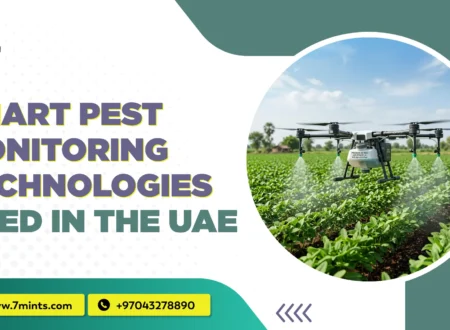
Artificial intelligence is becoming a useful tool for identifying and monitoring agricultural pests. AI-powered pest detection systems can analyse images captured through smartphones, cameras, drones, and other monitoring devices.
Depending on the technology and available training data, these systems can help identify visible pest species, recognise signs of crop damage, and track changes in pest populations.
Some potential applications include:
- Image-based pest identification: Analysing crop images to identify visible insects and damage patterns.
- Automated monitoring: Using cameras and sensors to observe pest activity.
- Predictive analysis: Combining environmental and historical data to estimate potential pest risks.
- Targeted treatment planning: Helping farmers identify areas that may require further inspection or treatment.
When combined with precision agriculture technology, these tools can support better decision-making and more efficient crop protection.
AI systems should be used as decision-support tools rather than automatic substitutes for expert pest identification and field inspections.
Precision Pest Management and Integrated Pest Management Technology
Precision pest management focuses on applying the right treatment in the right place at the right time. It uses monitoring data, pest identification, environmental information, and targeted interventions to improve pest-control outcomes.
This approach can be strengthened through integrated pest management technology, which combines biological, cultural, mechanical, and carefully selected chemical methods.
- Monitoring crops regularly to identify pest activity.
- Identifying the pest species before choosing a treatment.
- Encouraging beneficial insects and natural predators.
- Using suitable biological products when necessary.
- Evaluating treatment results and adjusting the management strategy.
These sustainable pest control methods can reduce unnecessary pesticide applications and support long-term agricultural productivity.
Genetic Pest Control Technology: Opportunities and Considerations
Genetic pest control technology is another developing area of research. It includes scientific approaches that aim to influence pest populations through genetic or reproductive mechanisms.
Some research explores methods that could reduce the ability of certain pest populations to reproduce or transmit diseases. These technologies may offer targeted approaches to managing specific pest species.
However, genetic pest-control methods require careful scientific assessment, regulatory oversight, and evaluation of possible ecological consequences. Their suitability depends on the target organism, technology, and local environmental conditions.
They should be considered part of an evolving research field rather than a universal solution for agricultural pest problems.
Sustainable Pest Control and Eco-Friendly Agriculture
The demand for eco-friendly pest management is increasing as farmers and agricultural businesses look for ways to protect crops while conserving natural resources.
Modern biological treatments can support this transition when they are selected and applied responsibly. Combining species-specific products with crop rotation, field sanitation, monitoring, and natural predators can reduce dependence on routine broad-spectrum treatments.
These practices contribute to wider sustainable agriculture solutions by supporting biodiversity, improving resource management, and encouraging responsible crop protection.
The objective is not to eliminate every insect from agricultural fields. Instead, it is to maintain pest populations below damaging levels while protecting organisms that contribute to ecosystem health.
Biopesticide Innovations UAE: Opportunities for the Agricultural Sector
Agriculture in the UAE operates under challenging environmental conditions, including high temperatures, water limitations, and varying growing environments. These factors make effective and adaptable crop-protection strategies particularly important.
Emerging biopesticide innovations UAE can offer additional options for growers seeking more environmentally responsible pest-management methods.
Microbial products, botanical treatments, precision monitoring, and integrated pest-management programmes may help farmers address selected crop pests while reducing unnecessary pesticide use.
Before adopting any product, agricultural businesses should verify local registration and approval, check crop and pest suitability, and follow manufacturer instructions. Local climate conditions can also influence the effectiveness and storage requirements of biological products.
What Does the Future of Pest Control Look Like?
The future of pest management is likely to combine biotechnology, digital monitoring, artificial intelligence, and biological crop-protection products.
Farmers may increasingly use automated monitoring systems to identify pest problems, while advanced biological products provide more targeted treatment options. Research into microbial formulations and species-specific approaches may also expand the range of available crop-protection tools.
Successful adoption will depend on scientific research, product quality, farmer education, regulatory standards, and practical field testing.
Ultimately, the most effective approach will combine technology with responsible agricultural practices. By bringing together smart monitoring, biological innovation, and integrated pest management, the industry can move towards more precise and sustainable crop protection.
Conclusion
Smart biotechnology and species-specific biopesticides are creating new possibilities for modern pest management. From AI-powered identification to microbial products and precision agriculture, these innovations can help farmers make better decisions and manage pests more selectively.
Although no single technology can solve every pest problem, combining biological products with monitoring and integrated management can support more sustainable farming systems. As research advances, these approaches may become increasingly important in building productive agricultural systems that protect crops while respecting the surrounding ecosystem.
Frequently Asked Questions
Q1. What is smart pest control technology?
Smart pest control technology uses sensors, digital monitoring, AI, and data analysis to identify pest activity and support more accurate treatment decisions.
Q2. What are species-specific biopesticides?
They are biological pest-control products designed to affect particular pest species or groups rather than a broad range of organisms.
Q3. How does biotechnology help in pest management?
Biotechnology supports the development of microbial products, botanical treatments, and other biological approaches that can help control agricultural pests.
Q4. What is AI-powered pest detection?
It uses artificial intelligence to analyse images and monitoring data to help identify pests, recognise crop damage, and track pest activity.
Q5. What are microbial pest control solutions?
These solutions use microorganisms such as bacteria, fungi, and viruses, or their biological products, to manage specific pests or plant diseases.



2 Comments
Comments are closed.