The facility management industry in the UAE is experiencing rapid change because organizations are starting to adopt both automation and smart technologies. Businesses are now using artificial intelligence, IoT devices, and automated systems to enhance their operational efficiency while decreasing their unnecessary costs. Automation has become essential for organizations to run their daily operations throughout their office buildings, shopping malls, and residential towers. The technologies enable companies to operate their buildings in a more efficient manner while delivering exceptional service to their customers.
UAE businesses have encountered increasing operational expenses throughout recent years, which especially affect their energy use and maintenance costs and their labor management expenses. Automation delivers an effective solution through its capacity to decrease manual tasks while optimizing resource distribution. Smart systems enable equipment performance tracking and energy consumption management and automatic maintenance scheduling. The result enables companies to decrease their expenses while they boost work output and establish enduring cost savings.
UAE Market Sees Increased Need For Intelligent Building Management Systems
The UAE government actively supports smart city development, together with sustainable infrastructure initiatives that extend throughout the nation. The Dubai Smart City project and the UAE Net Zero 2050 initiative are driving organizations to implement digital solutions together with automated building management systems.
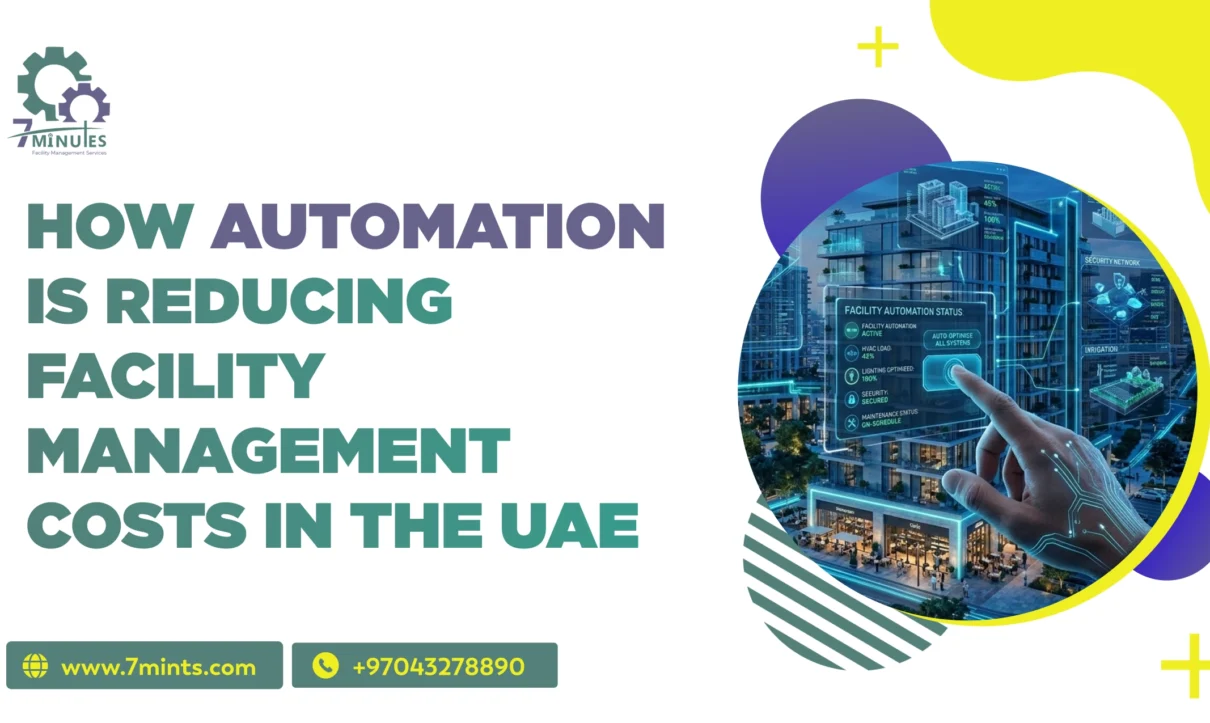
A facility management system that uses intelligent technology enables building managers to control multiple facility operations from a single management interface. The systems perform real-time control of all building functions, which include lighting and air conditioning, security, and maintenance tasks. The building automation system operates equipment at the necessary times, which results in decreased human mistakes and increased operational efficiency of the building. The system enables organizations to decrease their operational expenses while delivering superior comfort and security protection for their building occupants.
Predictive maintenance is reducing repair costs.
The conventional maintenance system depends on reactive maintenance, which requires technicians to repair equipment after it has already experienced a breakdown. The method incurs high costs because unexpected machinery breakdowns disrupt business activities and create unplanned maintenance expenses. Automated systems use machine learning for predictive maintenance to identify potential equipment failures through their built-in AI and IoT monitoring systems. The systems conduct ongoing assessments of both machine and facility management system performance throughout the entire operational period.
Predictive maintenance assists facility managers in detecting equipment malfunctions through the detection of unusual vibrations, temperature fluctuations, and performance faults. The system enables maintenance crews to conduct equipment repairs before reaching the critical point, which results in reduced operational downtime and increased equipment durability. The system enables businesses to maintain their operational systems while avoiding high emergency maintenance costs. Predictive maintenance delivers long-term cost reductions for repairs, which supports organizations in achieving better asset management results throughout their operations.
Smart Energy Management is Lowering Utility Bills
Smart buildings unify their components through a single platform that integrates automation systems, artificial intelligence, Internet of Things devices, and centralized control systems. The intelligent buildings enable facility managers to observe all building operations through one dashboard, which enhances their ability to monitor and manage building systems. The automated systems perform continuous optimization of energy consumption, maintenance activities, and security functions throughout all operational hours. The result establishes an operational space that delivers increased operational effectiveness at reduced expenses.
The implementation of smart building technologies demands a high initial investment yet delivers significant financial savings throughout their operational life. The expenses that businesses incur for utilities decrease while their equipment breakdowns and maintenance needs also decline over time. Smart buildings create an environment that enhances occupant comfort while delivering operational reliability and sustainable performance. Automation functions as a strategic investment that provides organizations in the UAE with long-term value.
Challenges of Facility Management Automation
Facility management automation faces multiple obstacles that must be addressed. The advantages of automation for businesses in the UAE bring about specific operational difficulties that organizations must face. The implementation of advanced technologies and existing infrastructure upgrades requires organizations to bear high initial expenses. Before installing smart systems in older buildings, organizations need to undertake extensive building modifications. Organizations face challenges when they try to integrate new technologies into their existing systems.
The existing workforce lacks enough skilled workers who possess the necessary expertise to handle advanced automation systems and maintain their operations. Businesses need to allocate funds for employee development and technical support to maintain operational functions without interruptions. The automation systems depend on real-time data, which makes data accuracy and cybersecurity essential aspects of their operation. Effective system planning and management become essential for achieving successful outcomes. Check out our latest blog post on Complete Guide to Outsourcing Facility Management in the UAE.
The Future of Automated Facility Management in the UAE
The future of facility management in the UAE will be strongly driven by artificial intelligence, automation, and smart infrastructure development. The ongoing investments of the country into smart cities and sustainable buildings will lead to increased adoption of intelligent facility management systems by organizations. Digital twins, autonomous maintenance systems, and AI-powered analytics will become standard technologies in commercial properties. The new technologies that are being developed will create operational efficiency gains that will result in higher cost savings.
The UAE market experiences rapid growth; therefore, businesses that implement automation solutions before their competitors will achieve better market results. Automated systems will help organizations reduce operational costs, improve sustainability, and deliver better services to tenants and customers. The demand for smart facility management solutions is expected to grow significantly in the coming years. The automated systems will continue to transform building management across the United Arab Emirates.
Conclusion
The UAE experiences operational efficiency improvements and cost savings through automated solutions, which are reshaping facility management. Enterprises use predictive maintenance systems and AI-driven surveillance and intelligent energy solutions and automated workflow systems to achieve operational efficiency. Contact us as the systems decrease energy consumption while they enhance equipment functionality and decrease unplanned maintenance costs.
Organizations use automation to enhance tenant satisfaction, environmental protection, and the delivery of services. The future will establish smart automated facilities as the new standard for all commercial and residential buildings in the UAE.