

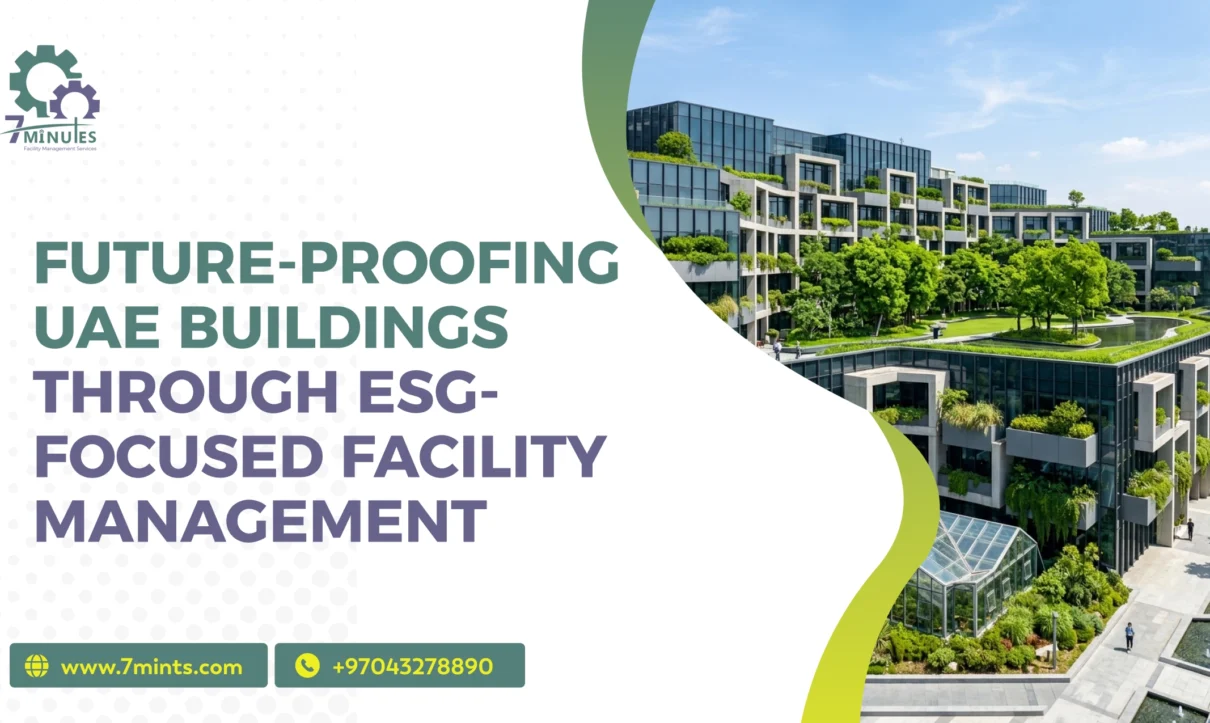
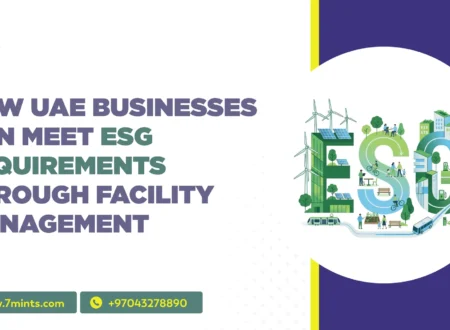
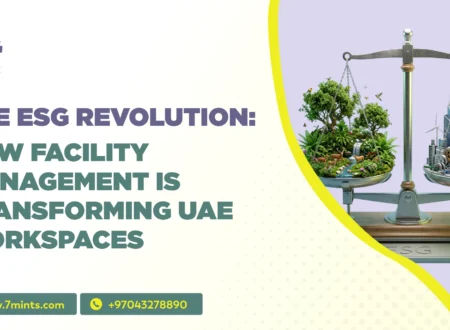
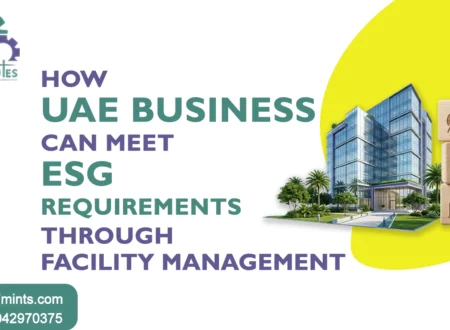
As the UAE accelerates its transition toward a sustainable and resilient economy, building owners and facility managers are under increasing pressure to align their operations with Environmental, Social, and Governance (ESG) principles. Modern buildings are no longer evaluated solely on their design or operational costs—they are also assessed on their environmental impact, occupant wellbeing, and governance practices.
ESG-focused facility management enables organizations to future-proof their buildings by improving energy efficiency, reducing carbon emissions, enhancing workplace experiences, and ensuring compliance with evolving sustainability standards. This strategic approach helps businesses protect their investments while contributing to the UAE’s long-term sustainability goals.
Why Future-Proofing Buildings Matters in the UAE
The UAE’s rapidly growing urban landscape, ambitious sustainability initiatives, and increasing regulatory requirements have made resilient building management more important than ever. Commercial properties, residential communities, healthcare facilities, and industrial buildings must adapt to changing environmental expectations while maintaining operational efficiency.
Future-proofing involves designing and managing buildings that can respond to technological advancements, climate challenges, and evolving business needs. Facility management plays a central role in achieving this by integrating sustainability into every aspect of building operations.
Why ESG Matters for UAE Buildings
1. Supporting National Sustainability Goals
The UAE government has kicked off a bunch of sustainability initiatives, trying to cut carbon emissions and push environmental responsibility across different sectors. Honestly, buildings eat up a big chunk of energy and materials, so they’re kind of a primary place where these efforts land. Facility management teams also play a role; they help organizations align with these national aims by putting in energy-efficient tech and using more sustainable daily operations. When that happens, it ends up supporting a greener, more environmentally aware future for the UAE.
And if you look at it through ESG facility management, organizations can really back the UAE’s direction toward sustainable development. Things like smart energy setups, renewable energy use, and conserving resources are practical steps that help lower the environmental footprint. These actions not only tie into government targets, but they also make day-to-day operations run more smoothly. Since sustainability is becoming a must-have, companies that get serious about ESG are usually more ready for whatever environmental pressure shows up later.
2. Meeting Investor and Tenant Expectations
These days, modern investors and tenants seem to care a lot more about whether a building actually shows strong sustainability results. ESG-aligned properties are often seen as more dependable, partly because they lean into efficiency, environmental responsibility, and that longer-range value creation. As people get more aware of sustainability, the need for environmentally responsible buildings keeps climbing. So ESG becomes a deciding factor in bringing in and keeping strong tenants and serious investors.
Buildings with strong ESG performance can often end up with better occupancy levels and broader market appeal, too. Tenants seem to like the combination of lower utility outlays, a healthier indoor setting, and everyday sustainable actions. Investors, in turn, look toward properties that are capable of generating long‑term financial returns while keeping environmental plus regulatory exposure low. Then, facility management teams step in; basically, they keep those expectations in check and make sure the buildings stay relevant out there in the market.
3. Ensuring Regulatory Compliance
In the UAE, environmental rules and sustainability benchmarks keep gaining weight. Organizations are expected to meet a mix of local laws and published guidelines covering things like energy efficiency, waste handling, and environmental reporting. If requirements aren’t met, the consequences can include penalties, reputational harm, and even sudden operational interruptions. Facility management teams help organizations stay aligned by putting in place suitable sustainability measures.
Taking a proactive route to compliance can let businesses adjust more smoothly when regulations shift. Facility managers track building performance, maintain documentation, and verify that day‑to‑day operations fit with the latest expectations. They also surface compliance risks early, before they grow into major problems. That kind of attention supports steady operations while also pushing ESG results in a better direction.
Environmental Strategies in ESG-Focused Facility Management
1. Energy Efficiency Optimization
Energy use usually counts as one of the highest ongoing costs for most buildings. Facility managers can reduce consumption by improving HVAC systems, adding energy‑efficient lighting, and deploying smart building technologies. These actions support stronger energy performance, and they cut down on avoidable waste. Better efficiency can also improve tenant satisfaction, but sometimes this connection is indirect and still very real.
Smart monitoring systems offer real-time visibility into building energy use, so facility managers end up spotting problems faster. Then they can sort through the numbers and pinpoint inefficiencies, which makes decision-making more practical for how resources are used. Plus, there’s regular maintenance that keeps systems running in “best shape” instead of kind of drifting off over time. All of these actions together help cut carbon emissions quite a lot, and they also tie into wider sustainability targets.
2. Water Conservation Initiatives
Water conservation matters a lot in the UAE, mostly because natural water is scarce and the demand stays high. Facility managers can bring in low-flow fixtures, smart irrigation systems, and even leak detection solutions to reduce overall water consumption. With these tools, buildings continue functioning normally but still use less water in their day-to-day. Effective water management also supports environmental sustainability objectives in a more direct way.
Cutting down water waste helps the environment, and it typically lowers utility expenses, too. Continuous monitoring can reveal leaks or weak spots before they turn into expensive situations. Organizations that focus on water saving are basically showing responsible stewardship of resources. That shows up positively in ESG outcomes and also in long-term operational efficiency, overall.
3. Waste Management and Recycling
Waste management is a key part of ESG-centered facility management. Buildings produce different kinds of waste, like paper, plastic, food waste, and construction materials. Facility managers can set up waste sorting routines along with recycling programs to reduce what ends up in landfills. These steps support a smaller environmental footprint, and they also push sustainability forward in a measurable way.
Recycling programs usually push people living and working in a building toward more responsible waste disposal; you know, it’s kind of the whole point. Then, facility managers can coordinate with the waste management providers, and they might adjust a few process details to raise the recycling numbers while also reducing waste generation. On top of that, educational campaigns, even the basic ones, help build awareness and get more participation going. When all of it is put together, it often results in a cleaner, more sustainable building environment, and honestly, it tends to show over time.
4. Sustainable procurement practices
Sustainable procurement is basically about purchasing environmentally friendly products and services that align with ESG goals. Facility managers might select suppliers who genuinely prioritize sustainability and who can deliver eco-friendly materials. That can cover energy-efficient equipment, environmentally safe cleaning supplies, and even recycled building components. Those decisions are important because they reduce environmental impact not only at the site but across the entire supply chain.
Also, choosing sustainable products can make daily operations feel smoother, plus it can lower long-term costs. A lot of green solutions tend to offer strong performance and durability, sometimes even surpassing the more traditional alternatives. In a way, sustainable procurement acts like a signal of responsible business conduct. It also supports the organization’s overall ESG profile, and it can strengthen the reputation, too, which matters.
Social impact through facility management
1. Enhancing occupant health and well-being
Creating healthy and comfortable environments is a key part of the social element of ESG. Facility managers can help improve indoor air quality, keep ventilation systems working properly, and uphold high cleanliness standards. These steps help make the workplace healthier, and honestly, the occupant experience tends to feel better, too. When the surroundings are healthy, it supports employee output and overall well-being in a very practical way.
Spending on occupant wellness often means less absenteeism, plus more satisfaction over time. When indoor conditions feel comfortable, people concentrate more easily, and the morale at work stays steadier. Organizations that put employee health first show social responsibility and genuine care for their workforce. In the end, this also strengthens the organizational culture and can improve ESG results.
2. Strengthening Health and Safety Standards
Health and safety are still core duties for facility management teams. Regular inspections, preventive maintenance, and emergency preparedness planning help reduce workplace hazards. With this in place, occupants can work and live in a safe setting. Having strong safety standards matters because it keeps trust and confidence high among stakeholders.
A proactive posture toward safety also reduces accidents, injuries, and operational interruptions. Facility managers keep evaluating risks and then applying corrective actions where it’s needed. Employee training plus awareness programs further boost safety performance. Taken together, these efforts make a building environment more secure and resilient, not just “safer” in theory.
3. Promoting Accessibility and Inclusivity
Newer facilities should be designed so they work for people with different needs and abilities. Facility managers can meet accessibility standards by adding ramps, elevators, accessible restrooms, and clear, readable signage. These details make buildings more inclusive and make it easier for individuals to move around independently, at least in most normal scenarios.
Inclusive places and amenities help make things feel more welcoming for employees, visitors, and tenants. When organizations actually put accessibility first, they show respect and careful attention for everyone who uses the space. Because of that, their public image tends to look better, and they also get support for wider diversity plus inclusion objectives. Even building management that’s more inclusive can matter for long-range occupant satisfaction; it keeps people feeling comfortable over time.
Governance habits for sustainable building management
1. Data clarity and reporting
Being open with information is sort of the foundation of good governance inside ESG frameworks. Facility managers gather details about energy use, water intake, waste created, and overall sustainability results. That kind of data makes it easier to track whether the org is moving toward ESG goals, and it also points out where the gaps are. When reporting stays precise, it supports accountability, and it makes decision-making more solid.
Right now, stakeholders are expecting clearer, dependable ESG updates. Transparent reporting signals responsible stewardship and serious sustainability efforts. It also gives organizations a way to build trust with investors, tenants, regulators, and customers. If done well, it improves governance quality and makes ESG credibility stronger, overall.
2. Risk management and resilience planning
Buildings deal with lots of risks, climate pressures, for example, equipment failures, and changes in regulations. ESG-oriented facility management includes figuring out these risks ahead of time and setting up strategies to handle them. This kind of early preparation helps organizations keep operations running if something unexpected happens. It also lowers the number of disruptions that can disrupt day-to-day business activity.
Resilience planning helps prep buildings for what’s next, like the shifting environmental stuff and other upcoming challenges, too. Facility managers scan for weak points, then roll out preventative actions that end up making the building perform better. Over time, this backs up long-term steadiness and sustainability. Teams that manage risk in a sharp way tend to sit in a stronger position for future success.
3. Leveraging smart building technologies
Technology is changing how buildings are operated and kept in shape. Smart sensors, automated controls, and building management systems supply helpful data about building performance. Facility managers use that information to fine-tune energy use, shift maintenance calendars, and upgrade everyday operations. In practice, technology is a major deal for landing ESG targets.
Predictive maintenance tools help spot problems earlier, before they turn into those costly breakdowns, and you know it tends to go faster after that. With automated systems, it’s easier to stretch resources a bit more wisely and, at the same time, reduce waste and the ongoing operational costs. Smart tech then backs up sustainability reporting by supplying dependable performance metrics. Altogether, these upgrades nudge buildings to be more efficient, more resilient, and also ready for whatever comes next.
Benefits of ESG-focused facility management
1. Reduced operating costs
When ESG efforts are properly managed, they can meaningfully reduce a building’s operating expenses. Energy-saving setups, water conservation actions, and preventive maintenance programs help bring down utility bills and reduce maintenance expenses. The savings build over time, and that then supports better financial outcomes. Organizations can redirect those funds into more sustainable projects.
And no, lowering costs doesn’t have to mean weaker building performance. In many cases, sustainable practices raise efficiency, and they can even improve occupant comfort.
2. Improved Asset Value
Buildings with strong ESG credentials are, like, more and more considered valuable by investors and tenants. Sustainable properties often end up with higher occupancy rates and also a steadier pull of market demand. At the same time, they’re usually better set up to deal with upcoming regulatory requirements and the broader sustainability expectations. So in the end, it helps strengthen long-term asset value and investment potential.
ESG-focused improvements also support better building performance along with operational resilience. Investors tend to see the point of properties that can flex when market conditions shift. And facility management teams make sure these gains don’t just fade out by pushing continuous improvement initiatives. This kind of approach underpins long-term value creation and business success, too.
3. Enhanced Brand Reputation
Organizations that prioritize ESG show a form of leadership in sustainability and corporate responsibility. Strong ESG performance boosts brand reputation across customers, investors, employees, and business partners. Stakeholders increasingly prefer to collaborate with organizations that genuinely back environmental and social objectives. This creates a warmer public image and, generally, strengthens market positioning.
A solid reputation can open more business doors and support stronger stakeholder relationships. Organizations that highlight sustainable building practices tend to gain a competitive edge. Also, ESG-focused facility management helps communicate these commitments using measurable outcomes. That, in turn, contributes to long-term trust, credibility, and growth.
Conclusion
So basically, future-proofing UAE buildings is not just about doing the usual maintenance or squeezing out a bit more operational efficiency. It’s more like organizations have to fold environmental responsibility, social well-being, and solid governance into how they actually manage facilities day to day. Contact us as this is where ESG-focused facility management helps, as it provides a more structured way to pursue those goals while also boosting building performance and long-term sustainability. And honestly, it can make organizations more resilient when the business landscape keeps shifting fast.
As sustainability expectations keep rising, ESG will matter more and more for UAE building success. Facility managers who truly lean into ESG can lower expenses, make occupants happier, support compliance, and lift asset value. Invest today, and tomorrow is easier.

1 Comment
Comments are closed.