

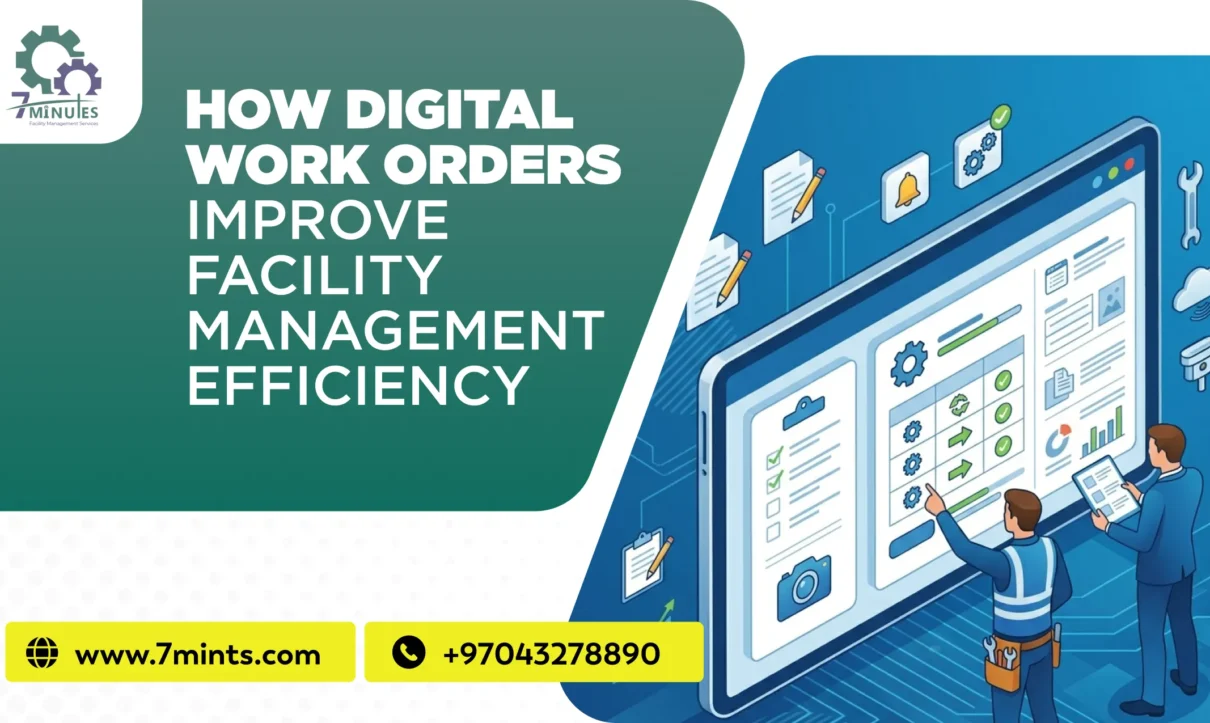
Digital work orders are changing the way facility management works in modern organizations. Instead of relying on paper-based systems or doing everything through manual requests, businesses are starting to use digital platforms to assign and follow up on maintenance tasks. That shift seems small, but it actually makes the whole flow faster, more organized in practice, and way easier to oversee. Also, the facility teams get a better chance to react quickly and, honestly, reduce those annoying delays that pop up during everyday operations.
In places like commercial buildings, hospitals, and manufacturing units, timing for maintenance is extremely important. With digital work order systems, the idea is simple: no request gets overlooked or sits around too long. Each task is logged, tracked, and managed in real time, which improves efficiency and also lowers operational misunderstandings among the facility management teams.
What Are Digital Work Orders?
A digital work order is an electronic request used to schedule, assign, track, and document maintenance tasks. Instead of relying on paper forms or phone calls, facility managers use computerized maintenance management systems (CMMS) or facility management software to create and manage work orders from a computer or mobile device.
Digital work orders typically include:
- Asset or equipment information
- Maintenance task details
- Technician assignments
- Priority level
- Due dates
- Photos and attachments
- Checklists
- Completion status
- Maintenance history
Everything is stored in one centralized platform, making maintenance operations more organized and transparent.
Key Ways Digital Work Orders Improve Facility Management Efficiency
1. Faster Task Assignment and Faster Response Time
Digital work order systems really lift the speed of task assignment in facility management. Instead of waiting for manual approvals or making phone calls that can take forever, managers can push tasks instantly through a digital platform. This cuts down on communication lags, and maintenance teams receive the instructions right away. So when something goes wrong, issues get addressed far faster than with older approaches.
That quicker assignment then turns into quicker response times, which matters a lot in day-to-day facility work. Technicians get crisp guidance, priority levels, and location details in real time. Fewer questions, less back and forth, and they can start the job sooner. In the end, it supports higher productivity and helps keep facility operations running in a smoother rhythm.
2. Real-Time Tracking of Maintenance Activities
Real-time tracking is one of the most powerful benefits of digital work order systems, honestly. Facility managers can watch every task from the moment it is created until it is actually completed or, at a minimum, until it gets the right status. With a sightline, they can sort out what’s still pending, what’s actively being worked on, and what’s finished at any given moment. It also really comes in handy when priorities flip. Plus, it supports sharper decision-making and smoother workflow control.
It also strengthens accountability across technicians and staff, which sounds simple but matters. Since every update is logged digitally, managers can see pretty clearly who is responsible for each task. That reduces the chances of misunderstandings, and it nudges discipline across the whole crew. In short, real-time tracking keeps facility management operations in tighter shape, even when things get busy and chaotic.
3. Better Communication Between Teams
Digital work orders improve how managers, technicians, and other facility team members communicate. Instead of depending on spoken instructions or paper notes that somehow always get misplaced, the whole thing is shared through one central place. So everyone can pull up the same up-to-date information at the exact time they need it. It cuts down on communication gaps and trims errors, too.
Technicians can update progress right within the system, upload images as well, and even leave quick comments. That helps managers understand the situation with less guesswork and respond with near-instant feedback if needed. When the exchange is cleaner, troubleshooting tends to move faster, and the workflow feels steadier, not so jumpy.
Check out our latest blog post on Smart Sensors and Their Impact on Facility Maintenance
4. Improved Resource and Workforce Management
Digital work order systems help managers use resources and the workforce a bit more efficiently in a calmer way. Jobs can be handed out based on technician skills, current availability, and even what the workload looks like today. That way, nobody gets swamped, while other people aren’t just idling or underutilized. Basically, it builds a more balanced and organized work environment that feels steadier.
They also help keep track of the materials and tools needed for each task. Managers can plan resources ahead of time, and they can dodge those delays caused by shortages. As a result, there’s less downtime, and the overall productivity goes up. So in general, resource management becomes more structured and efficient when these digital systems are used.
5. Data-driven decision-making
Digital work order systems also make data, which helps managers make better and faster decisions. They can look through reports on how quickly tasks get handled, what problems keep popping up again and again, and what the actual maintenance costs look like. This info highlights the weaker spots in facility operations, sort of like a map for where things slip. And on top of that, it supports smarter long-term planning and overall performance too.
With that in mind, companies can shift from reactive maintenance to preventive maintenance. Instead of waiting for failures to show up, they plan upkeep. That usually means fewer surprise breakdowns, and in most cases, it also helps equipment last longer. So in the end, these data-driven calls make facility management feel a lot smoother and easier to run day to day.
6. Reduced paperwork and Administrative Burden
Digital work orders cut down on the heavy paperwork that often comes with facility management. Maintenance requests and reports are stored digitally in one place, not spread across folders, desks, or random places. That way, it is simpler to grab what you need anytime, without rummaging around for documents. It saves real time, and it keeps the whole setup tidier and more organized, even if people are in a hurry.
It also lowers the administrative workload for managers and staff. There’s no real fear of losing important documents or records. Everything is stored securely, and it can be pulled up instantly. That makes the entire process more efficient, and honestly, a bit more environmentally friendly too.
7. Better Accountability and See-through Operations
Digital systems enhance accountability by tracking every task from the moment it begins to when it is finished. Every technician’s work history gets logged, so performance review becomes easier, or, more precisely, less of a guesswork exercise. This usually pushes employees to close tasks on schedule and keep up quality benchmarks. It also strengthens day-to-day discipline inside the team, sometimes in a quiet but noticeable way.
Transparency is also a major upside of digital work orders. Managers can check real-time progress and confirm completed items with less effort. As a result, misunderstandings are reduced, and disagreements become harder to start.
8. Preventive Maintenance and Less Downtime
Digital work order systems can support preventive maintenance by using historical information and performance trends. Instead of waiting until something breaks, facility managers can plan routine maintenance earlier. That approach helps avoid bigger malfunctions, and it reduces unexpected interruptions too. Equipment reliability tends to improve as well, because issues are noticed earlier.
With preventive maintenance, downtime can drop significantly, which supports stable operations. Repair expenses are often lower, and machines or systems can last longer. Businesses end up with fewer stoppages and better day-to-day flow. In other words, it’s a more anticipatory advantage, not just a reactive one.
9. Connection with Smart Technologies
Most current digital work order platforms can connect with IoT devices plus smart sensors. These gadgets can detect problems like equipment failure or unusual performance patterns automatically. Then the system creates a work order itself, without requiring a human to kick things off. That speeds up the process and improves accuracy at the same time.
This type of integration cuts down on manual watching, and it boosts automation. Facility managers can address concerns before they grow into bigger headaches. It also increases overall efficiency and reduces operational risks. Smart technology integration
The Future of Digital Work Orders
As facility management becomes increasingly data-driven, digital work orders will continue to evolve through technologies such as artificial intelligence (AI), the Internet of Things (IoT), predictive analytics, and automation.
These innovations will enable maintenance teams to anticipate equipment failures, automate scheduling, optimize resource allocation, and further improve operational efficiency.
Conclusion
Digital work order systems are changing facility management because they make things faster, clearer, and overall more efficient. Basically, businesses can handle maintenance tasks in a more structured way, with better transparency, too. That helps cut down on delays, supports smarter allocation of resources, and lifts the general productivity level.
When organizations adopt these systems, they can also lower costs while improving service quality. Contact us as In other words, it’s a required step for modern facility management in today’s fast-moving digital world, and you really can’t ignore it.







2 Comments
Comments are closed.