

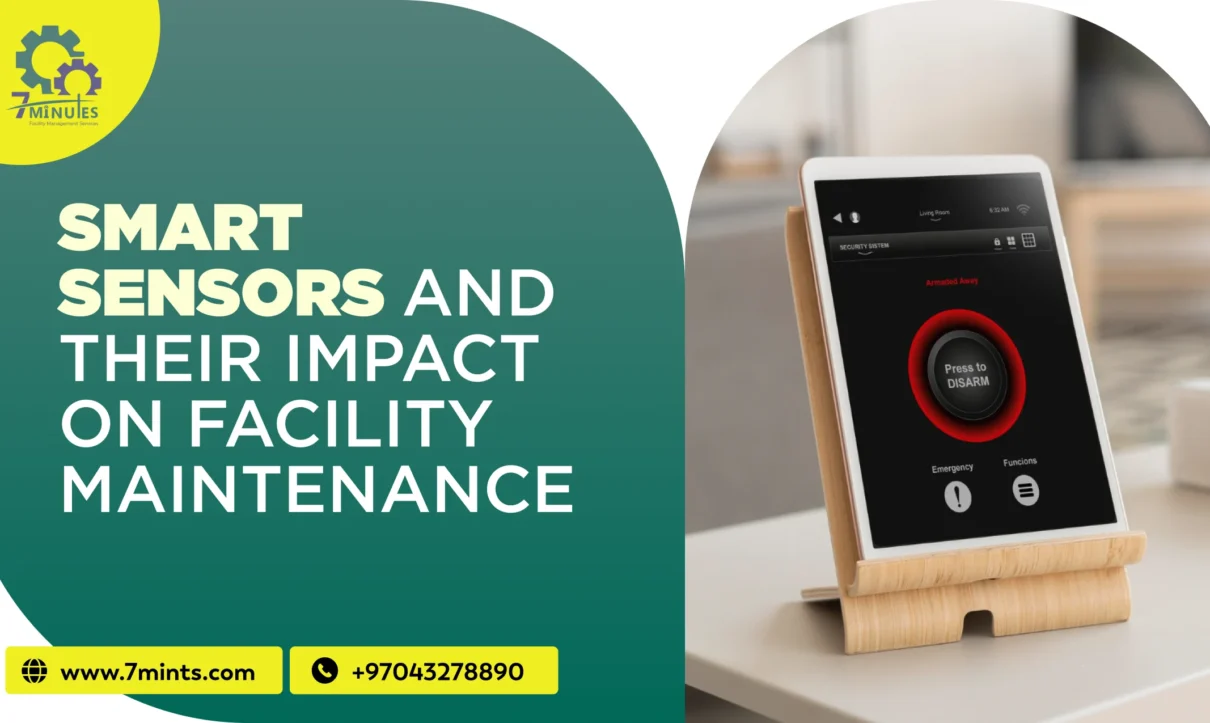
Facility maintenance has changed a lot lately, mostly because smart technologies, like sensors and automation systems, have moved into day-to-day building operations. Basically, these tools help a building run more smoothly, with less hands-on work and better decision-making, too. Smart sensors continuously watch over equipment, and they push real-time info to the people managing the facility. With that, managers can spot trouble earlier, instead of waiting for something to go wrong or just suddenly break. Overall, it’s making maintenance feel more advanced, more predictive, and also more cost-efficient, even if sometimes it takes some time to set up properly.
Back in traditional maintenance methods, problems were often noticed only after a failure had happened. That, of course, meant higher repair bills, plus downtime, and everyone hates that part. But now, with smart sensors, maintenance teams can monitor systems continuously. They can respond before the issue grows into something serious. This kind of change has boosted operational dependability in commercial buildings, manufacturing settings, and public infrastructure. So, in the end, facility management has become much more proactive and more technology-driven than it used to be.
What Are Smart Sensors in Facility Management?
Smart sensors in facility management are advanced devices that gather data from machines, systems, and their surroundings in real time and in a pretty constant way. A lot of these sensors connect through the Internet of Things network, so devices can share information. In facilities, you’ll typically find them in HVAC systems, elevators, lighting controls, and even security arrangements.
These sensors help create a connected environment where every system can “talk” to one another, kind of. Like, if a temperature sensor notices overheating, then it can automatically flip on a cooling system. That cuts down the amount of human intervention needed, and it also speeds up response time, which matters a lot. Plus, by gathering continuous data, smart sensors make sure building systems stay in safe and optimal conditions, almost like they’re always watching in the background.
How Smart Sensors Improve Facility Maintenance
Smart sensors support a move from reactive maintenance to predictive maintenance. So instead of repairing things after they already fail, they catch early warning signs of wear or malfunction. For instance, a sensor may recognize a strange vibration in a machine before the breakdown even happens. Then maintenance teams can react sooner and sidestep bigger, more expensive problems. As a result, the building sees less downtime, and overall system performance usually gets better.
They also make maintenance choices more accurate, because the whole situation stops feeling like guesswork. Facility managers get real-time data, not just manual inspections that show up later. That makes it easier to pinpoint which equipment needs attention and at what time. Over time, this lowers unnecessary service tasks and keeps daily operations smoother across all building systems.
1. Role in Predictive Maintenance
Predictive maintenance depends on sensor data to estimate when equipment might fail. Smart sensors keep collecting performance measurements and flag abnormal patterns as they appear. For example, motors or elevators that use vibration sensors can signal wear and tear ahead of time. That gives technicians a chance to plan repairs before a complete failure occurs. In turn, repair costs usually drop, and equipment lifespan tends to extend a lot.
This approach helps safety a lot too, because potential risks get spotted early, kinda before they grow into a real problem. Instead of waiting for the machines to stop working, the teams can fix small, minor issues before they turn dangerous or start escalating. Predictive systems also cut down on those emergency repair moments, which are usually more expensive and more disruptive. So maintenance planning ends up being more efficient, and it also feels more dependable overall.
2. Energy Efficiency and Cost Savings
Smart sensors do a great deal for reducing energy use in buildings. They automatically fine-tune systems like lighting and air conditioning based on who is actually around. If nobody is present in a room, the setup can shut off unnecessary power draw, so energy doesn’t get wasted. In the end, electricity bills go down, and resource management gets better. Over time, these little improvements add up, and the cost savings for facility owners can get pretty big.
They also help reveal energy usage patterns across different parts of a building. Facility managers can quickly see where energy is being wasted and then apply corrective measures. This supports sustainability targets, plus it boosts overall efficiency. In larger facilities, even small reductions in consumption can translate into real money gains
3. Integration with Building Management Systems
Smart sensors get even stronger when they’re connected to a building management system. A BMS gathers data from all sensors, then translates it into one single place for monitoring day-to-day operations. Facility managers can run HVAC, lighting, and security systems from one dashboard, which improves operational efficiency and shortens the response time in emergencies. It also makes it easier to study building performance so future improvements can be planned more wisely.
This integration also enables automation of a lot of routine chores, you know, as the system can automatically tweak temperature settings based on time of day or occupancy levels. It reduces the need for manual input, and it helps ensure consistent performance. Over time, this really ends up meaning smarter operations and more efficient building management.
Benefits of Smart Sensors
Smart sensors help cut down unexpected breakdowns, mostly by spotting issues earlier rather than later. They boost operational efficiency by giving accurate, real-time information. They also strengthen safety because they can keep an eye on fire systems, gas leaks, and electrical faults. Maintenance teams can pick priorities based on actual system demands instead of guesswork. Overall, they make facility management more dependable and efficient.
Another important benefit is better use of resources across all systems. Since the data is basically always there, decisions can be made faster and with better accuracy. That reduces waste and improves overall productivity in daily facility operations. Plus, it supports higher performance with fewer resources.
Check out our latest blog post on Building Management Systems (BMS) and how they fit into UAE facilities
Challenges of Smart Sensor Systems
One big challenge is the high up-front installation cost of smart sensor systems. Another issue is dealing with the huge amounts of data produced every day. Facility teams need advanced tools and skilled people to interpret the information. There are also cybersecurity risks, because these setups are connected online. So proper protection and ongoing maintenance are required to reduce system vulnerabilities.
Another challenge is integration with older infrastructure that may not really support modern tech. Many of those existing buildings require upgrades before smart sensors can be placed effectively, so this adds to the overall time and cost of the deployment. And if there isn’t proper planning up front, organizations might not manage to capture the full advantages from these systems, not fully, not right away.
Future of Smart Sensors in Maintenance
In the future, facility maintenance is going to become more automated and sort of “brainy” in how it works. Smart sensors should get even more accurate, and they will be tightly connected with AI systems. At some point, machines may even spot small issues ahead of time and handle them on their own automatically. Smart cities will basically lean on sensor-based infrastructure for steady operations.
When connected with artificial intelligence, teams can gain deeper insights, and decisions can be made much faster. Maintenance staff may end up spending less time on manual troubleshooting and more on strategic planning. In the end, it should completely reshape how facilities are handled in the coming years.
Conclusion
Smart sensors are changing facility maintenance into something more predictive, more efficient, and also more cost-saving. They kind of help reduce breakdowns, make energy use more controlled, and provide backup safety inside buildings. Contact us as there are some hurdles, like budget limits and data management, but in the end, the benefits are still a lot larger. And since technology keeps moving forward, smart sensors should become a normal expected piece of most modern facilities.
At some point, nearly every building will rely on sensor-driven systems for everyday operations that run smoothly. Maintenance is going to be more automated over time, which cuts down the human workload quite a bit. That shift should boost operational performance while also supporting sustainability.






1 Comment
Comments are closed.