

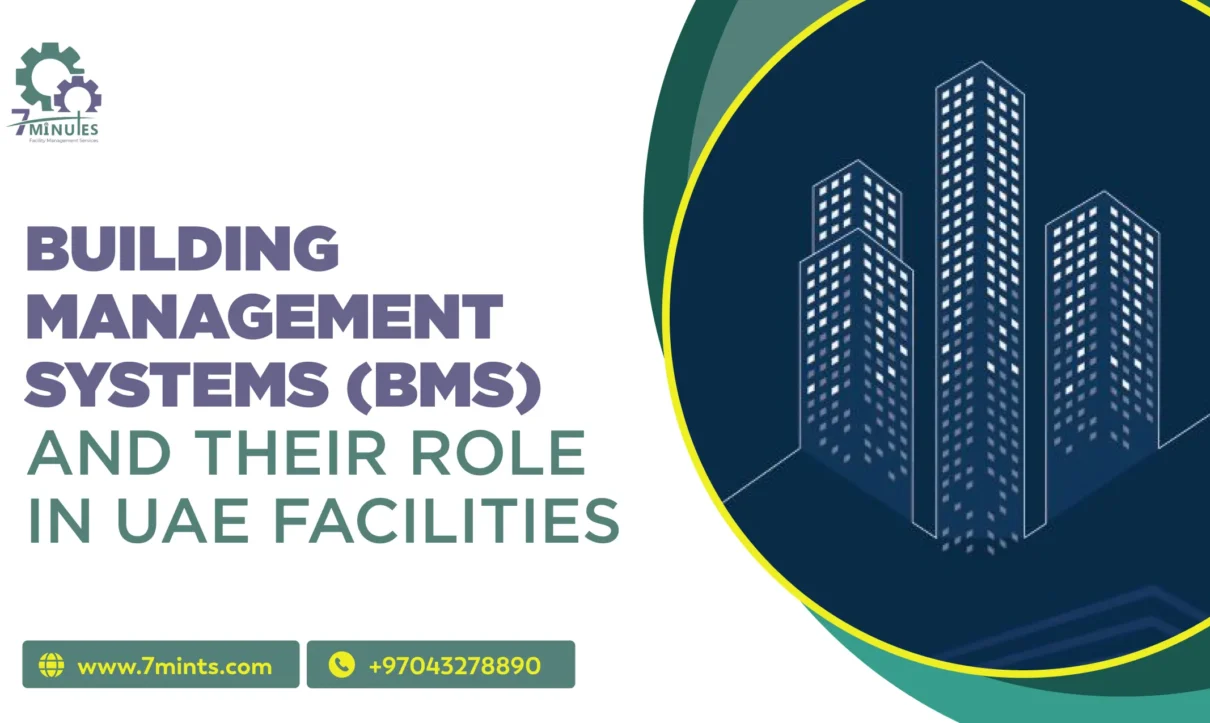
The UAE is home to some of the world’s most advanced commercial towers, residential communities, hotels, hospitals, airports, and shopping malls. Managing these large and complex facilities cannot rely on manual inspections alone. Property owners and facility managers need technology that continuously monitors building operations while improving comfort, safety, energy efficiency, and cost control.
This is where building management systems in UAE have become an important part of modern facility operations. A building management system (BMS) provides centralized monitoring and control of essential building services, including HVAC, lighting, energy consumption, security, fire safety, and other connected systems.
As the UAE continues to develop smart buildings and sustainable infrastructure, advanced building management solutions UAE providers can help organizations operate facilities more efficiently, reduce energy waste, and improve asset performance.
What Is a Building Management System?
A building management system is a computer-based platform that connects and monitors different building services through a centralized interface. Sensors installed throughout a facility collect information about temperature, humidity, occupancy, equipment performance, energy consumption, and other operating conditions.
Facility managers can use this information to monitor performance, identify abnormal conditions, and adjust systems when required.
A modern building management system can integrate several building functions, including:
- HVAC systems
- Lighting controls
- Energy monitoring
- Security systems
- Access control
- Fire and life-safety monitoring
- Equipment performance
- Building automation
- Utility monitoring
The objective of building management is to improve the overall performance of a facility while reducing unnecessary energy consumption, maintenance costs, and operational risks.
Instead of managing every system separately, facility teams can monitor multiple services from a centralized platform. This improves visibility, supports faster decision-making, and can help identify potential problems before they become major operational failures.
Why Building Management Systems Are Important in the UAE
The UAE’s climate creates significant cooling requirements for commercial and residential properties. Air conditioning can represent a substantial portion of building energy consumption, making efficient HVAC management particularly important.
Advanced building management systems in UAE can continuously monitor indoor conditions and adjust HVAC operations according to occupancy, temperature, schedules, and other operating conditions.
This can help facilities maintain occupant comfort while avoiding unnecessary cooling and energy consumption.
Many UAE facilities also operate continuously, including:
- Hospitals
- Hotels
- Airports
- Shopping malls
- Data centers
- Commercial towers
- Residential communities
Unexpected equipment failures in these facilities can disrupt operations and create significant costs. Effective building management provides continuous monitoring and alerts that can help maintenance teams identify potential issues earlier.
Check out our latest blog post on How Data Analytics Improves Facility Management Decisions
Key Functions of a Building Management System
1. HVAC Monitoring and Control
HVAC systems are among the most important systems within UAE buildings. A BMS can monitor temperature, humidity, airflow, equipment status, and operating schedules.
The system can automatically adjust cooling and ventilation according to occupancy and environmental conditions. This helps maintain a comfortable indoor environment while supporting energy efficiency.
HVAC Optimization Through Building Management
UAE summers can place significant demand on cooling equipment. Poorly managed HVAC systems may consume unnecessary electricity and experience increased wear.
A building management system can help optimize equipment operation by monitoring performance and identifying abnormal conditions. This may also support preventive maintenance and help extend the useful life of HVAC assets.
2. Lighting Management
Lighting is another important component of modern building management systems in UAE.
A centralized BMS can control lighting schedules across different areas of a facility. Lights can be switched on or off according to occupancy, time schedules, or predefined operating conditions.
Modern systems can also respond to available daylight. When sufficient natural light is available, artificial lighting can be reduced automatically.
This approach can lower unnecessary electricity consumption while maintaining suitable lighting conditions for occupants.
3. Energy Monitoring and Management
Energy monitoring is one of the most valuable functions of a building management system. The platform can collect data related to electricity, water, HVAC consumption, and other utilities.
Facility managers can analyze this information to identify areas where resources are being overused.
Energy reports can reveal consumption patterns and help managers identify opportunities for improvement.
This makes building management more data-driven because facility teams can make decisions based on actual operational information rather than relying entirely on manual observations.
For large UAE facilities, this visibility can be particularly useful because energy demand can change significantly depending on occupancy, weather, and operating schedules.
4. Security System Integration
A BMS can integrate different security systems into a centralized monitoring environment.
These may include:
- CCTV systems
- Access control
- Intrusion detection
- Visitor management
- Security alarms
When security events occur, alerts can be delivered to responsible personnel. Faster notification can support quicker responses and improve overall facility security.
Integrated building management solutions UAE can therefore improve coordination between building operations and security teams.
5. Fire and Life-Safety Monitoring
Fire safety is a critical requirement for buildings across the UAE. A BMS may monitor selected fire and life-safety systems and provide centralized status information.
Depending on the system design and applicable regulations, monitoring may include:
- Fire alarms
- Smoke detection
- Emergency systems
- Sprinkler-related equipment
- Emergency ventilation controls
- Evacuation-related systems
Emergency Response
During an emergency, integrated building automation can support predefined responses, such as shutting down selected ventilation equipment or activating appropriate alarms.
However, BMS integration should complement—not replace—dedicated fire and life-safety systems and their required controls.
Benefits of Building Management Systems in UAE Facilities
1. Improved Energy Efficiency
One of the major advantages of building management systems in UAE is improved energy management.
A BMS continuously monitors equipment and building conditions and can automate selected controls to reduce unnecessary energy consumption.
For UAE facilities with high cooling requirements, efficient HVAC management can make a significant difference to operational performance.
2. Reduced Operational Costs
A building management system can help reduce operating costs by improving equipment performance and identifying potential failures earlier.
Continuous monitoring allows maintenance teams to respond to abnormal conditions before they develop into major breakdowns.
Automation can also reduce repetitive manual monitoring tasks, allowing facility teams to focus on maintenance, safety, and higher-priority activities.
3. Improved Occupant Comfort
Comfort is important in offices, hotels, hospitals, schools, shopping centers, and residential communities.
A BMS can monitor indoor temperature, ventilation, humidity, and lighting conditions and support automated adjustments.
This can provide more consistent indoor conditions and improve the overall experience of occupants.
Effective building management therefore contributes not only to energy performance but also to occupant satisfaction.
4. Better Maintenance Management
Traditional maintenance often relies on fixed schedules or reactive repairs. Modern BMS platforms can provide continuous equipment information that supports more proactive maintenance strategies.
When equipment performance begins to change, alerts can help maintenance teams investigate the issue before a complete failure occurs.
This approach can reduce unexpected downtime and help organizations manage maintenance resources more effectively.
Advanced building management solutions UAE can therefore contribute to better asset management and longer equipment service life.
5. Support for Sustainability
Sustainability has become increasingly important for organizations operating buildings in the UAE.
A building management system can help reduce unnecessary energy consumption, improve resource utilization, and provide data for monitoring environmental performance.
Building owners can use operational data to identify energy-saving opportunities and support their sustainability objectives.
Building Management Systems in Dubai and Abu Dhabi
The adoption of smart-building technology is particularly relevant in major UAE business and development hubs.
Building Management Systems Abu Dhabi
Large commercial developments, government facilities, healthcare properties, hotels, and residential communities can benefit from centralized building automation.
Building management systems Abu Dhabi solutions can help facility teams monitor HVAC, lighting, energy consumption, security, and other connected services from centralized platforms.
For large facilities, this centralized approach can improve operational visibility and simplify the coordination of maintenance activities.
Building Management Systems Across the UAE
The demand for building management systems in UAE continues to align with the country’s broader focus on smart infrastructure, energy efficiency, and digital transformation.
From Dubai and Abu Dhabi to other rapidly developing areas, property owners increasingly require technology that can support efficient and reliable facility operations.
The Role of Building Management in Smart Buildings
The UAE continues to invest in smart-city and smart-building technologies. Smart buildings use connected technologies to improve efficiency, occupant experience, security, and operational performance.
A building management system can act as a central platform that connects multiple building services.
IoT Integration
Internet of Things (IoT) devices can provide real-time information from equipment and sensors throughout a building.
This data can then be used by BMS platforms to monitor operating conditions and support automated decisions.
Artificial Intelligence and Data Analytics
Modern building management solutions UAE are increasingly incorporating technologies such as artificial intelligence, machine learning, cloud platforms, and advanced data analytics.
These technologies can help identify patterns, detect anomalies, optimize energy use, and improve maintenance planning.
Challenges of Implementing a Building Management System
Although BMS technology provides significant advantages, organizations should consider several challenges before implementation.
1. Initial Investment
Installing a sophisticated BMS may require considerable investment in hardware, sensors, software, networking, integration, and professional installation.
However, organizations should evaluate the investment against potential long-term benefits such as energy savings, improved maintenance, and reduced downtime.
2. System Integration
Older buildings may contain equipment from different manufacturers or legacy systems that are difficult to integrate.
A detailed assessment of existing infrastructure is therefore important before implementing new building management systems in UAE.
3. Staff Training
Facility personnel need appropriate training to operate BMS platforms effectively.
Without proper training, organizations may not take full advantage of the system’s monitoring, automation, reporting, and maintenance capabilities.
4. Cybersecurity
Connected building systems can introduce cybersecurity considerations. As more equipment becomes connected to networks, organizations should implement appropriate security controls, access management, software updates, and monitoring.
Future of Building Management Systems in the UAE
The future of building management is increasingly connected to digitalization, automation, artificial intelligence, IoT, and data analytics.
Future BMS platforms are expected to provide deeper insights into:
- Energy consumption
- Equipment performance
- Maintenance requirements
- Occupancy patterns
- Indoor environmental conditions
- Operational efficiency
As smart infrastructure continues to expand, building management systems Abu Dhabi and other UAE markets are likely to become increasingly integrated with broader smart-building platforms.
The development of more advanced building management solutions UAE will also support organizations seeking greater efficiency, sustainability, automation, and operational control.
Conclusion
Building Management Systems (BMS) kind of changed the way facilities are handled all across the UAE. When you connect HVAC, lighting, energy management, security, and fire safety into one centralized platform, the whole operation runs more smoothly, and building performance gets a noticeable boost. Contact us as People often see better operational efficiency along with more predictable conditions, like comfort, and yes, even sustainability results. In the end, these benefits make BMS a pretty crucial investment for today’s modern facilities.
And since the UAE keeps moving forward toward smart cities and sustainable development, BMS is going to matter even more. Buildings that adopt intelligent building technologies now will be in a better position later, when new issues and chances show up. Putting money into a strong, robust BMS helps organizations reach long-term operational success while also delivering a strong overall experience for occupants and stakeholders.


1 Comment
Comments are closed.