

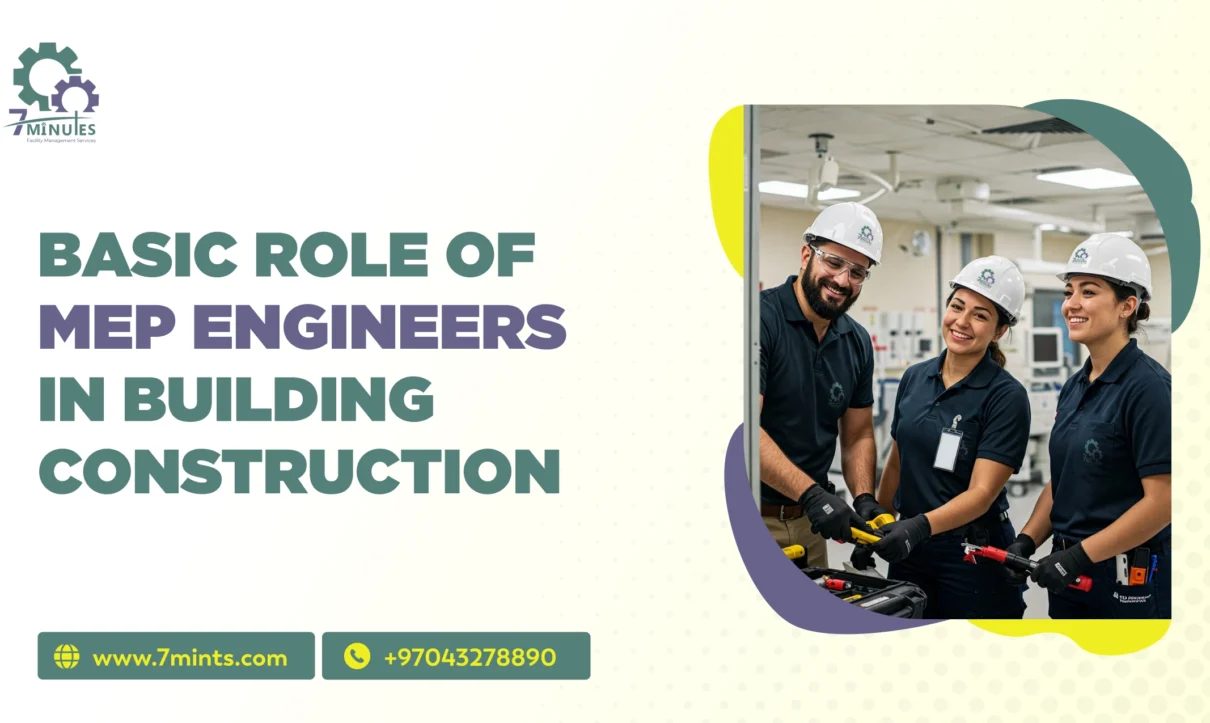
Modern buildings require more than strong foundations, walls, and attractive architectural designs. They also need efficient mechanical, electrical, and plumbing systems to ensure safety, comfort, functionality, and energy efficiency. This is where MEP engineers in building construction play an essential role. They are responsible for planning, designing, coordinating, and supervising the systems that make residential, commercial, and industrial buildings operational.
MEP stands for Mechanical, Electrical, and Plumbing. These three engineering disciplines work together to provide essential building services, including air conditioning, ventilation, lighting, power distribution, water supply, and drainage. Understanding the role of MEP engineers helps property developers, architects, contractors, and building owners appreciate how these professionals contribute to successful construction projects.
What Is MEP Engineering in Building Construction?
MEP engineering refers to the design, installation, and maintenance of mechanical, electrical, and plumbing systems within a building. These systems are essential for creating safe, comfortable, and functional environments.
Mechanical electrical and plumbing engineering combines three major disciplines:
- Mechanical Engineering: Focuses on heating, ventilation, air conditioning, and other mechanical systems.
- Electrical Engineering: Covers power distribution, lighting, electrical safety, and backup power systems.
- Plumbing Engineering: Handles water supply, drainage, wastewater management, and plumbing infrastructure.
Together, these disciplines form the foundation of modern MEP systems in construction. MEP engineers ensure that all systems operate efficiently while meeting project requirements, safety
standards, and applicable building regulations.
1. Mechanical Systems in Buildings
Mechanical engineering is one of the most important components of MEP engineering. It focuses on maintaining indoor comfort, air quality, and temperature control.
The main responsibilities of mechanical engineers include:
- Designing heating, ventilation, and air conditioning systems.
- Planning air distribution and ventilation networks.
- Selecting suitable mechanical equipment.
- Improving indoor air quality.
- Reducing energy consumption.
- Ensuring proper equipment installation and performance.
HVAC systems in construction are particularly important in regions with hot climates, such as Dubai and other UAE locations. Proper HVAC planning helps maintain comfortable indoor temperatures while supporting energy efficiency.
Mechanical engineers also ensure that equipment such as pumps, chillers, ventilation fans, and air handling units meets the building’s operational requirements.
2. Electrical Systems in Construction
Electrical systems provide the power required to operate lighting, machinery, elevators, air conditioning, security systems, and other building equipment.
engineers design and supervise electrical infrastructure to ensure reliable and safe power distribution.
Their responsibilities include:
- Designing electrical distribution systems.
- Planning lighting layouts.
- Selecting cables, transformers, and electrical panels.
- Installing backup generators and UPS systems.
- Designing emergency lighting and power systems.
- Ensuring electrical safety and regulatory compliance.
Properly designed electrical systems in construction help prevent electrical hazards, reduce energy wastage, and ensure uninterrupted building operations.
MEP engineers also coordinate electrical requirements with mechanical and plumbing systems to avoid conflicts during installation.
3. Plumbing Systems in Buildings
Plumbing engineering focuses on the movement, distribution, and management of water within a building. It ensures that occupants have access to clean water and that wastewater is safely removed.
Key plumbing engineering responsibilities include:
- Designing water supply networks.
- Planning drainage and sewage systems.
- Installing water storage tanks and pumps.
- Designing hot and cold water distribution.
- Planning rainwater drainage systems.
- Ensuring proper sanitation and water efficiency.
Well-designed plumbing systems in buildings are essential for maintaining hygiene, preventing water leakage, and supporting the daily activities of occupants.
Plumbing engineers also coordinate with mechanical and electrical teams to ensure that pumps, water heaters, and other equipment are properly connected.
4. MEP Planning and Design
Effective MEP planning and design begins during the early stages of a construction project. Engineers work alongside architects, structural engineers, and construction professionals to develop detailed system layouts.
This stage involves understanding the building’s purpose, occupancy requirements, available space, budget, and technical specifications.
MEP engineers prepare drawings, equipment schedules, technical specifications, and system calculations. They also consider energy efficiency, accessibility, maintenance requirements, and future building operations.
Accurate MEP building design helps identify potential problems before construction begins. It also reduces unnecessary modifications, material wastage, and project delays.
5. MEP Design and Installation
Once the design is approved, the project moves towards the installation stage. MEP design and installation require close coordination between engineers, contractors, technicians, and construction teams.
During this stage, MEP engineers:
- Review approved engineering drawings.
- Supervise mechanical equipment installation.
- Monitor electrical wiring and distribution systems.
- Inspect plumbing and drainage installations.
- Verify equipment specifications and material quality.
- Conduct system testing and commissioning.
Proper installation ensures that every component performs according to the approved design. Engineers also inspect completed work to identify installation errors and ensure compliance with applicable technical standards.
6. Importance of MEP Coordination in Construction
One of the biggest challenges in building construction is ensuring that mechanical, electrical, and plumbing systems fit within the available building space.
For example, HVAC ducts, electrical cable trays, plumbing pipes, and fire protection systems may need to pass through the same ceiling or service areas.
MEP coordination in construction helps prevent clashes between these systems and other structural or architectural elements.
Engineers use coordination drawings and Building Information Modelling (BIM) to identify potential conflicts before installation.
Effective coordination provides several benefits:
- Reduces installation errors.
- Prevents design clashes.
- Improves construction efficiency.
- Minimises rework and additional costs.
- Supports better communication between project teams.
Professional MEP coordination services Dubai are particularly valuable for large residential, commercial, hospitality, and industrial developments where multiple building systems must work together.
7. MEP Project Management
Successful construction requires proper planning, resource allocation, scheduling, and quality control. MEP project management ensures that mechanical, electrical, and plumbing activities are completed according to project timelines and technical requirements.
MEP project managers coordinate with contractors, suppliers, consultants, and site engineers throughout the construction process.
Their responsibilities include monitoring installation progress, managing project budgets, checking material procurement, resolving technical issues, and maintaining quality standards.
They also ensure that all MEP activities are aligned with the overall construction schedule.
Effective project management helps improve productivity, reduce unexpected expenses, and deliver projects on time.
8. Key Responsibilities of MEP Engineers
The MEP engineers responsibilities extend across the entire building lifecycle, from initial planning to final commissioning.
Some of their major responsibilities include:
-
Preparing mechanical, electrical, and plumbing designs.
-
Reviewing architectural and structural drawings.
-
Selecting suitable equipment and materials.
-
Coordinating with contractors and consultants.
-
Supervising installation activities.
-
Monitoring construction quality and safety.
-
Identifying and resolving technical issues.
-
Conducting testing and commissioning.
-
Ensuring compliance with applicable building regulations.
-
Supporting maintenance and operational requirements.
These responsibilities make MEP engineers important members of any construction project team.
9. The MEP Construction Process
The MEP construction process generally involves several stages to ensure that building systems are designed and installed correctly.
Stage 1: Initial Planning
Engineers understand the building requirements, project scope, technical specifications, and budget.
Stage 2: Design Development
Mechanical, electrical, and plumbing layouts are prepared based on architectural and structural drawings.
Stage 3: Coordination
All MEP systems are reviewed to identify design conflicts and ensure proper space allocation.
Stage 4: Installation
Contractors install HVAC equipment, electrical infrastructure, water supply networks, drainage systems, and other building services.
Stage 5: Testing and Commissioning
Engineers test the installed systems to verify their performance, safety, and functionality.
Stage 6: Handover
After successful inspections and testing, the systems are documented and handed over to the building owner or facility management team.
10. Choosing Professional MEP Contractors in Dubai
Dubai’s construction industry includes residential towers, shopping malls, hotels, hospitals, offices, and industrial developments. These projects require reliable engineering solutions and properly coordinated building services.
Choosing experienced MEP contractors in Dubai helps developers ensure that their mechanical, electrical, and plumbing systems meet project specifications and relevant local regulations.
When selecting an MEP contractor, consider:
- Relevant industry experience and completed projects.
- Technical expertise and qualified engineers.
- Knowledge of UAE building requirements.
- BIM and MEP coordination capabilities.
- Quality assurance and safety procedures.
- Installation, testing, and maintenance support.
Professional building MEP services help ensure that all essential systems operate efficiently and support long-term building performance.
Conclusion
The importance of MEP engineering in construction goes beyond installing air conditioning, electrical wiring, and plumbing networks. MEP engineers ensure that every essential building system is properly designed, coordinated, installed, and tested.
From initial planning and design to installation, project management, and commissioning, their expertise contributes to building safety, energy efficiency, operational reliability, and occupant comfort.
Whether it is a residential property, commercial tower, hotel, or industrial facility, professional MEP engineering services are essential for successful construction. Investing in experienced MEP professionals and proper system coordination helps developers reduce construction challenges, control costs, and create buildings that perform efficiently over the long term.





1 Comment
Comments are closed.