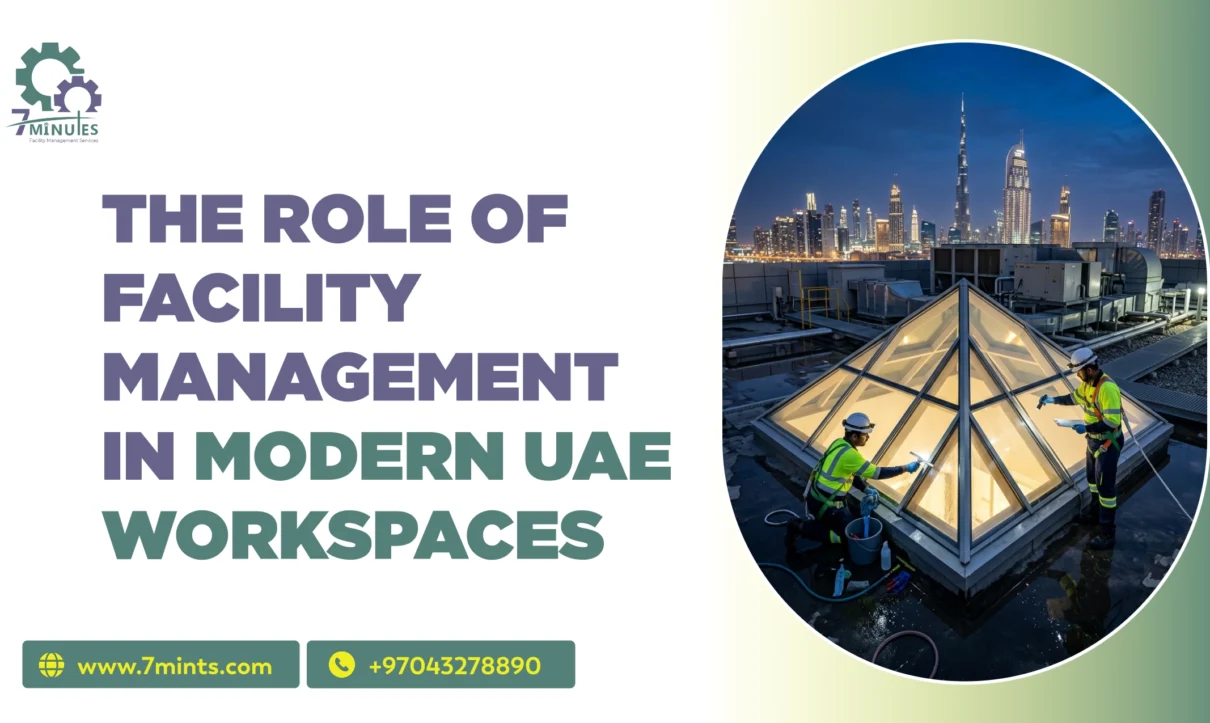
The modern workplace across the UAE is changing quite quickly. Companies are leaning into digital transformation, hybrid work styles, sustainability plans, and smart tech so that spaces feel more productive and efficient. And as this shift keeps moving, Facility Management in the UAE seems a lot more important than before. In fact, facility management is not just about upkeep or cleaning routines. It’s also starting to act like a strategic function that supports employee productivity, workplace safety, and even sustainability targets. Plus, it helps organizations run their daily operations more smoothly, without so much friction.
From the corporate offices in Dubai to the larger commercial buildings in Abu Dhabi, more and more businesses are putting money into Integrated Facility Management UAE solutions. The goal is to build modern work environments that actually back business growth. In this piece, we’ll take a look at the expanding role of facility management in modern UAE workspaces and how it supports broader organizational success.
Understanding Modern Facility Management
Modern workplace facility management is basically about steering people, places, procedures, and technology so the work environment stays reliable and effective. The scope can feel wide, from maintenance management and security management to space management, cleaning services, energy management, and asset management.
Today, facility managers are using advanced tools and data-based approaches to strengthen overall workplace results. With smart systems, automation tools, and digital platforms being plugged in more often, the whole field has moved beyond traditional methods. This is why many call it Smart Facility Management, since organizations can make better decisions and refine the day-to-day workplace experience.
1. Enhancing Employee Productivity
One of the primary objectives of facility management services in the UAE is to create an environment where employees can perform at their best, you know. properly. A well-maintained and comfortable workspace has a direct effect on employee satisfaction, engagement, and productivity, too.
When lighting is correct, HVAC is running efficiently, work areas are clean, and office layouts are genuinely comfortable, employees tend to stay more focused throughout the day. By keeping workplace conditions at a good level, organizations can enhance Employee Productivity and overall business performance significantly.
Also, modern facility management is leaning more toward employee well-being. This means building healthier work environments by improving air quality, setting up ergonomic workspaces, and adding wellness-oriented facilities that people actually use.
2. Supporting Workplace Safety and Compliance
Workplace Safety remains a top priority for organizations across the UAE. Businesses have to follow health, safety, and environmental regulations to protect employees and visitors, without exception.
Facility management teams deal with a whole bunch of stuff, like rolling out safety protocols, doing routine inspections, and managing emergency response plans—plus, somehow, they also make sure it stays aligned with local regulations. They sort of keep track of fire safety systems, security infrastructure, and even the day-to-day building operations, all so potential risks don’t quietly build up, and there aren’t any surprise incidents.
By sticking to tight safety standards, facility management supports organizations with safer work environments while also keeping accidents down and reducing those unexpected operational disruptions. And yeah, effective safety management gives employees more confidence, too; it can encourage a healthier workplace culture and make everything feel more stable
Check out our latest blog post on: Why Indian Workers Are in Demand in UAE Facility Management
3. Driving sustainability in UAE workspaces
Sustainability is now a big priority for many businesses across the UAE. Organizations are pushing toward environmental objectives and trying to reduce operational costs at the same time. That’s where Sustainable Facility Management really matters; it supports those broader plans.
Facility managers usually implement strategies that lower energy use, improve how resources are actually utilized, and reduce environmental impact. That may include installing energy-efficient lighting, tweaking HVAC performance, running waste management programs, and setting up water conservation measures, so it all adds up in the end.
Lots of organizations are also putting money into Green Building Management UAE practices, mainly to match sustainability requirements and ESG objectives. When businesses go for environmentally responsible operations, they often reduce costs, boost corporate reputation, and also align with national sustainability goals.
4. Leveraging smart facility management technologies
Technology is transforming how today’s workplaces run their facilities. Smart facility management uses advanced tools like Internet of Things, or IoT, sensors; building automation systems; artificial intelligence; and cloud-based platforms to optimize day-to-day operations, even though teams still need solid oversight.
Smart workplace solutions give real-time visibility into building operations so facility managers can actually see energy usage, occupancy levels, equipment performance, and environmental conditions without the endless guessing. With these tools, organizations can make proactive decisions and, in a smoother kind of way, often improve day-to-day operational efficiency; it just feels more controlled.
The adoption of Digital Transformation in Facility Management helps businesses streamline processes, reduce repetitive manual work, and upgrade workplace experiences through automation and intelligent building systems. It’s a practical shift, not just a buzz phrase, honestly.
5. The Growing Impact of AI in Facility Management
Artificial intelligence is becoming a big part of modern facility operations. AI in Facility Management helps organizations sift through large volumes of operational data and discover patterns, so decisions seem more grounded and more timely.
AI-powered systems can forecast maintenance needs, keep an eye on equipment health, and balance or even fine-tune resource allocation. This more anticipatory approach can reduce downtime, stretch asset life, and improve service delivery, especially when the workload suddenly spikes.
And as more UAE businesses adopt smart buildings and digital workplaces, AI technologies will keep influencing the future of facility management, one way or another.
6. Predictive Maintenance and Asset Management
Traditional maintenance usually leans on scheduled inspections or reactive repairs after something has already gone wrong. But now more organizations are using Predictive Maintenance UAE strategies to improve efficiency and lower operational costs overall.
Predictive maintenance uses data analytics and smart sensors in order to spot potential equipment problems before the failure happens. In other words, it helps facility managers catch issues early, so costly breakdowns get avoided, and workplace disruptions stay low.
Effective asset management also makes sure that building systems, equipment, and infrastructure remain in good, steady condition throughout their whole lifecycle. This kind of strategy improves operational dependability, and it tends to maximize the return on investment for organizations, even when things get complicated later.
7. Optimizing space management in hybrid work environments
Hybrid work models basically changed the way organizations use office space. Now businesses want flexible work areas that can handle different occupancy levels and different employee needs.
To do that, facility management teams use advanced occupancy management and space management solutions; they try to tune workplace layouts and make sure resources are used well. These tools also deliver useful signals about workspace usage patterns, and they help organizations decide on office design and capacity planning without guessing too much.
Good space management helps cut operational costs. It also tends to support collaboration, strengthen employee experience, and give more workplace flexibility overall.
8. Improving workplace experience management
Modern companies realize employee experience influences retention, productivity, and the overall performance of the organization. Because of that, workplace experience management has become a big part of facility management.
Facility managers kind of focus on setting up spaces that really help with employee well-being, teamwork, and feeling engaged. Basically, it’s about keeping the facilities in good shape, making sure the work areas are comfortable, and that the tech side stays reliable. On top of that, you add a few amenities that make the whole workplace experience feel smoother and more usable.
When organizations prioritize what people actually need, they often see a better work culture, and yes, workforce satisfaction tends to rise, too.
9. Integrated Facility Management: A Strategic Business Solution
A lot of companies are now leaning toward Integrated Facility Management UAE solutions, mostly to sort out daily operations and push service quality higher. Integrated facility management usually brings several services together under one provider, so the approach stays coordinated and more aligned with the workplace goals.
This umbrella often covers things like building maintenance, security, cleaning, energy management, landscaping, and various support services. When facility operations are consolidated like this, businesses can gain more speed, reduce the admin mess, and also get better cost management in the long run.
There’s also the added value that integrated solutions help keep service standards steadier, while organizations can still concentrate on their main business priorities instead of getting pulled into constant operational firefighting.
10. The Future of Facility Management in the UAE
The future of Facility Management in the UAE is probably going to be driven by innovation, sustainability, and ongoing technological development. Smart buildings, AI-guided operations, predictive maintenance, and digital workplace solutions will keep changing how facilities are run day to day.
As businesses chase more operational efficiency, along with a stronger employee experience, facility management will act more like a strategic function rather than just a behind-the-scenes service. Companies that invest in modern facility management practices will usually be in a better position to adapt when workplace expectations shift and to support long-term growth too.
Conclusion
The role of facility management in modern UAE workspaces goes way past the usual maintenance side of things. Lately, Facility Management Services in the UAE help directly with employee productivity, workplace safety, sustainability, smoother daily operations, and business continuity, too.
With smart facility management, plus digital transformation within facility management, predictive maintenance in the UAE, and integrated facility management in the UAE, companies can build spaces that are efficient, secure, and kind of future-ready. Contact us as since the UAE keeps pushing innovation and sustainable development; facility management will stay a major force behind workplace excellence and overall business success. And for businesses that want to really move ahead in the modern workplace, it helps to see facility management as a strategic investment, not just another operational requirement.